
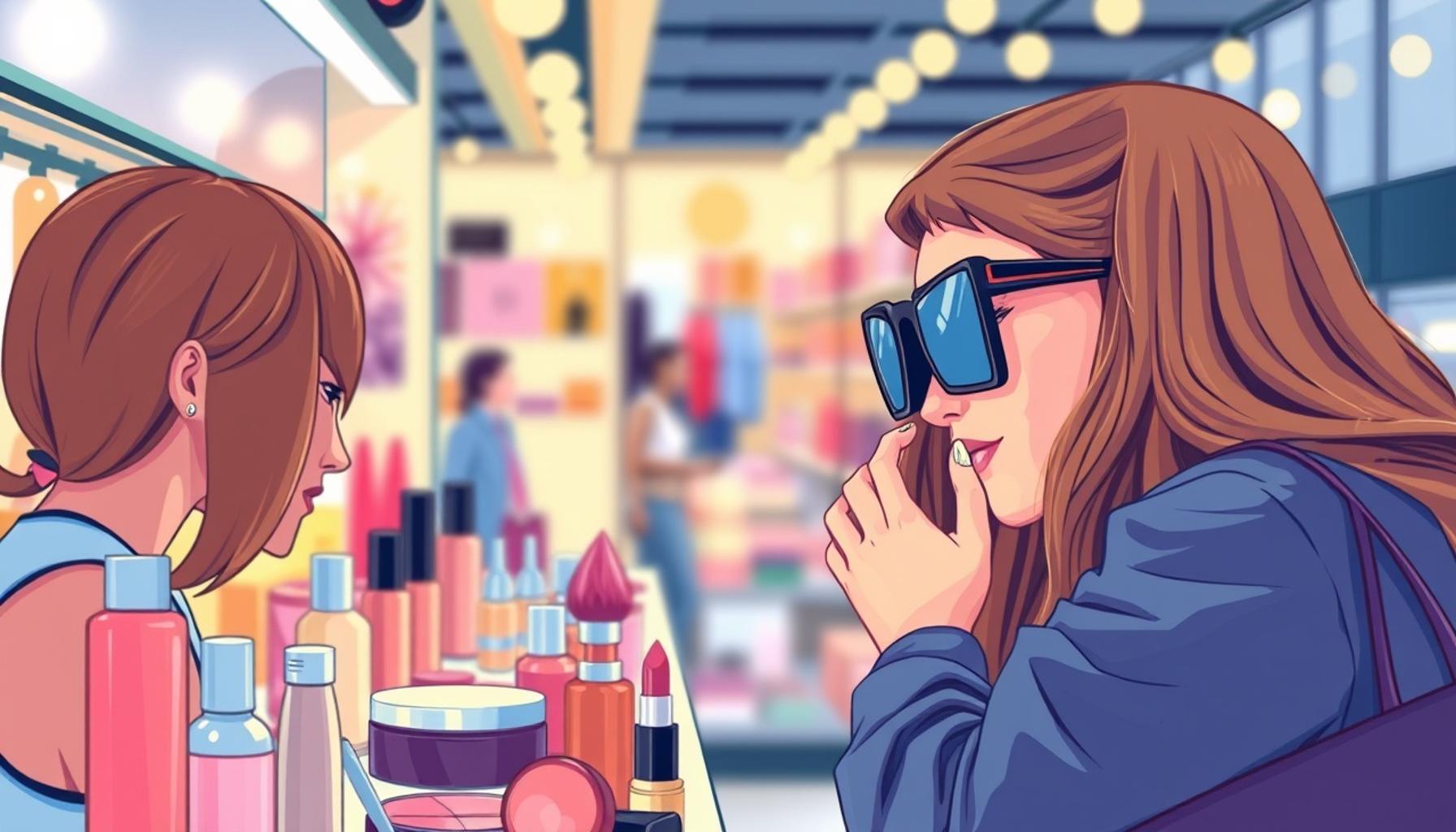
Transforming the Beauty Industry
In recent years, the beauty industry has experienced a revolutionary shift, largely driven by augmented reality (AR). As technology advances, shoppers are finding innovative ways to enhance their makeup shopping experiences. This blend of the physical and digital worlds not only captivates consumers but also empowers them to make more informed purchasing decisions.
Engagement Through Technology
Augmented reality offers several compelling features that transform traditional makeup shopping. One of the most popular applications is the virtual try-on feature, which allows customers to experiment with various products through their smartphones or in-store displays. Brands like L’Oréal and Sephora have pioneered this technology, enabling users to visualize how lipsticks or foundation shades look on their actual skin tones, thus eliminating the need for testers and minimizing hygiene concerns.
- Virtual Try-Ons: Customers can try on various products through their smartphones or in-store displays, allowing them to visualize different looks before making a purchase. This convenience is particularly appealing during pandemic times, where physical testing could be risky.
- Personalized Recommendations: Advanced algorithms analyze skin tones and facial features to suggest the best shades for each user. For example, brands like Ulta leverage facial analysis to provide personalized product recommendations, enhancing the overall shopping experience.
- Enhanced Shopping Experiences: Interactive elements, such as tutorials and product information, provide a richer context for consumers. Many beauty retailers now incorporate AR tutorials that guide users on application techniques, ensuring that shoppers feel equipped and knowledgeable.
Changing Consumer Behavior
The impact of augmented reality on makeup shopping goes beyond mere convenience. It reshapes how consumers interact with brands and make choices. By integrating AR into the shopping experience, brands are tapping into a more engaged and informed customer base.
- Increased Confidence: Virtual try-ons help reduce the anxiety of selecting the wrong shades, empowering customers to make more confident choices. This can lead to higher customer satisfaction, as individuals can directly see how colors perform on their skin.
- Boosted Sales: Brands utilizing AR technology often report higher conversion rates. According to a study by Deloitte, businesses that incorporate AR in their marketing strategy can witness a revenue increase of up to 40%, showcasing how effective this technology can be.
- Social Sharing: The shareability of virtual looks is another significant aspect, as consumers are encouraged to share their digital makeovers on social media platforms like Instagram and TikTok. This not only amplifies brand visibility but also compels potential customers to engage with the brand.
As the integration of AR in makeup shopping continues to evolve, it invites further exploration into its lasting effects on consumer behavior and brand loyalty. With the growing popularity of online shopping, especially among younger generations, augmented reality may very well become a standard feature in beauty retail, ultimately transforming how consumers perceive and approach beauty products. The future of the beauty industry is not just in enhancing appearances but in creating immersive and personalized experiences that resonate deeply with consumers.
DISCOVER MORE: Click here for essential tips
Innovative Features Reshaping the Beauty Landscape
The integration of augmented reality into makeup shopping has unleashed a wave of innovative features that significantly alter consumer experiences. Central to this transformation are the interactive tools that allow users to engage with products in ways that were previously unimaginable. For instance, the virtual try-on technology, which uses facial recognition algorithms to map users’ facial features, enables customers to visualize how products will look before they ever make a purchase. This feature not only guarantees personalization but also aligns with the shift towards self-expression in the beauty industry.
Leading Brands Leveraging AR Technology
Major beauty brands are quickly recognizing the potential of augmented reality, transforming them from mere retailers into tech-savvy innovators. Brands such as Estée Lauder, Maybelline, and L’Oréal have adopted AR applications that allow users to experiment with an array of colors, effects, and finishes right from their devices. This has been especially pivotal in post-pandemic shopping environments where hygiene has become a pressing concern. By allowing customers to virtually test products, brands significantly reduce the risks associated with traditional testers, which often suffer from misuse and contamination.
- In-Store Experiences: Utilizing AR displays in physical locations enhances the shopping experience by allowing customers to observe different makeup looks in real-time. This creates a more engaging environment and enables shoppers to connect with the brand in a more meaningful way.
- Convenience and Accessibility: With AR, consumers can try products from the comfort of their homes, eliminating the need for trips to crowded stores. This level of convenience is particularly appealing to busy consumers who value efficiency.
- Gamification: Many brands have also incorporated gamified elements, turning the shopping process into a fun and interactive experience. Shoppers can unlock deals or bonuses after engaging with virtual try-ons, forging a deeper connection with the brand.
A Deeper Dive into Consumer Engagement
Augmented reality extends beyond simple interaction; it deepens the relationship between consumers and brands. By incorporating personalized recommendations based on individual features, AR allows users to feel valued and understood. Advanced algorithms can analyze skin tones, types, and even facial shapes to suggest the best products tailored for each shopper. This level of personalization not only improves customer satisfaction but also builds long-term brand loyalty.
Moreover, AR impacts how consumers approach their buying decisions. The ability to visualize products virtually before purchasing fosters an informed consumer base, leading to reduced returns and heightened brand trust. A survey indicated that over 70% of shoppers stated they are likely to return to a brand that offers a virtual try-on experience, underscoring the effectiveness of this technology in cultivating customer retention.
As more brands grasp the dynamics of augmented reality, the beauty landscape is poised for continual evolution. Consumers are not just passive participants in the shopping process anymore; they are empowered, informed, and equipped to make choices that reflect their personal beauty journeys.
The Transformative Power of Augmented Reality in Makeup Shopping
The integration of augmented reality (AR) into the makeup shopping experience has revolutionized how consumers engage with beauty products. By allowing shoppers to visualize how different products look on their own skin, AR solutions are transforming the traditional marketplace into a highly interactive environment. This technology eliminates the uncertainty consumers often face when purchasing makeup online or in stores.
Enhanced Personalization
One of the significant advantages of AR is its ability to offer personalized shopping experiences. Users can virtually try on a variety of shades and styles, ensuring they select the product that best matches their preferences and skin tones. This level of customization not only enhances consumer satisfaction but also increases the likelihood of purchase, as shoppers feel more confident in their choices.
Increased Engagement
Furthermore, augmented reality increases consumer engagement by making makeup shopping feel more like a game than a chore. Brands like L’Oréal Paris and Sephora have successfully implemented AR applications that encourage interaction, enabling customers to experiment with futuristic makeup trends without the need for traditional testers. This interactive environment keeps customers engaged for longer periods, leading to increased brand loyalty and repeat purchases.
Educational Opportunities
In addition to improving the shopping experience, AR can serve as an educational tool. Shoppers can receive tutorials and tips through AR features, helping them to not only choose products but also learn how to apply them effectively. Brands that integrate educational components into their AR applications foster a deeper connection with consumers, positioning themselves as experts in the field.
Cost-Effective Marketing
Lastly, augmented reality provides makeup brands with a cost-effective marketing strategy. With the ability to reach a global audience through apps and social media filters, companies can amplify their brand presence without the heavy financial burden of traditional advertising. By leveraging AR, brands can create viral experiences that resonate with targeted demographics, leading to increased visibility and sales.
| Category | Description |
|---|---|
| Enhanced Personalization | Allows users to virtually try on products, increasing confidence in their choices. |
| Increased Engagement | Transforms shopping into an interactive experience, leading to longer engagement. |
| Educational Opportunities | Provides tutorials and application tips through AR, enhancing user skills. |
| Cost-Effective Marketing | Offers brands a budget-friendly way to reach global audiences through AR experiences. |
While exploring the impact of augmented reality on makeup shopping experiences, it becomes evident that this technology not only enhances consumer satisfaction but also fosters long-term relationships between consumers and brands, paving the way for a new era in e-commerce.
DISCOVER MORE: Click here to learn how stress impacts your skin
Shaping the Future of Consumer Behavior
As augmented reality continues to establish its presence in the makeup shopping experience, it’s also planting the seeds for a new wave of consumer behavior shifts. Retailers are no longer the sole gatekeepers of product information; instead, consumers are empowered with the capability to educate themselves extensively through AR applications. With instant access to product details, expert reviews, and real-time demonstrations, shoppers are becoming far more discerning. This new level of accessibility pushes brands to maintain high-quality standards and ensure transparency in their product offerings.
The Rise of Social Commerce
Another significant impact of AR in makeup shopping lies in its synergy with social media platforms. Applications like Instagram and Snapchat are incorporating AR features that allow users to apply virtual makeup filters. This not only enhances user engagement but also blurs the lines between traditional marketing and social sharing. When consumers post their AR-enhanced makeup looks online, they become informal brand ambassadors, naturally attracting attention from their social networks and creating a viral loop that benefits the brands featured.
Statistics reveal that video content on social media, particularly AR-enhanced, can lead to up to a 80% increase in engagement. This powerful connection emphasizes the role of influencers who leverage AR tools to showcase new product launches and makeup techniques, further influencing purchasing behavior. In essence, AR becomes a bridge between the online and offline retail worlds, inviting consumers to interact with brands in innovative and memorable ways.
Data-Driven Insights and Marketing Strategies
Incorporating AR into makeup shopping does not only enhance consumer experiences but also equips brands with invaluable data-driven insights. By analyzing user behavior patterns such as preferences, trial frequency, and time spent on virtual products, businesses can fine-tune their marketing strategies. Such analytics provide brands with the ability to personalize promotions, recommend complementary products, and segment audiences effectively—all of which contribute to increased sales.
The potential for retailers to utilize AR in gathering insights cannot be understated. For instance, understanding which shades users gravitate towards could inform seasonal color launches and product development. As AR technology evolves, these insights will further refine marketing tactics, enabling a more targeted approach and allowing brands to stay ahead of trends in the fast-paced beauty industry.
Sustainability and Ethical Considerations
As brands adopt AR technology, they are also faced with the opportunity to address sustainability and ethical considerations. The virtual testing capabilities significantly reduce the need for physical samples and product testers, thus lessening environmental impact and waste. This is particularly relevant in an era where consumers increasingly prioritize sustainability, prompting brands to seek eco-friendly solutions that resonate with their audience’s values.
Through AR, companies can not only spread awareness regarding their sustainability initiatives but can also engage consumers in conversations surrounding ethical sourcing and ingredients. This multifaceted approach further cements brand integrity and fosters a loyal customer base that aligns with those values.
Ultimately, the intersection of augmented reality and makeup shopping is not merely about enhancing the shopping cart; it is about redefining the entire engagement process. As consumers continue to embrace these innovative tools, brands will have to adapt and evolve to meet the changing landscape, setting the stage for a dazzling new chapter in the beauty industry.
DISCOVER MORE: Click here to learn about the importance of certifications in skincare
Conclusion: Embracing a New Era in Beauty Retail
As the integration of augmented reality (AR) into makeup shopping continues to burgeon, it is unmistakably transforming the beauty retail landscape. From empowering consumers to become well-informed decision-makers to fostering a new symbiosis with social media, AR is reshaping not only how products are tested and purchased but also how brands communicate their value propositions. By leveraging real-time experiences and tailored promotions, retailers enhance customer engagement, creating an immersive environment that captivates the modern shopper.
Moreover, the advent of AR has initiated a revolution in data-driven marketing strategies. With access to granular insights about consumer preferences and behaviors, brands can pivot swiftly to meet evolving demands, ensuring they remain competitive in an ever-changing market. As the demand for sustainability rises, AR also presents an opportunity for beauty brands to minimize waste, replacing traditional product sampling methods with virtual trials that resonate with environmentally-conscious consumers.
Looking ahead, the implications are profound. The potential of AR extends far beyond mere visualization; it represents a paradigm shift in consumer interactions with brands, encouraging deeper relationships rooted in trust and transparency. As both the technology and our understanding of consumer needs continually evolve, augmented reality will undoubtedly play a pivotal role in shaping the future of makeup shopping experiences.
Ultimately, embracing these advancements may well define the beauty industry’s next chapter, offering vast potential for brands and consumers alike. In a world driven by digital engagement, those who adapt to harness the power of augmented reality are not just participating in a trend—they are leading a revolution.