
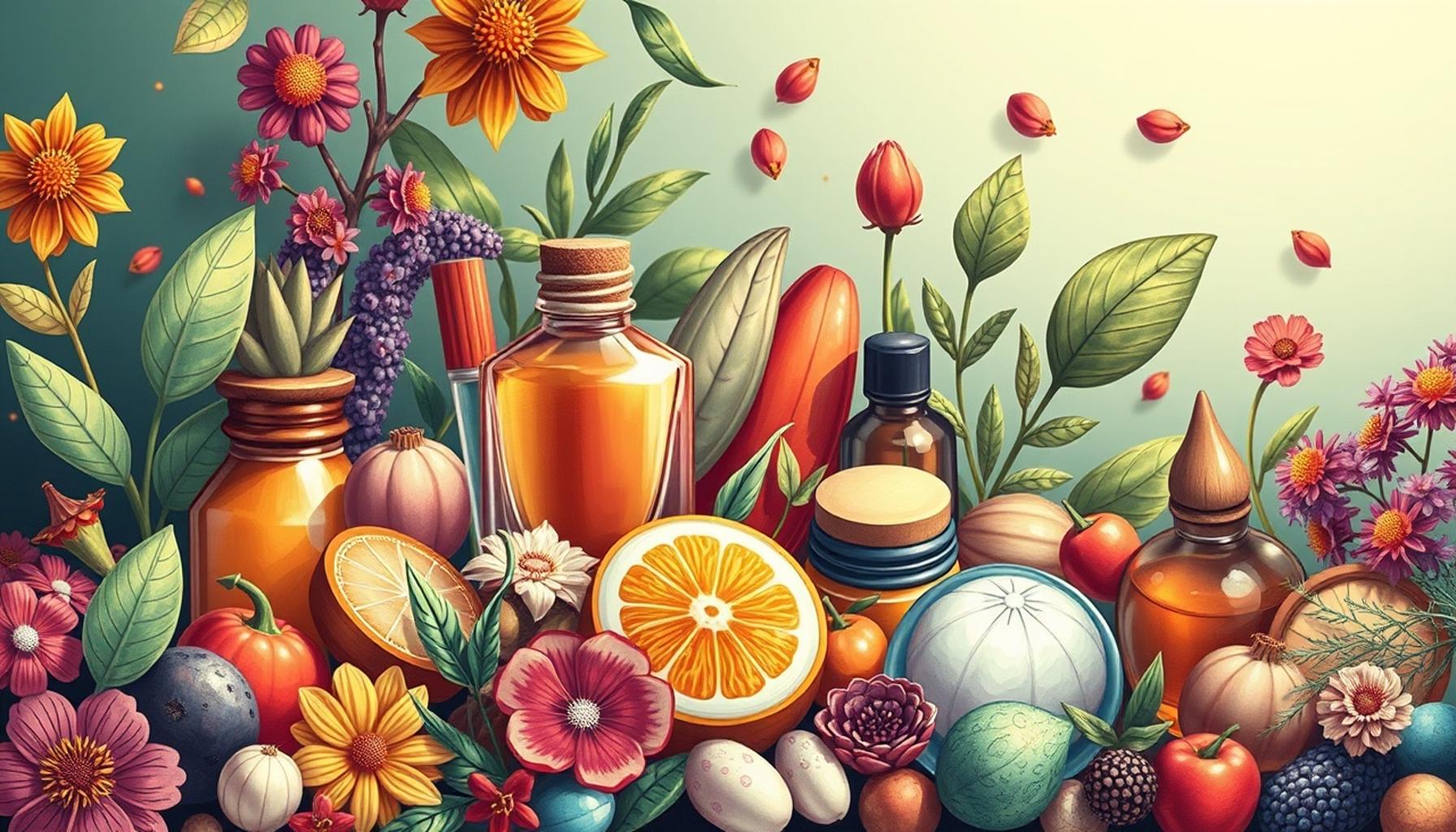
Transformation of the Beauty Industry
The beauty industry is currently navigating an unprecedented shift, driven by a heightened consumer interest in the purity and effectiveness of natural ingredients. This evolution is not merely a passing trend; it reflects a broader cultural movement centered on health, environmental sustainability, and ethical sourcing practices. As consumers become more knowledgeable and conscious of the products they use, they increasingly gravitate toward beauty solutions that are rooted in nature.
Key Drivers of Change
Several significant trends are propelling this revolution in beauty practices:
- Clean Beauty Movement: This trend has gained immense traction as consumers demand products free from harmful chemicals such as parabens, sulfates, and artificial fragrances. Many brands have responded by reformulating products to eliminate these ingredients, embracing a philosophy that emphasizes the safety and wellbeing of users.
- Sustainability Focus: Today’s consumer is increasingly motivated by environmental considerations. As a result, beauty brands are integrating eco-friendly packaging, such as biodegradable materials, and sourcing practices that prioritize renewable resources. A 2022 study by McKinsey found that 67% of consumers consider sustainability when making a purchase, underscoring the importance of this focus.
- Holistic Wellness: There is a growing recognition that beauty extends beyond physical appearance; it encompasses mental and emotional health as well. Brands are tapping into this connection by incorporating wellness principles into their marketing strategies and product formulations. For example, some skincare lines are introducing formulations infused with calming ingredients like lavender and chamomile designed to promote relaxation and wellbeing.
Benefits of Natural Ingredients
The shift towards natural ingredients is not just about ethical concerns; it also offers numerous tangible benefits for consumers:
- Skin Health: Products derived from natural sources typically contain fewer irritants and are rich in vitamins, antioxidants, and essential fatty acids that nourish and protect the skin. Ingredients like argan oil, shea butter, and aloe vera have shown effectiveness in promoting skin hydration and repairing damage.
- Environmental Impact: By choosing products with sustainable sourcing and biodegradable packaging, consumers significantly reduce their ecological footprints. Brands that engage in responsible sourcing practices help protect ecosystems and support local communities, amplifying the positive impact of consumer choices.
- Transparency: Modern consumers, especially millennials and Gen Z, demand transparency from brands regarding their ingredient lists and sourcing practices. This desire for clarity ensures that brands engage in ethical practices and fosters a sense of trust between consumers and companies. A report by Trendalytics revealed that 70% of beauty consumers are interested in brands that are open about their supply chains.
As this trend continues to gain momentum, the beauty market is becoming increasingly fertile ground for innovation and exploration. Consumers are not merely searching for effective beauty solutions; they are equally invested in the narratives surrounding the products they incorporate into their daily routines. This quest for authenticity encourages brands to share their stories, sparking further curiosity and engagement among consumers.
Overall, the transformation of the beauty industry underscores a fundamental change in consumer values, making it essential for brands to adapt and align with these evolving preferences. As the demand for natural beauty products rises, both established and emerging brands must be prepared to meet the new standards set by informed and conscientious consumers.
DISCOVER MORE: Click here to find out how product testing affects consumer choices
Embracing the Power of Nature
The shifting landscape of the beauty industry is marked not only by the emergence of natural ingredients but also by a fundamental reevaluation of what consumers expect from the products they choose. As science and nature intertwine in innovative ways, brands are positioning themselves to harness the intrinsic benefits of botanical extracts, minerals, and organic compounds. Such elements are not simply marketed as buzzwords; they represent an authentic connection to nature that discerning consumers are increasingly valuing.
Ingredients that Make a Difference
Understanding the specific benefits that natural ingredients offer can help consumers make informed choices. Here are some examples that highlight how these components are reshaping beauty formulations:
- Green Tea Extract: Renowned for its powerful antioxidant properties, green tea is often incorporated into skincare products to combat oxidative stress, helping to reduce signs of aging and promote a radiant complexion.
- Tea Tree Oil: Known for its antimicrobial and anti-inflammatory qualities, tea tree oil is a revered ingredient in acne treatments. This natural remedy offers an alternative to harsh chemicals, appealing to consumers seeking gentle yet effective solutions.
- Jojoba Oil: Closely resembling the natural oils produced by human skin, jojoba oil is favored for its moisturizing and soothing properties. It serves as an excellent emollient, making it particularly effective for all skin types, including oily and acne-prone skin.
- Hyaluronic Acid: Although it can be derived synthetically, many brands source hyaluronic acid from natural origins, promoting hydration and plumpness in the skin. Its humectant properties attract and retain moisture, making it a staple in hydrating serums.
The Impact of Ingredient Transparency
With an increasing demand for ingredient transparency, consumers want to know not only what is in their products but also where these ingredients come from. The notion of “clean beauty” emphasizes the integrity of formulations, discouraging the inclusion of potentially harmful additives. Brands that prioritize transparency are finding themselves rewarded with consumer loyalty and trust.
Recent studies highlight that about 83% of consumers are more likely to purchase from brands that are transparent about their ingredient sourcing and formulations. This propensity is further validated by the fact that millennials and Gen Z consumers are particularly skeptical of marketing tactics that make unverifiable claims. They are championing authenticity and pushing for brands to adopt ethical and sustainable practices actively.
The wave of consumers armed with knowledge is changing the dialogue within the beauty marketplace, prompting a greater focus on sustainability and ethical practices. Companies that align themselves with these values are not only thriving financially but also making a significant impact on the industry’s ecological footprint.
As the revolution of natural ingredients continues to gain momentum, beauty enthusiasts are urged to explore the diverse array of offerings available to them. This transformation not only rejuvenates personal care routines but also fosters a deeper connection to the world around us, inviting an exploration of how nature can be harnessed to fuel both beauty and wellbeing.
| Advantage | Description |
|---|---|
| Sustainability | Natural ingredients typically have a lower environmental impact than synthetic substances, promoting ecological balance. |
| Enhanced Skin Compatibility | Formulas derived from natural sources often contain fewer irritants, making them suitable for sensitive skin types. |
| Ethical Sourcing | The trend encourages brands to adopt ethical sourcing practices, ensuring fairness for communities involved in production. |
| Rich in Nutrients | Natural ingredients often boast vitamins, minerals, and antioxidants that benefit skin health and beauty. |
The beauty industry is witnessing a significant shift as more consumers demand products that align with their values and health-conscious choices. The emphasis on natural ingredients is not just a trend; it’s a movement towards enhancing our connection with the environment. Brands are reformulating their products to integrate plant-based compounds, resulting in products that are not only effective but also environmentally friendly.Moreover, industry experts highlight that the rising popularity of natural ingredients is linked to a growing awareness regarding toxic chemicals in beauty products. As consumers become increasingly informed, they gravitate towards products that promise transparency and integrity. With this transformation underway, the beauty landscape is pivoting towards formulations that celebrate nature’s bounty while ensuring safety and efficacy.With the right focus on these transformative aspects, beauty brands can tap into a wealth of opportunities, exploring innovative ways to incorporate natural ingredients into their offerings.
DIVE DEEPER: Click here to learn more
The Shift Toward Sustainability and Ethical Sourcing
The revolution of natural ingredients extends beyond just the formulations themselves; it embraces a broader ethos surrounding sustainability and ethical sourcing. In a marketplace increasingly aware of climate change and environmental issues, consumers are seeking products that reflect their values. This demand has driven brands to reassess their supply chains and production methods, opting for sustainable practices that minimize ecological impacts.
Brands Making a Difference
Several pioneering brands are setting the standard for sustainability in the beauty sector. For instance, Herbivore Botanicals, known for its effective use of natural ingredients, prioritizes vegan and cruelty-free practices in their product offerings. Their commitment to environmentally friendly packaging and responsible sourcing of raw materials resonates with environmentally conscious consumers looking for impactful change.
Additionally, companies like Lush lead the charge with their “naked” packaging—products sold without plastic packaging to reduce waste. This practice not only appeals to eco-minded consumers but also challenges the industry to rethink its reliance on disposable packaging.
The Rise of Biodegradable and Zero Waste Products
The trend toward biodegradable and zero waste beauty products is in part fueled by increasing consumer awareness of plastic pollution. According to a recent survey, more than 70% of consumers expressed a desire for brands to offer sustainable packaging solutions. As a result, beauty innovators are developing products that feature compostable, recyclable, or refillable packaging, aligning with the growing commitment to reduce plastic waste.
Brands like Ethique, a pioneer in solid shampoo bars, have demonstrated that personal care products can be both effective and environmentally friendly. Their bar formulations eliminate the need for plastic bottles, offering consumers a compelling sustainable option that delivers quality without compromising on results.
The Role of Education in Consumer Choice
Education plays a crucial role in this transformation. As consumers become increasingly knowledgeable about the benefits of natural ingredients, they are making more informed purchasing decisions. This educational shift is fortified by social media platforms that facilitate discussions about sustainability, product formulations, and ethical practices. Influencers and environmentally focused content creators have catalyzed conversations about the importance of making responsible choices in the beauty sector.
The impact of this educational movement is palpable; brands that provide detailed information about sourcing, ingredient benefits, and production methods are likely to cultivate trust and loyalty among consumers. Furthermore, studies indicate that 62% of consumers are willing to pay more for beauty products that are sustainably sourced, emphasizing the viability of eco-friendly initiatives from a financial perspective.
Challenges and Opportunities Ahead
Despite the many positive developments in the realm of natural ingredients and sustainable practices, challenges remain. The beauty industry must navigate regulatory hurdles, ensure quality control, and mitigate potential supply chain disruptions—especially when sourcing ingredients from remote locations. These challenges, however, present opportunities for innovation, pushing brands to explore new ways of formulating products that not only resonate with consumers but also uphold sustainability at their core.
The evolution of the beauty industry continues to reflect a growing inclination towards natural ingredients, sustainability, and ethical practices, and this trend shows no sign of diminishing. As consumers embrace their power to effect change through their purchasing choices, the beauty landscape will inevitably shift to meet their expectations and desires for a more sustainable future.
DIVE DEEPER: Click here to discover the latest trends
Conclusion
The transformation taking place in the beauty industry underscores a remarkable shift towards the use of natural ingredients, driven by increasing consumer demand for sustainability and ethical practices. As more individuals prioritize not just how a product performs, but also its environmental footprint, brands are responding with innovative formulations that utilize organic, eco-friendly components. This focus on natural ingredients is not merely a trend; it represents a fundamental change in how we perceive beauty products.
The integration of sustainable practices in product development and packaging is reshaping consumer expectations, fostering a marketplace that rewards transparency and responsibility. Companies that prioritize biodegradable, refillable, or zero waste products illustrate not only their commitment to the planet, but also that it is possible to blend efficacy with eco-friendliness. Furthermore, educational initiatives play a pivotal role, equipping consumers with the knowledge to make informed choices that align with their values.
However, the journey toward a fully sustainable beauty industry is not without its challenges. Regulatory restrictions, supply chain vulnerabilities, and ingredient sourcing complexities can hinder progress. Nevertheless, these hurdles also present unique opportunities for brands to innovate and refine their practices. As the movement toward natural ingredients continues to grow, it is clear that both consumers and brands are poised to create a beauty landscape that is healthier, more ethical, and considerate of our planet. With this evolving ethos, the true beauty of the industry lies not just in appearance, but in its commitment to a sustainable and responsible future.