How to Plan a Week’s Worth of Budget-Friendly Meals Without Breaking the Bank
Planning Your Budget-Friendly Meals
In today’s economy, stretching your grocery budget has become an essential skill that every household should master. As prices consistently fluctuate due to various factors including inflation and supply chain disruptions, knowing how to prepare a week’s worth of meals within your financial constraints can not only alleviate stress but also provide peace of mind. By adopting budget-friendly practices, you can ensure that you enjoy nutritious meals without breaking the bank.
Here are some key strategies to consider:
- Meal Prepping: Preparing meals in advance can significantly reduce grocery costs and food waste. By dedicating a few hours each week to cook and portion meals, you can avoid last-minute takeout, which is often more expensive. For instance, cooking a large batch of chili or soup can yield multiple meals, allowing you to simply reheat for lunch or dinner throughout the week. Utilize containers to store individual portions and consider labels for easier identification in your freezer.
- Smart Shopping: Understanding local sales and utilizing coupons can help maximize savings at the register. Many stores offer loyalty programs that provide discounts and personalized deals. For instance, shopping at local farmers’ markets can also yield produce at a fraction of supermarket prices, especially when vendors are looking to sell the last of their stock at the end of the day. Apps like Ibotta or Honey can further enhance savings with cashback offers, turning your regular grocery run into a money-saving adventure.
- Seasonal Ingredients: Choosing fruits and vegetables that are in season is not only healthier but also more affordable. For instance, buying strawberries in late spring is typically much cheaper than in winter when they must be imported. You can often find seasonal produce lists specific to your region that inform you about the best times to buy, ensuring you benefit from the freshest options that nature has to offer.
Furthermore, exploring different recipes can introduce you to a wealth of budget-friendly options that are both tasty and satisfying. Consider experimenting with grains like quinoa or barley, which are versatile, inexpensive, and incredibly filling. Dishes such as vegetable stir-fries or hearty grain salads can provide diverse and flavorful meals without creating a dent in your budget. With the right planning, you can create a menu that caters to your family’s tastes without overspending.
Let’s dive deeper into how to effectively organize your meals, ensuring you are not only saving money but also enjoying delicious, homemade dishes throughout the week. Effective meal organization includes creating a weekly menu, keeping a well-stocked pantry with essentials, and making use of leftovers creatively. Each of these strategies will help you maintain variety in your diet while staying mindful of your budget.
DISCOVER MORE: Click here to discover budget-friendly superfoods

Effective Meal Organization for Budget-Friendly Dining
One of the most crucial aspects of planning budget-friendly meals is establishing a well-thought-out weekly menu. By deciding what meals you will prepare in advance, you can save time and money while ensuring that you have the ingredients on hand when you need them. Start by brainstorming a list of your family’s favorite meals, focusing on dishes that are both satisfying and economical. Aim to include a variety of proteins, grains, and vegetables to keep meals interesting and nutritious.
When creating your weekly menu, consider these key components:
- Meal Variety: It’s essential to rotate between different proteins and vegetables to ensure a balanced diet. For example, plan to include a meatless dish once or twice a week, such as a vegetable stir-fry or bean-based chili, which can be more affordable compared to meat-centric meals.
- Theme Nights: Establishing theme nights can simplify your meal planning process. For example, you could designate Mondays for pasta, Wednesdays for tacos, and Fridays for homemade pizza. This deliberate approach makes it easier to shop for ingredients and encourages creativity in the kitchen.
- Leftover Utilization: Planning for leftovers can significantly reduce food waste and save money. If you make a large batch of a particular dish, such as a casserole, make sure to plan another meal that creatively incorporates the leftovers, such as turning extra roasted vegetables into a hearty soup or adding leftover chicken to a salad.
In addition to crafting a weekly menu, maintaining a well-stocked pantry is vital. Having a selection of staple items allows you to whip up budget-friendly meals with minimal effort. Essentials to consider stocking include:
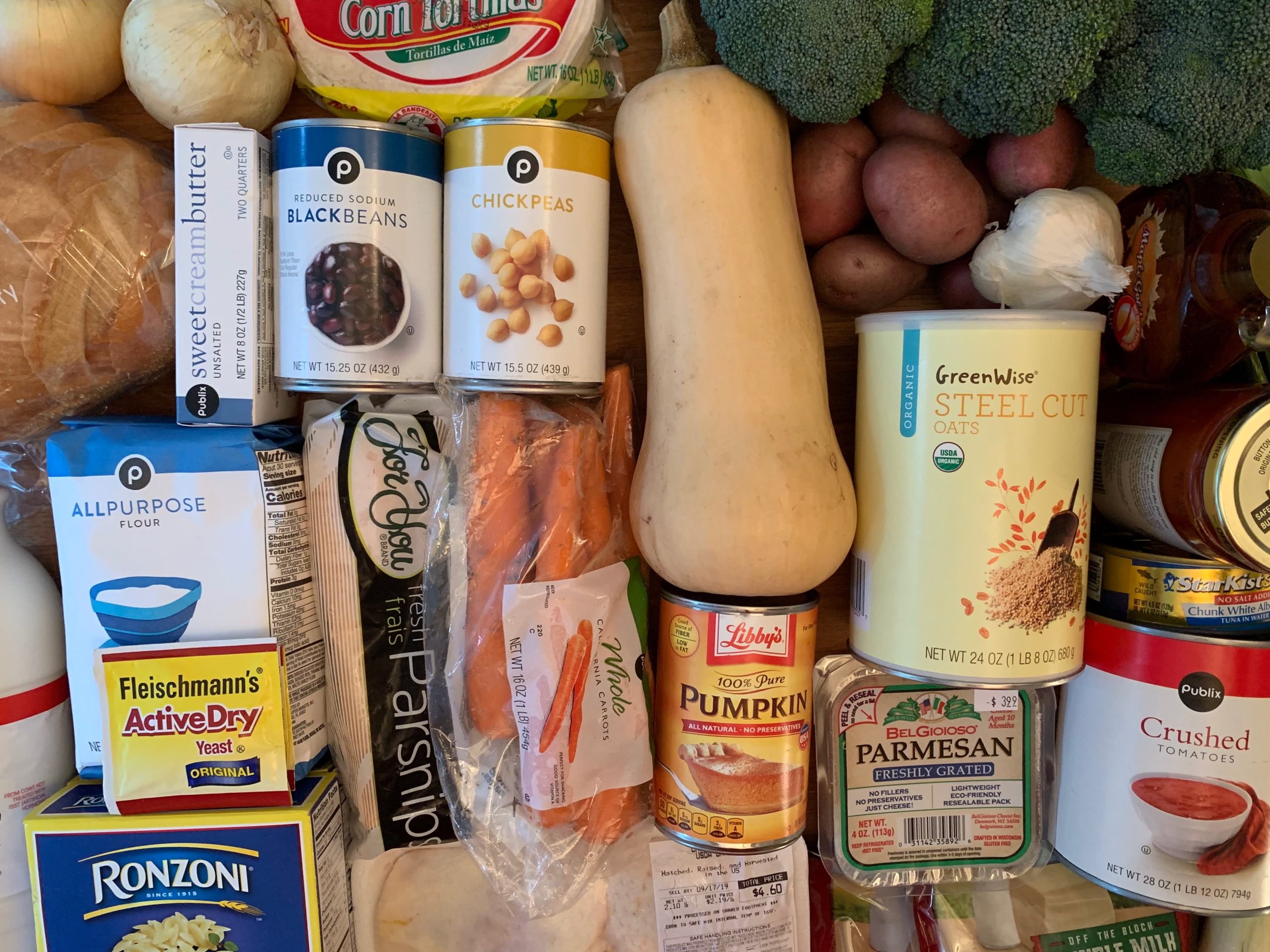
- Canned Goods: Items like beans, tomatoes, and tuna are not only inexpensive but also versatile, forming the base of many dishes.
- Grains: Keeping a variety of grains such as rice, pasta, quinoa, and oats in your pantry allows for endless meal possibilities.
- Spices and Condiments: A diverse spice collection can elevate even the simplest of meals. Items like garlic powder, cumin, and soy sauce can transform basic ingredients into exciting dishes while remaining budget-friendly.
Meal prepping can serve as your secret weapon in the quest for budget-conscious dining. Setting aside one or two days a week to prepare and portion meals in advance can dramatically streamline your cooking process and enhance food safety. When meals are ready to go, it becomes infinitely easier to avoid costly impulse purchases, such as fast food or expensive takeout meals during a busy weeknight.
By employing these strategies in your meal planning routine, you can successfully craft a week’s worth of budget-friendly meals that not only fit your financial constraints but also deliver on taste, nutrition, and culinary enjoyment.
Meal Planning Strategies
Planning a week’s worth of budget-friendly meals necessitates a strategic approach that not only saves money but also maximizes nutrition and enjoyment. A vital first step is to analyze your pantry and refrigerator. Identify ingredients you already have, which can be the foundation of your meals. This step reduces food waste and provides insights into what meals can be created.
Incorporating Seasonal Ingredients
Another way to save is by incorporating seasonal ingredients. Fruits and vegetables that are in season tend to be less expensive than those that are out of season, and they are typically fresher and tastier. For example, tomatoes in the summer or root vegetables in the fall can offer a wealth of options for meals. Shopping at local farmers’ markets often reveals better prices on such seasonal produce.
Batch Cooking and Freezing
Consider batch cooking as a meal prep technique. Cooking in larger quantities enables you to prepare meals that can be stored for later use. For instance, a single pot of soup or stew can be portioned out and frozen, providing you with quick meals for busy days. This not only saves time but reduces the temptation of expensive takeout options.
Use of Leftovers
Incorporating leftovers into your meal plan is vital. Transforming yesterday’s dinner into today’s lunch or incorporating leftover ingredients into a new dish can help stretch your budget even further. For example, roasted chicken can be used in a salad, sandwich, or stir-fry later in the week.
Using a Meal Planning Template
Utilizing a meal planning template can also streamline the process. By allotting specific meals to different days, you can ensure variety while avoiding the dreaded question, “What’s for dinner?” Plans can be adapted weekly or monthly, allowing for flexibility and creativity based on available sales or promotions.
Participate in Local Food Co-ops
Lastly, consider joining local food cooperatives, which often provide access to bulk items at a lower cost. This can significantly cut down grocery expenses, especially when purchasing staples like grains, beans, or spices for your meal plan.
In summary, combining thoughtful strategies, fresh ingredients, and creative meal prep will empower you to navigate your grocery budget effectively while enjoying delicious meals throughout the week. Each meal planned wisely becomes a stepping stone towards financial wellness and culinary satisfaction.
DON’T MISS: Click here to discover sheet pan cooking techniques
Navigating Smart Shopping Strategies
Once you have your weekly menu planned, the next step is to execute a carefully calculated shopping strategy. By acquiring groceries with purpose, you can stretch your budget and maximize your meal options. Here are several techniques to streamline your shopping experience while keeping costs low.
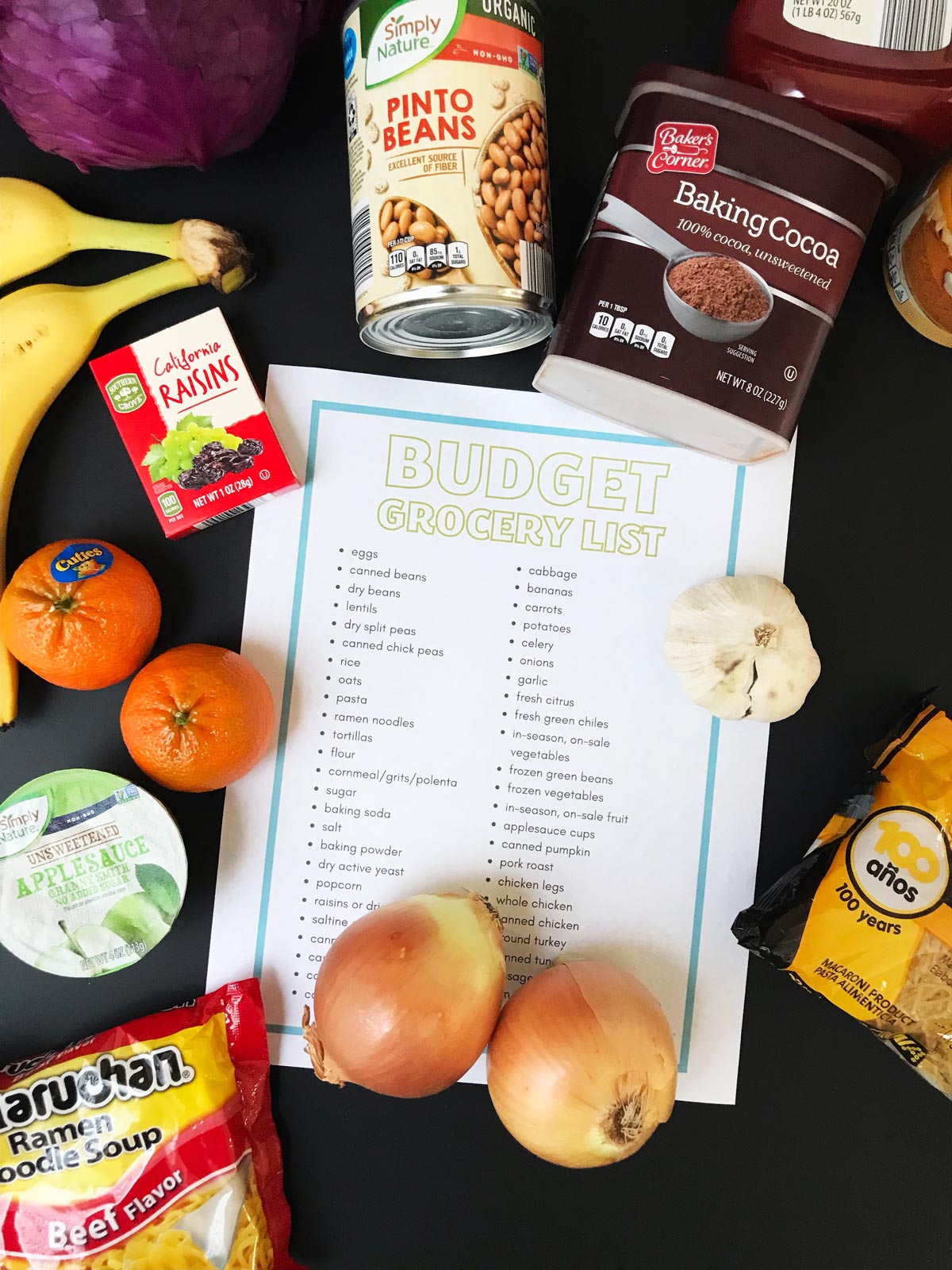
- Create a Detailed Shopping List: Always compile a shopping list based on your meal plan. This not only helps you stay focused in the store but also prevents impulse purchases that can lead to overspending. Organize your list by sections—produce, dairy, cereals—to make your shopping trip as efficient as possible.
- Take Advantage of Sales and Coupons: Keep an eye on weekly store flyers and take note of sales on items that feature prominently in your menu. Additionally, many grocery stores offer digital coupons, which can often be stacked with sales for further savings. Using coupon apps can help you keep track of potential discounts and offers.
- Shop Seasonal and Local: Purchase fruits and vegetables that are in season, as they are typically less expensive and tasted fresher than out-of-season products shipped from afar. Local farmers’ markets can offer competitive prices directly from growers, along with the bonus of supporting your community.
- Buy in Bulk: For staple items that have a longer shelf life, such as rice, oats, beans, or canned goods, consider buying in bulk. This can lead to significant savings over time. Retailers that sell in bulk, such as warehouse clubs, can be a wise choice for families that consume large quantities.
Embracing Simple Cooking Techniques
Another aspect of budget-friendly meal planning is the method of cooking itself. Simplicity can be an ally in creating nourishing meals without breaking the bank. Here are some practical cooking tips:
- One-Pot Dishes: Embrace recipes that allow you to combine ingredients in one pot, like soups, stews, and casseroles. These meals often require minimal cleanup and allow flavors to meld beautifully, making them both delicious and economical.
- Batch Cooking: Preparing larger quantities of a dish can save time and reduce food costs. Cooked meals can be stored in the refrigerator or freezer for use later in the week, providing flexibility in meal options without the need to re-cook from scratch.
- Weather-Friendly Cooking: Consider the season when planning your meals. In the winter, hearty dishes such as chili might be a hit, whereas salads and grilled vegetables may find their place in summer menus. Cooking in alignment with the climate can keep you aware of what to select, ultimately leading to savings.
Incorporating Cost-Effective Ingredients
Choosing cost-effective ingredients can significantly impact your meal prep while still allowing for variety and flavor. Here are a few affordable options that should find their way onto your shopping list:
- Legumes: Beans, lentils, and chickpeas are not only loaded with protein but are also budget-friendly. They can be used in salads, soups, and stir-fries, making them a versatile choice.
- Seasonal Produce: Sticking to seasonal fruits and vegetables can help cut costs while ensuring you’re enjoying fresh flavors. Consider purchasing whole vegetables that can be more affordable than pre-chopped options.
- Frozen Foods: Frozen fruits and vegetables are often cheaper than their fresh counterparts and retain essential nutrients. They can easily be added to a variety of dishes without worrying about spoilage.
By implementing these smart shopping and cooking strategies, you will find that planning a week’s worth of budget-friendly meals is not only feasible but can also lead to delicious and satisfying dining experiences. Adjusting your shopping and cooking habits can transform the way you view meal planning—making it a rewarding journey toward healthier eating without the stress on your wallet.
DISCOVER MORE: Click here for affordable meal prep ideas
Conclusion
In conclusion, planning a week’s worth of budget-friendly meals doesn’t have to be a daunting task fraught with financial strain. By leveraging effective strategies in meal planning, smart shopping, and simple cooking techniques, you can enjoy delicious, nutritious meals without overspending. Start by mapping out a flexible meal plan that incorporates seasonal and local ingredients, ensuring freshness and cost-effectiveness.
The key lies in organization; maintaining a detailed shopping list and taking advantage of sales and bulk buying can significantly lower your grocery expenditures. Furthermore, embracing one-pot recipes or batch cooking can save you both time and money in the kitchen, providing versatility and convenience in your weekly meals.
It’s also worth considering incorporating pantry staples like legumes and frozen produce, as they offer a wealth of culinary possibilities while remaining economical. As you embark on this journey of budget-friendly meal planning, remember that cooking at home can not only strengthen family bonds but also foster creativity in the kitchen. With a little effort and planning, you can transform meal preparation into a fulfilling and cost-efficient endeavor.
So, dive into your next grocery run with confidence, equipped with the knowledge and tools to create a week of hearty meals that nourish both your body and wallet. A fulfilling dining experience awaits, all while keeping your financial goals in check.
Related posts:
Seasonal Ingredients: How to Create Budget-Friendly Recipes with Fresh Produce
Creative Uses for Leftovers: Budget-Friendly Recipes to Reduce Food Waste
Meal Prep on a Budget: Strategies for Affordable and Efficient Cooking
30-Minute Budget-Friendly Breakfasts to Kickstart Your Day
Cooking with Pantry Staples: Budget-Friendly Recipes Using What You Already Have
International Flavors on a Budget: Exploring Global Cuisines with Affordable Ingredients

Beatriz Johnson is a seasoned home cook and recipe developer with a passion for simplifying the art of budget-friendly and easy-to-make meals. With over a decade of experience in the kitchen, she specializes in topics like meal planning on a budget, affordable ingredient swaps, and quick cooking techniques for busy households. Through her work, Beatriz empowers readers to create delicious, satisfying meals while saving money and making the most of every grocery trip.