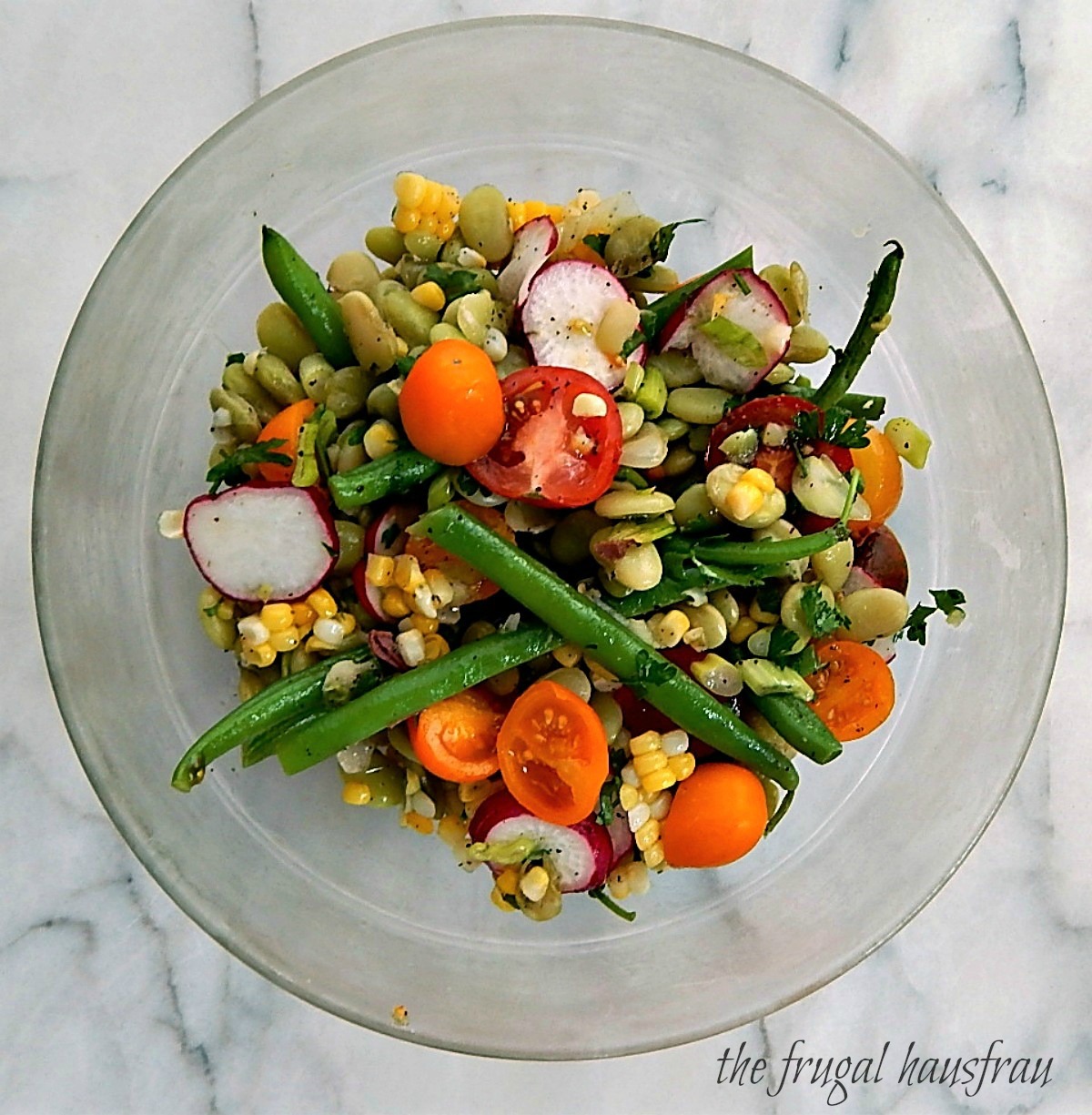
Seasonal Ingredients: How to Create Budget-Friendly Recipes with Fresh Produce

Unlocking the Magic of Seasonal Ingredients
Utilizing seasonal ingredients in your culinary endeavors not only enhances your cooking experience but also contributes positively to your budget. As fruits and vegetables rotate with the seasons, each phase presents a diverse array of flavors and nutritional perks that align with local culinary trends. By leaning into these seasonal offerings, you support local agriculture while enjoying the freshest ingredients available.
Why Choose Seasonal Produce?
- Cost-effective: When certain fruits and vegetables are in season, they are often more abundant, which drives prices down. You can think of the summer months when local farmer’s markets are brimming with fresh zucchini and bell peppers; the prices tend to be lower compared to off-season imports.
- Better flavor: The flavor profile of seasonal produce is typically at its peak. Consider the taste of a sun-ripened tomato harvested in August versus one shipped thousands of miles from another continent in December – the difference is profound.
- Health benefits: Freshly picked produce is richer in nutrients, as it is consumed closer to its harvest date. For example, strawberries consumed in late spring are likely to contain more vitamin C than their out-of-season counterparts, which can spend days in transport and storage.
Take spring as an example, a season bursting with flavor, where you can find vibrant asparagus and sweet strawberries at much lower prices than those imported from foreign lands. This newfound abundance provides an excellent opportunity to create fresh salads or delightful desserts without breaking the bank.
Summer, on the other hand, showcases an array of ingredients like juicy tomatoes, fresh basil, and golden corn. These elements serve as the foundation for classic dishes such as caprese salad or corn on the cob, capturing the essence of summer dining. Fall ushers in hearty squash varieties like butternut and acorn, along with crisp apples that are perfect for pies and seasonal spice blends, inviting a sense of warmth to your meals.
Exploring local farmers’ markets or seasonal racks at your grocery store can amplify your meal creativity, providing access to a variety of wholesome options. Crafting budget-friendly recipes that highlight fresh produce not only helps in managing expenses but also fosters a more adventurous spirit in the kitchen. The journey of embracing seasonal ingredients can lead you to delightful culinary discoveries and is as pleasurable as it is nourishing!
DISCOVER MORE: Click here for easy meal prep tips

Maximizing Freshness: Tips for Finding Seasonal Ingredients
When it comes to incorporating seasonal ingredients into your budget-friendly recipes, knowing where to find these treasures is crucial. The abundance of fresh produce varies with the seasons, making it essential to explore local avenues to maximize flavor while minimizing costs. Here are some practical tips to guide you on your journey:
- Visit Farmers’ Markets: One of the best ways to access fresh seasonal produce is by visiting local farmers’ markets. Not only do you typically find cheaper prices compared to grocery stores, but you also have the chance to interact with the growers, learn about their practices, and discover unique varieties that may not be available in mainstream retail. Markets often create a festive atmosphere, encouraging the exploration of new produce and recipes.
- Join a Community Supported Agriculture (CSA) Program: CSAs allow consumers to buy shares of a farm’s harvest in advance, helping small farmers sustain their operations while giving you access to fresh, seasonal ingredients at an efficient price. With a CSA, you receive a box of varied produce weekly or bi-weekly, introducing you to new items you might not pick up at a grocery store while ensuring the freshest ingredients in your meals.
- Utilize Online Resources: There are various websites and apps that can help you identify seasonal produce by region. Websites like Seasonal Food Guide provide tip sheets and seasonal calendars to optimize your grocery list and meal planning.
- Attend Local Pick-Your-Own Farms: Depending on your location, picking your own fruits and vegetables can be a fun and cost-effective way to gather seasonal ingredients. Strawberries, blueberries, and pumpkins are just a few examples of produce that you can pick yourself, often at a fraction of store prices. Plus, there’s something deeply satisfying about eating food you’ve harvested yourself!
As each season unfolds, so does a unique array of ingredients. Spring presents a vivid palette of tender greens, asparagus, and radishes, while summer bursts forth with sweet corn, tomatoes, and berries. Fall, on the other hand, invites hearty root vegetables and warming spices, while winter offers the opportunity to enjoy citrus fruits, squash, and winter greens—each ripe for creativity in your kitchen.
Cooking with Seasonal Recipes: A Tasty Transition
Transforming seasonal ingredients into delightful recipes doesn’t have to be daunting. Simple, budget-conscious dishes can be created by celebrating the produce available at any given moment. Picture a fresh strawberry spinach salad topped with a zesty vinaigrette in late spring or a comforting butternut squash soup during fall. These recipes not only emphasize the seasonal produce but also provide a nourishing experience without stretching your budget.
The key to building these dishes is embracing the flavors that accompany each season. Take advantage of herbs and condiments that align harmoniously with the primary ingredients to elevate your creations. For example, mint pairs beautifully with summer berries, while sage complements fall squash. By focusing your efforts on seasonal produce, your cooking can become not just a necessity but a delightful exploration of taste—all while keeping your expenditure in check.
Seasonal Ingredients: Capitalizing on Nature’s Bounty
Using seasonal ingredients not only enriches your meals but also supports local farmers, minimizes your carbon footprint, and can significantly lower grocery costs. When fruits and vegetables are in season, their prices often decrease due to higher supply and freshness, allowing consumers to enjoy nutritious choices without breaking the bank.
Understanding Seasonal Cycles
Embracing the changing seasons offers a vast palette of flavors and options. Each season brings its unique offerings, from vibrant spring greens and summer fruits to hearty fall harvests and winter root vegetables. By understanding what’s in season, you can tailor your meals based on availability. This not only enhances taste but also ensures that you benefit from peak nutrient levels. Seasonal recipes can be both fun and educational, making them a perfect choice for families wishing to teach children about where food comes from.
Planning Budget-Friendly Meals
Creating meals around seasonal produce is an excellent strategy for budget-conscious individuals. You can easily plan your shopping trips to coincide with local farmers’ markets or grocery store sales featuring seasonal items. By focusing on what’s available, you effortlessly cut down on costs while exploring innovative recipes that showcase the incredible flavors of fresh ingredients. For instance, a summer zucchini and corn salad or hearty winter squash soup can both be made at minimal expense yet provide maximum flavor.
| Category | Benefits |
|---|---|
| Freshness and Flavor | In-season produce is typically fresher, leading to deeper flavors in your dishes. |
| Cost-Effectiveness | Buying seasonal ingredients can significantly reduce grocery bills and enhance recipe diversity. |
Enhancing your kitchen repertoire by incorporating seasonal ingredients opens the door to creative culinary opportunities. By making the shift toward these natural flavors, you not only nourish your body but also support sustainable practices within your community.
DISCOVER MORE: Click here for delicious one-pot meal ideas
Incorporating Seasonal Flavors into Your Everyday Cooking
Once you’ve sourced your seasonal ingredients, the next step is learning how to incorporate them into your cooking in a way that is not only budget-friendly but also bursting with flavor. Mastering the art of utilizing fresh produce can enhance your meals, transform your cooking habits, and even inspire creativity in your recipes. Here are some fantastic methods to elevate your seasonal cooking:
- Batch Cooking and Meal Prep: One of the most effective ways to maximize your use of seasonal ingredients is through batch cooking. When you purchase a variety of vegetables, consider preparing large quantities that can be stored and used throughout the week. For example, you could sauté a medley of summer squash and zucchini and use them in stir-fries, omelets, or as side dishes. This not only saves you time during the busy week but also helps reduce food waste, a key aspect of budget-friendly cooking.
- Simple Yet Flavorful Preparations: Often, less is more in the kitchen. For seasonal vegetables like asparagus, a simple roast with olive oil, salt, and pepper can bring out their natural flavors brilliantly. Adding fresh herbs from your garden or the market, such as parsley in the spring or thyme in the fall, can also elevate the taste of your dishes without the need for elaborate recipes.
- Explore Global Cuisines: Global cuisines often highlight seasonal ingredients in vibrant ways. For instance, consider preparing a summer ratatouille, a classic French dish that incorporates eggplant, zucchini, and tomatoes. Not only does this celebrate the season’s bounty, but it also allows you to discover new flavors without a significant financial commitment. By exploring diverse cooking styles, you can keep your meals exciting and engage with different cultures through food.
- Preserve for the Off-Season: Take advantage of seasonal ingredients by preserving them for future use. Whether it’s canning, freezing, or pickling fruits and vegetables, these techniques offer a way to enjoy the flavors of summer peaches or fall pumpkins during the colder months. For example, making a fresh tomato sauce in late summer can give you a taste of the season long after the last tomato has been harvested.
The psychological benefits of cooking with fresh seasonal produce are not to be overlooked either. Surrounding yourself with colorful ingredients can stimulate creativity, enhance mood, and make meal preparation feel like an enjoyable experience rather than an obligation. Furthermore, knowing that you are cooking with ingredients that are at their peak freshness often translates to better taste, encouraging you to share these delicious meals with family and friends. Additionally, it’s worth noting that seasonal cooking can also cultivate mindfulness around food in general. This awareness prompts conversations about where your food comes from, which can support local farmers and create community ties. Engaging with your local food system empowers you right in your kitchen, turning your recipes into an experience that transcends just providing sustenance.As you dive deeper into the world of seasonal produce, remember that the flavors of each season come with unique opportunities for culinary exploration. Set a seasonal theme each week for your meal planning, experimenting with the ingredients you discover at the farmer’s market or your CSA. You’ll find yourself intuitively creating recipes aligned with the rhythm of nature while having the perfect balance between taste and budget. Celebrate each season and discover the endless possibilities that seasonal ingredients offer!
DON’T MISS OUT: Click here for delicious salad ideas
Conclusion: Embrace the Bounty of the Seasons
In conclusion, making the most of seasonal ingredients is a wise and rewarding approach to creating budget-friendly recipes that not only satisfy your palate but also nourish your body and wallet. By tapping into the natural rhythms of the seasons, you can enjoy the freshest produce, often at a lower cost, while reducing your environmental footprint through less reliance on out-of-season imports.
Batch cooking, *simple preparations*, and exploration of global cuisines are just a few strategies to help you maximize your seasonal bounty. Each of these methods allows you to experiment with vibrant, healthy flavors while saving time and money. Furthermore, employing preservation techniques ensures that the delightful tastes of summer, for example, can be appreciated long into winter, preventing any waste and extending your culinary adventures.
Ultimately, cooking with fresh, seasonal ingredients fosters a connection to nature and local communities, enhancing your culinary creativity and encouraging sustainable practices. As you embark on this delicious journey, remember that not only do your meals become more flavorful, but they also resonate with a sense of purpose—supporting local farmers and embracing the changing seasons. Dive into this flavorful world and relish each bite of your seasonal repertoire; you might just discover a newfound passion for cooking that is both economical and exciting.
Related posts:
Creative Uses for Leftovers: Budget-Friendly Recipes to Reduce Food Waste
Cooking with Pantry Staples: Budget-Friendly Recipes Using What You Already Have
One-Pot Budget-Friendly Meals: Simplifying Cooking and Saving Money
5 Quick and Easy Budget-Friendly Dinners for Busy Weeknights
30-Minute Budget-Friendly Breakfasts to Kickstart Your Day
How to Plan a Week's Worth of Budget-Friendly Meals Without Breaking the Bank

Beatriz Johnson is a seasoned home cook and recipe developer with a passion for simplifying the art of budget-friendly and easy-to-make meals. With over a decade of experience in the kitchen, she specializes in topics like meal planning on a budget, affordable ingredient swaps, and quick cooking techniques for busy households. Through her work, Beatriz empowers readers to create delicious, satisfying meals while saving money and making the most of every grocery trip.