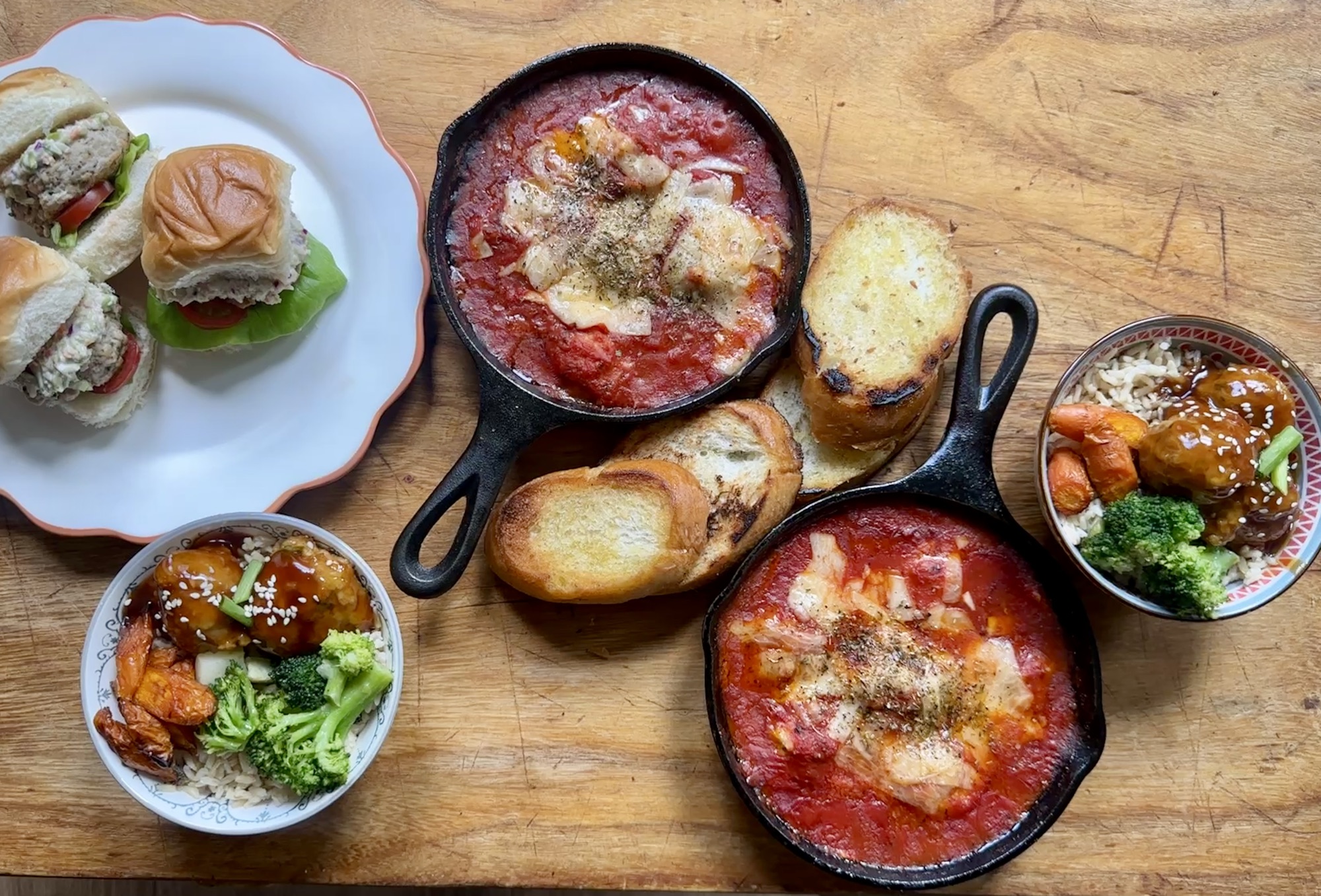
How to Create Healthy Meals on a Budget
Mastering Healthy Eating Without Breaking the Bank
Eating healthy is often perceived as an expensive endeavor, but it doesn’t have to be. With the right strategies, you can enjoy nutritious meals without stretching your wallet. Understanding how to create healthy meals on a budget is a valuable skill that can enhance your well-being and save you money.
Consider the following tips to craft affordable yet wholesome dishes:
- Plan your meals – Creating a weekly meal plan helps you avoid impulse purchases and ensures you only buy what you need. A well-structured meal plan can reduce food waste significantly. For example, planning meals around ingredients that can be used in multiple dishes can help stretch your dollar further. If you’re making chili one night, consider using the same beans for a salad the next day.
- Shop seasonal and local – Fresh produce often costs less when it’s in season and bought from local farmers’ markets. For instance, stone fruits like peaches and plums are usually cheaper in the summer months, while root vegetables are often more affordable in fall and winter. Not only will you save money, but you’ll also enjoy fresher, tastier produce.
- Embrace whole foods – Ingredients like grains, beans, and frozen vegetables are not only economical but also versatile. Whole foods, such as brown rice, lentils, and quinoa, can serve as the foundation for various meals. For example, a simple stir-fry can incorporate not just multiple colorful vegetables but also a protein source like black beans or tofu, making for a fulfilling and mildly priced dish.
In addition to these tips, consider diving into bulk buying for pantry staples. Stores like Costco and Sam’s Club often offer significant savings on non-perishable items such as oats, pasta, and canned goods. Utilizing these can help you build a healthy stockpile while keeping costs in check. Look for sales or discounts actively, and use store loyalty cards or apps that notify you of special deals on healthy products.
Exploring healthy recipes that require minimal ingredients can also simplify your cooking experience and reduce costs. Recipes using five ingredients or fewer can keep the focus on what’s healthy without the fuss. Moreover, you won’t have to purchase overly complex specialty ingredients that can be more expensive than traditional counterparts.
Don’t be afraid to get creative with leftovers, transforming yesterday’s meals into today’s delights. For instance, yesterday’s roasted vegetables can be repurposed into a hearty vegetable frittata or tossed into pasta for a quick meal. This approach not only saves money but also minimizes food waste.

As you embark on this culinary journey, you’ll discover that preparing healthy meals on a budget is not only achievable but can also be rewarding and enjoyable. Prepare to unlock the secret to budgeting for your health by being strategic with your shopping and cooking. Healthy eating is within reach for everyone, no matter their budget.
DISCOVER MORE: Click here for quick and easy meal prep ideas
Smart Strategies for Cost-Effective Nutrition
Creating healthy meals on a budget requires a combination of smart planning and strategic shopping. By adopting certain practices, you can minimize food costs while maximizing nutritional value. Here are some proven strategies that can guide you through the process of crafting affordable meals without compromising on health.
- Prioritize Meal Prep – Meal prepping not only saves time during the week but also ensures you stick to your budget. By cooking in bulk, you can prepare several meals at once, using the same ingredients across multiple dishes. This technique reduces the temptation to order takeout and helps you avoid buying unnecessary ingredients. Aim to set aside a few hours each week to chop vegetables, cook grains, and portion out meals for the days ahead.
- Utilize Coupons and Discounts – Take advantage of grocery store coupons, apps, and weekly flyers to find discounts on healthy products. Websites and apps like Ibotta and Honey can help you earn cash back on purchases, making healthy eating more affordable. Additionally, often store brands offer the same quality at a lower price than name brands, allowing you to save without sacrificing nutrition.
- Incorporate Plant-Based Proteins – While meat can often be a significant expense, considering plant-based protein sources can help lower your grocery bills. Foods such as beans, chickpeas, lentils, and tofu are not only cost-effective but also packed with nutrients. For example, a hearty lentil soup can provide meals for a week at a fraction of the cost of meat-based dishes. Exploring these options can diversify your diet and improve your health simultaneously.
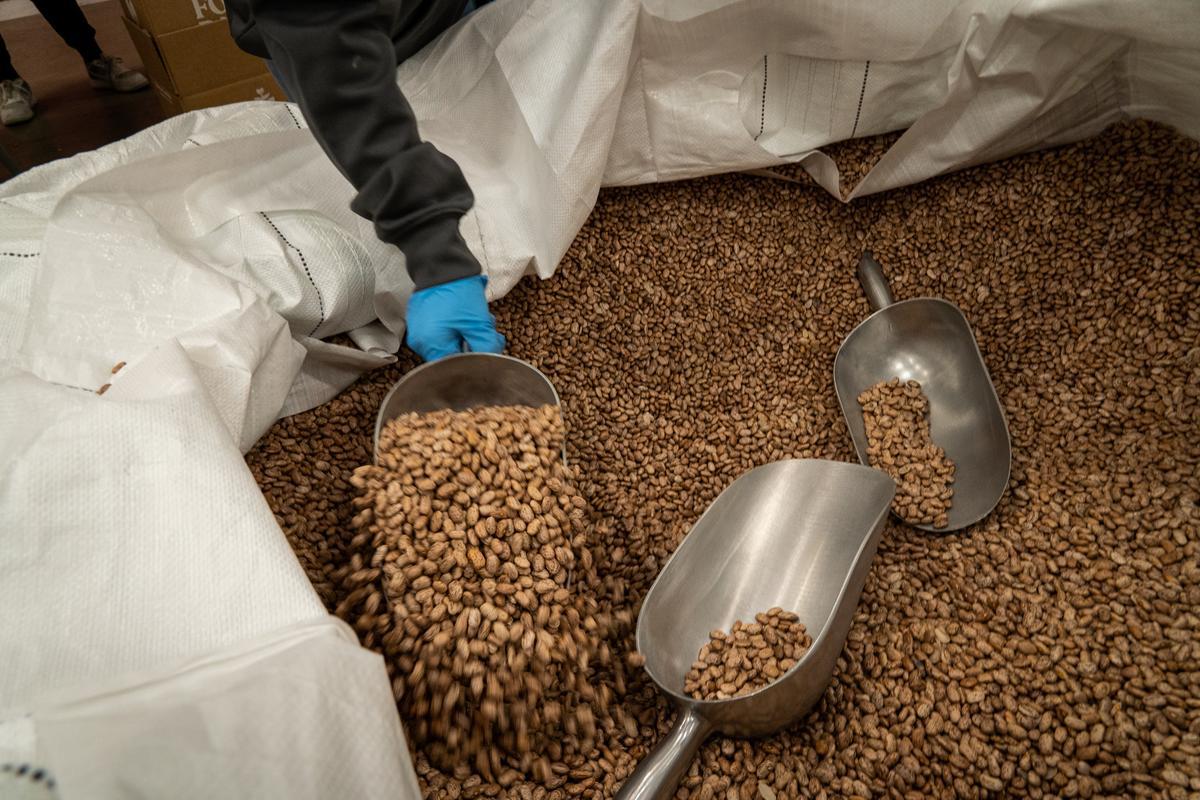
- Buy in Bulk – Purchasing grains, nuts, and spices in bulk can lead to significant savings. Stores offering bulk bins usually allow you to buy exactly the amount you need, which helps prevent waste and adds versatility to your cooking. Consider investing in staples such as oats, pasta, and brown rice. These can form the base of countless healthy meals, from breakfast bowls to satisfying dinners.
Another great way to keep costs down is by embracing cooking seasonal dishes. Seasonal produce is often cheaper and more flavorful. This not only enhances your meals but also supports local farmers and reduces your carbon footprint. Visit local farmers’ markets or follow seasonal guides to know what’s abundant in your area. For instance, during fall, squash, kale, and apples are widely available and can be used in various recipes.
Transitioning to less costly but healthy meal options doesn’t mean sacrificing flavor or variety. By being aware of seasonal changes, prioritizing meal prep, utilizing discounts, and exploring bulk purchases, you can master the art of healthy eating on a budget. It is all about making informed choices and being open to experimenting with different ingredients to find what works best for you and your taste buds.
| Category | Description |
|---|---|
| Planning and Preparation | Organizing meals in advance saves time and reduces waste. |
| Smart Shopping | Buying in bulk and choosing seasonal produce can cut costs significantly. |
Creating healthy meals on a budget isn’t just about choosing cheaper ingredients; it’s about strategic planning. An essential step is to prioritize meal planning. By dedicating a few hours a week to schedule meals, you can avoid impulse buys and ensure that no ingredients go to waste. Planning not only helps to maintain a balanced diet but also keeps your grocery bill down.Moreover, the way you shop directly impacts your budget. Focus on the root vegetables and grains that are often less expensive and highly nutritious. Embrace bulk buying where possible—items like rice, beans, and oats are perfect examples. Shopping at local farmers’ markets can also provide fresh produce at a lower cost. Understanding these shopping techniques can empower you to create wholesome meals without breaking the bank. By incorporating these strategies, you will not only improve your meals but also streamline your finances, showcasing how budgeting and healthy eating go hand in hand.
DIVE INTO: Click here for delicious one-pan recipes
Embracing Diverse Ingredients and Cooking Techniques
One of the most enriching ways to create healthy meals on a budget is by embracing a variety of ingredients and exploring different cooking techniques. This approach not only broadens your palate but also allows you to discover more affordable and nutritious options to incorporate into your meals.
- Experiment with Whole Foods – Focusing on whole foods, such as fruits, vegetables, whole grains, and legumes, is an excellent way to maintain health without overspending. These foods are often cheaper and provide essential nutrients. For instance, consider incorporating inexpensive grains like quinoa, barley, or bulgur into your weekly meal lineup. They can serve as a base for salads, side dishes, or main courses when combined with seasonal vegetables.
- Expand Your Spice Rack – Spices and herbs can transform simple, budget-friendly meals into exciting culinary experiences. Instead of relying on costly sauces or pre-packaged seasonings, consider building a collection of versatile spices such as cumin, paprika, and oregano, which can complement various dishes. Cultivating your own herbs at home is an affordable option too; plants like basil, rosemary, and cilantro require minimal care and can elevate the freshness of your meals.
- Cook with Versatile Ingredients – Certain ingredients, such as eggs, potatoes, and oats, are exceptionally versatile and budget-friendly. Eggs can be incorporated into breakfast burritos, frittatas, or even soft-boiled on top of a grain salad. Potatoes can be roasted, mashed, or turned into soups, providing a filling addition to any meal. Oats, when used creatively, can become more than breakfast; consider overnight oats, oat-based smoothies, or even savory oat bowls for lunch and dinner.
- Try Meatless Meals – Incorporating a few meatless meals into your weekly plan not only saves money but also enhances your diet. Consider dedicating “Meatless Mondays” to explore vegetarian recipes that use beans, legumes, or whole grains as the main protein source. Dishes like vegetable stir-fries, chickpea curries, or black bean tacos can be both satisfying and budget-friendly while offering substantial health benefits.
Another essential aspect of creating affordable meals is mastering different cooking techniques. For example, understanding the art of roasting vegetables can allow you to create delightful, flavor-packed meals at little cost. Roasted seasonal vegetables can be enjoyed as healthy side dishes, tossed into salads, or used as a filling for wraps. Furthermore, learning about stovetop one-pot meals or slow cooker recipes can help you minimize clean-up while maximizing flavors. With minimal effort, you can produce hearty meals such as chili, stews, or casseroles that can be enjoyed over several days, maximizing both time and budget.
Reduced cooking times and energy savings are also potential benefits of using efficient appliances like pressure cookers, which can drastically cut down cooking time for grains and legumes. Investing just a small amount of time to become proficient in these various cooking methods can make a significant difference in both taste and your grocery bill.
By diversifying your ingredients and cooking techniques, you will not only enhance your culinary skills but also empower yourself to make health-conscious choices that fit within your budget. The journey towards affordable healthy meals becomes more enjoyable and fulfilling, paving the way for a sustainable way to nourish yourself and your family.
DISCOVER MORE: Click here to learn how to make the most of seasonal ingredients
Conclusion
Creating healthy meals on a budget is not only achievable but can also be a rewarding and enjoyable experience. By implementing strategies that emphasize whole foods, utilizing affordable ingredients, and exploring various cooking techniques, you can enhance both your culinary skills and your health without straining your finances. The power of creative meal planning, coupled with a commitment to incorporating meatless options and experimenting with spices, opens up a world of flavors and possibilities.
Take advantage of seasonal produce and local markets, as they often present opportunities for lower prices and fresher options. By being mindful of what’s available and planning meals around these ingredients, you can drastically reduce food waste and optimize your grocery bill. Moreover, leveraging bulk buys for pantry staples ensures not only savings but also convenience when it comes to meal prep.
The journey to preparing economical, nutritious meals can be a thrilling adventure, leading you to discover new flavors and cuisines that nourish both body and soul. As you refine your techniques and expand your repertoire, remember that healthy eating does not have to equate to high spending. Rather, it is an outlook grounded in creativity, resourcefulness, and the joy of feeding yourself and your loved ones.
So, step into your kitchen equipped with a wealth of knowledge and the excitement of culinary exploration. Embrace this journey towards affordable healthy eating, as it cultivates not only a healthy lifestyle but also a sense of achievement and fulfillment that comes from crafting meals that benefit both your health and budget.
Related posts:
Creative Uses for Leftovers: Budget-Friendly Recipes to Reduce Food Waste
Quick Recipes with Pantry Ingredients: Tasty Food without Spending Much
Seasonal Ingredients: How to Create Budget-Friendly Recipes with Fresh Produce
5 Quick and Easy Budget-Friendly Dinners for Busy Weeknights
One-Pot Budget-Friendly Meals: Simplifying Cooking and Saving Money
International Flavors on a Budget: Exploring Global Cuisines with Affordable Ingredients

Beatriz Johnson is a seasoned home cook and recipe developer with a passion for simplifying the art of budget-friendly and easy-to-make meals. With over a decade of experience in the kitchen, she specializes in topics like meal planning on a budget, affordable ingredient swaps, and quick cooking techniques for busy households. Through her work, Beatriz empowers readers to create delicious, satisfying meals while saving money and making the most of every grocery trip.