How to Transform Leftovers into Delicious and Affordable Dishes
Unlocking Culinary Potential
Leftovers are often dismissed as an inconvenience, lurking in the back of your fridge and waiting for an opportune moment to be repurposed. However, with a dash of innovation and imagination, these overlooked remnants can evolve into delightful and budget-friendly dishes. Beyond mere sustenance, embracing leftovers allows you to indulge in a fulfilling culinary adventure that can surprise both your palate and your guests.
Why Transform Leftovers?
Utilizing leftovers transcends the basic idea of saving money; it is a proactive approach to grappling with food sustainability and minimizing environmental impact. By reimagining what you have, you unlock a wealth of benefits:
- Cost-effective meals: With groceries prices on the rise, creatively using leftovers can help you save a significant amount of money, freeing up resources for other necessities.
- Reduced food waste: The USDA estimates that around 31% of all food produced in the U.S. is wasted each year. By reusing leftovers, you contribute to a more sustainable food system and help protect the planet.
- Time-saving: Transforming leftovers into new meals can cut your cooking time dramatically, making it a smart choice for busy weeknights.
As a result, many Americans are shifting their mindsets to view leftovers as a blank canvas for culinary creativity. For example, last night’s cold pizza can be revitalized with fresh eggs and cheese, becoming a savory breakfast strata that will impress your family. Similarly, leftover roasted vegetables could be tossed in with some mixed greens and a light vinaigrette for a refreshing and nutritious salad at lunchtime.
Creative Ideas to Get Started
To ignite your culinary creativity with leftovers, consider the following exciting ideas:
- Soups and stews: Take a mix of leftover proteins, assorted vegetables, and grains to create a nourishing soup or stew. For instance, combining leftover chicken, potatoes, and carrots with a flavorful broth can yield a hearty meal that warms the soul.
- Wraps and sandwiches: Elevate simple lunches by experimenting with combinations that tantalize your taste buds. A mix of deli meats, cheeses, and leftover roasted peppers can transform a basic sandwich into a gourmet presentation.
- Omelettes and frittatas: These dishes are fantastic for incorporating a variety of leftovers. Toss in some wilting spinach, diced tomatoes, and last night’s sautéed mushrooms for a quick breakfast or dinner that’s both satisfying and resourceful.
As you embark on this culinary exploration, remember that the only limit is your creativity. Each leftover holds the potential to blend into something remarkable. Your fridge can serve as an evolving pantry where delicious and diverse meals are crafted. So, put on your chef’s hat and let your imagination run wild—the culinary creativity inherent in your leftovers awaits discovery!
DISCOVER MORE: Click here to uncover delicious simplicity
Transformative Techniques for Leftovers
When it comes to turning leftovers into meals that dazzle, understanding the foundational cooking techniques can make all the difference. Sure, you can reheat last night’s dinner, but why not elevate it into something extraordinary? By employing a few clever culinary methods, you can breathe new life into those once-overlooked morsels. Here are some transformative techniques that can accelerate your journey to delicious and affordable dishes:
1. The Art of Seasoning
First and foremost, seasoning plays a crucial role in packaging your leftovers into flavorful meals. Oftentimes, the flavors of your previous dish can fade over time in the fridge. A sprinkle of fresh herbs, a dash of zesty lemon juice, or a splash of soy sauce can revitalize your leftover proteins and vegetables, enticing your taste buds and invigorating your dish. Additionally, spices like cumin, smoked paprika, or chili powder can lend exotic notes to dishes that feel familiar. Not only does this technique improve taste but it also helps reduce food waste by disguising the signs of aging in your food.
2. Temperature Transformation
Sometimes, all it takes to make a leftover feel new again is a change in its temperature. Cold pizza, for instance, may not get your mouth watering, but placing it in a hot skillet or oven to achieve a crisp crust can create a delightful difference. Transforming cold dishes into comforting warm meals can be a game-changer. For example, turn leftover pasta into a bubbly casserole with a homemade béchamel sauce and a sprinkle of cheese, then bake until golden brown. This not only provides a satisfying texture but also elevates the overall flavor profile.
3. Enticing Texture Play
Another effective method is to focus on texture. Mixing contrasting elements breathes new life into your meals. If you’ve got leftover rice, consider a stir-fry where crunchy vegetables, cooked protein, and nuts converge to create a harmonious dish. Alternatively, leftover mashed potatoes can be transformed into crispy potato cakes by pan-frying them until golden. This principle of creating contrast not only satisfies the palate but also enhances the visual appeal of the dish.
4. One-Pot Wonders
One-pot meals are a lifesaver for utilizing leftovers while minimizing cleanup. Combining various leftovers in a single pot can lead to flavor synergy. Think of a savory casserole crafted with leftover vegetables, grains, and proteins topped with breadcrumbs or cheese for added crunch. Dishes like this not only save time but also maximize the potential of everything that’s already in your fridge. Notably, investing in a large skillet or Dutch oven can be a practical step in making these sumptuous meals a regular occurrence in your kitchen.
Incorporating these innovative techniques into your cooking routine allows you to approach leftovers with renewed enthusiasm. Embrace the challenge of creating dishes that not only fill your stomach but also delight your senses. As you adapt these ideas into your cooking habits, you’ll find that your meals become not just a way to avoid waste, but a source of inspiration fuelled by creativity and resourcefulness.
How to Transform Leftovers into Delicious and Affordable Dishes
Transforming leftovers into new, enticing meals is not only a sustainable choice but also an economical one. By utilizing what you already have at hand, you can create culinary delights that surprise your palate while reducing food waste. In this section, we explore exciting strategies to reimagine your leftovers.
Creative Cooking Techniques
One of the most effective ways to breathe new life into leftovers is through innovative cooking techniques. For instance, roasting vegetables can enhance their flavors while adding a delightful crispness. Throw in some leftover meats, grains, or beans, and you have a satisfying dish. Another method is to prepare delicious stews—just add broth and herbs to your existing ingredients, letting them meld together into a warming concoction.
Flavors from Around the World
Incorporating global cuisines can also elevate any leftover dish to gourmet status. For example, rework a standard chicken dinner into a savory chicken fried rice inspired by Asian flavors. Or transform a simple pasta into a zesty Mediterranean salad with olives, feta, and a splash of olive oil. Often, the addition of spices and sauces can change everything.
| Category | Description |
|---|---|
| Utilizing Ingredients | Make full use of ingredients with various cooking styles. |
| Cost-Effective Meals | Transforming leftovers saves money while reducing waste. |
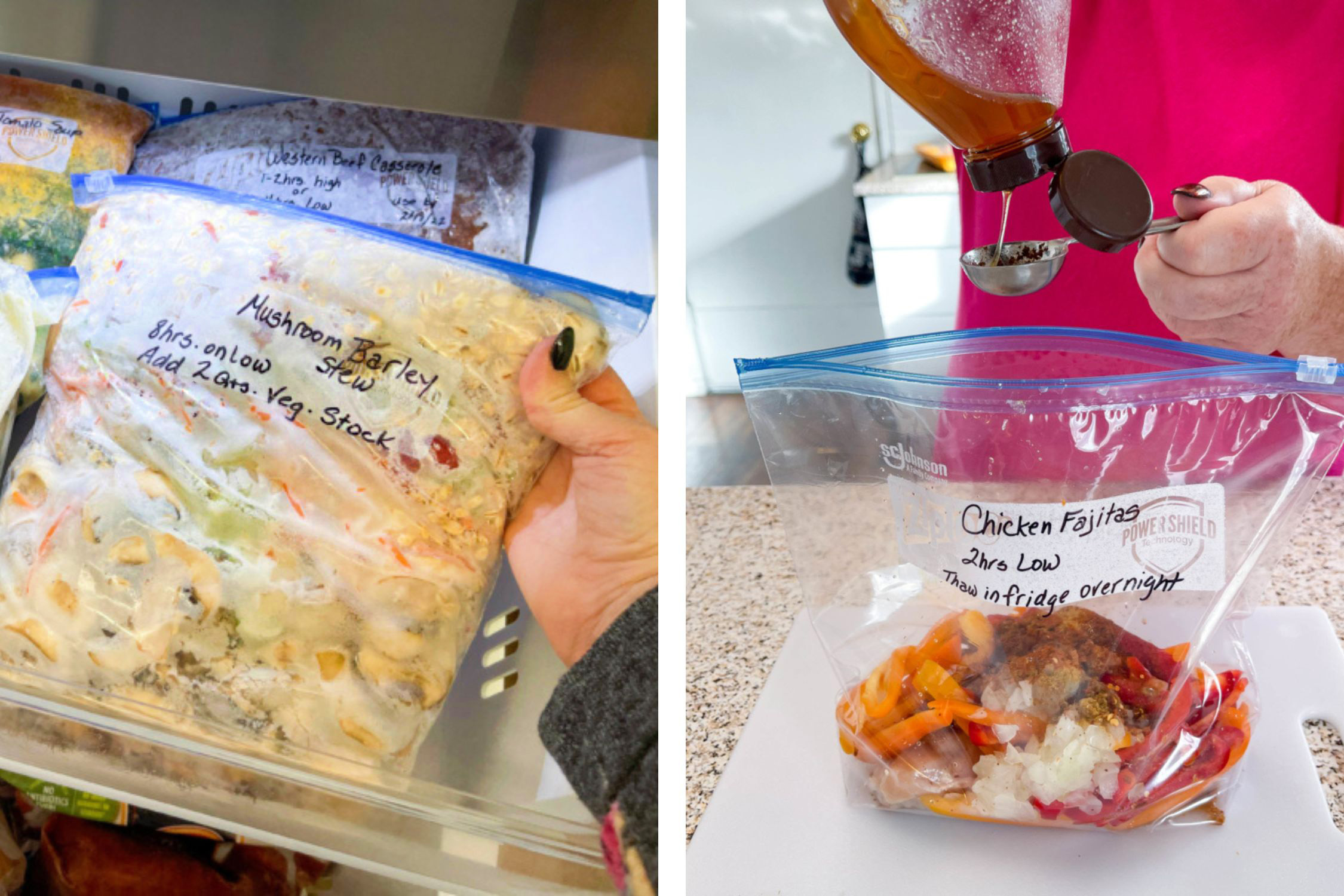
Another game-changer is freezing leftovers. When prepared correctly, your meals can last for months, making weekday dinners less of a chore. Always label your containers with the date and contents, which makes meal prep seamless.
As the kitchen becomes your laboratory, experimenting with flavors, textures, and ingredients will not only elevate the dishes you create but also foster a deeper appreciation for the food you consume. Reimagine your leftovers today and delight your taste buds with innovative creations!
DISCOVER MORE: Click here for easy meal prep techniques
Creative Culinary Concepts for Leftovers
Exploring innovative ideas can unlock a treasure trove of opportunities to create exciting meals from your leftovers. By stepping outside traditional applications, you can stretch your culinary skills and delight your palate while keeping expenses in check. Here are some unique concepts that will elevate your leftover game to new heights:
1. Leftover Turnovers and Hand Pies
Transforming your leftovers into hand pies or turnovers is a delightful way to repurpose them. Using pre-made pastry dough or phyllo, you can encase your leftover meats, vegetables, or even desserts for a portable meal that’s bursting with flavor. For instance, leftover roasted chicken can be mixed with some sautéed onions, herbs, and cheese, tucked into a pastry pocket, then baked until golden brown. This method not only makes for a hearty snack but also allows for creativity—mix and match fillings based on what you have. You’ll find that hand pies are great for meal prep and perfect for lunchboxes or quick snacks.
2. Soup and Broth Revival
Soups offer an ideal canvas for several leftover ingredients. Utilize a base of broth—whether homemade or store-bought—and add in your leftover vegetables, grains, and meats. A leftover roast can morph into a rich pot of stew or soup by incorporating diced potatoes, carrots, and seasonings—allowing flavors to meld beautifully while providing comfort on colder days. Additionally, blending roasted vegetables with broth creates a delicious, silky soup. According to a recent survey, soups are consistently ranked among the most popular leftovers to repurpose, proving that warmth and nourishment can come from what’s already in your fridge.
3. A New Pasta Experience
Pasta is remarkably versatile and can be revived in many ways. Instead of merely reheating leftover pasta, consider transforming it into a fresh dish. For example, create a pasta salad by tossing cold pasta with olive oil, fresh vegetables, and feta cheese, which can be served as a refreshing side or even a main dish. If you’re feeling Italian, risotto made from leftover cooked rice can serve as a creamy base by adding broth, cheese, and seasonal veggies. The possibilities with pasta are nearly endless, making it a go-to option for leftover transformation.
4. Breakfast with a Twist
Breakfast dishes are perfect for utilizing leftovers creatively. Merging various leftover ingredients can lead to exciting morning meals. For example, stale bread can be reimagined as a savory strata by layering with eggs, cheese, and any leftover veggies or meats, then baked until golden. Alternatively, leftover grains like quinoa or rice can be blended into a hearty breakfast bowl with scrambled eggs and avocado, topped with salsa or hot sauce. These inventive breakfast options not only use what you already have but also spark joy to start your mornings right.
5. Spice Blends for Global Flavors
Diving into global cuisines can enhance the appeal of your leftovers. Create spice blends that transform simple ingredients into exotic dishes. For instance, a sprinkle of garam masala can turn leftover roasted cauliflower into an Indian-inspired dish. Alternatively, cumin and coriander can give a Middle Eastern twist to a leftover grain salad. The “use what you have” approach, combined with some diverse spices, can transform mundane leftovers into globally inspired delights.
By embracing these creative concepts for transforming leftovers, you can create scrumptious meals that surprise and satisfy. These innovative approaches will help you uncover the potential hidden in your fridge, turning leftover dishes into culinary masterpieces that excite your taste buds while keeping your budget intact.
DIVE DEEPER: Click here for quick and nutritious meals
Conclusion: Mastering the Art of Leftover Transformation
In a world where food waste is a growing concern, learning to transform leftovers into delicious and affordable dishes is an invaluable skill. As we’ve explored, including hand pies, hearty soups, innovative pasta creations, exciting breakfast options, and global spice blends, the possibilities are endless and only limited by your imagination. By taking the time to creatively repurpose what you already have on hand, not only do you minimize waste, but you also discover new and exciting flavor combinations that can surprise and delight.
Consider this a culinary adventure that turns your kitchen into a playground of flavors. Each meal becomes a chance to experiment and innovate while keeping your budget intact. Embracing this mindset can lead to significant savings and inspire a newfound appreciation for the versatility of food. As you incorporate these strategies into your cooking routine, you’ll find not only satisfaction in minimizing waste but also joy in sharing unique meals with family and friends.
Ultimately, the art of transforming leftovers is about more than just frugality; it’s about sustainability and creativity in the kitchen. So the next time you face a fridge full of remnants, roll up your sleeves and let your culinary ingenuity shine. You may just impress yourself with what can be achieved with a little creativity and boldness.
Related posts:
Creative Uses for Leftovers: Budget-Friendly Recipes to Reduce Food Waste
International Flavors on a Budget: Exploring Global Cuisines with Affordable Ingredients
How to Plan a Week's Worth of Budget-Friendly Meals Without Breaking the Bank
Quick Recipes with Pantry Ingredients: Tasty Food without Spending Much
Seasonal Ingredients: How to Create Budget-Friendly Recipes with Fresh Produce
30-Minute Budget-Friendly Breakfasts to Kickstart Your Day

Beatriz Johnson is a seasoned home cook and recipe developer with a passion for simplifying the art of budget-friendly and easy-to-make meals. With over a decade of experience in the kitchen, she specializes in topics like meal planning on a budget, affordable ingredient swaps, and quick cooking techniques for busy households. Through her work, Beatriz empowers readers to create delicious, satisfying meals while saving money and making the most of every grocery trip.