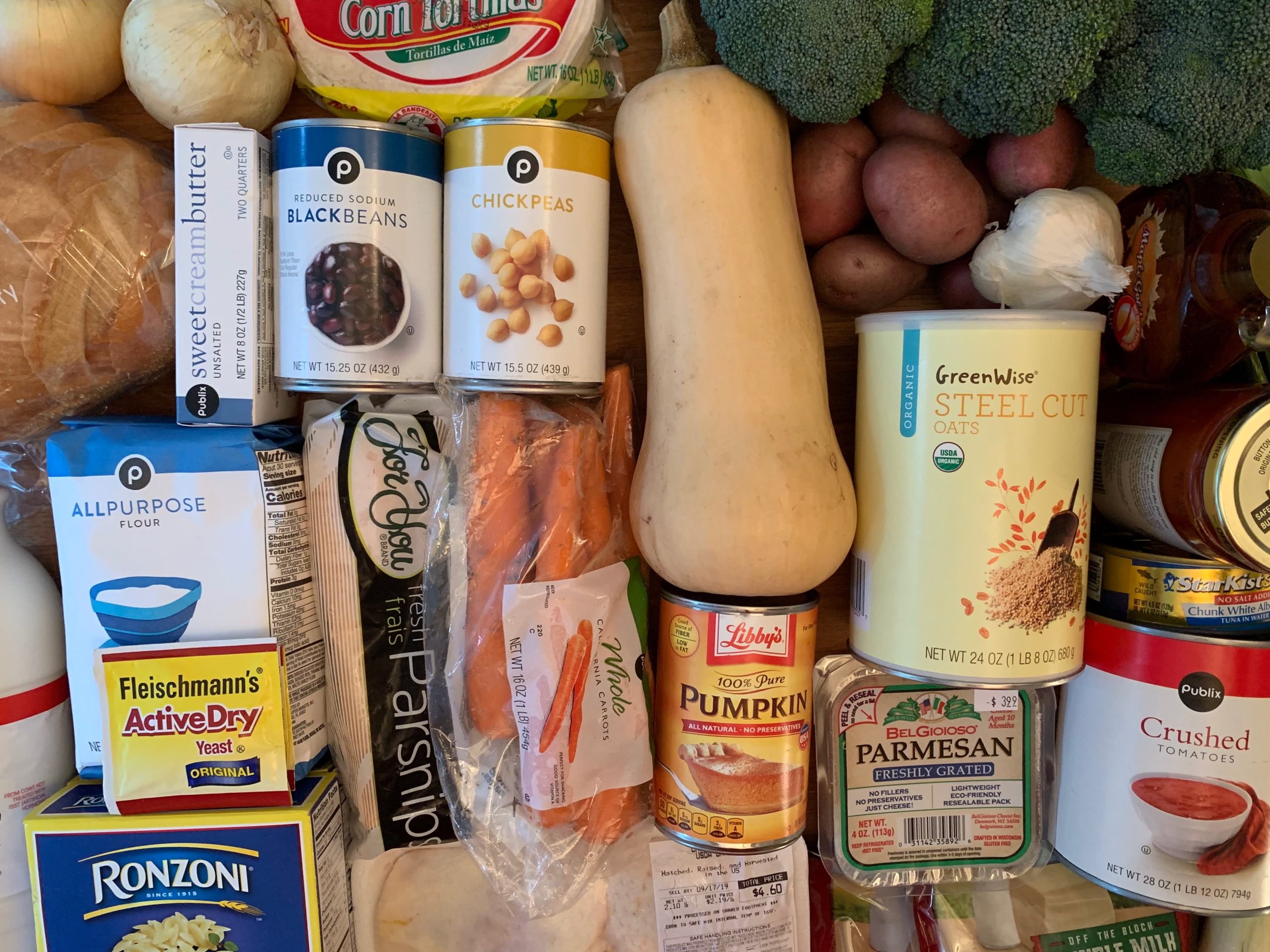
Meal Planning: Saving Money and Time in the Kitchen

Unlocking Kitchen Efficiency
In the hustle and bustle of daily life, finding time to cook can often feel like a daunting task. However, by planning ahead, you can transform your kitchen routine into a seamless experience that maximizes your time and minimizes stress. Meal planning serves as a powerful strategy not only to save precious time but also to significantly cut down on food expenses, making it a crucial tool for many households.
Benefits of Meal Planning
When you integrate meal planning into your weekly routine, you’ll discover numerous advantages, including:
- Reduced Grocery Bills: Shopping with a well-prepared list helps you avoid impulse buys, which can lead to unnecessary spending. For instance, if your list is focused on essential ingredients for planned meals, you’re less likely to wander down the snack aisle and toss in items that don’t fit into your budget.
- Less Food Waste: Cooking with planned ingredients ensures you use everything you purchase. By aligning your shopping list with the meals you intend to cook, you can minimize the chances of ingredients going bad or being tossed out, which is especially helpful if you’re mindful of environmental impacts.
- Healthier Eating: Planning meals encourages home-cooked, nutritious options over ordering fast food. For example, when you plan for a balanced dinner of grilled chicken, roasted vegetables, and quinoa, you’re not only nourishing your body but also bypassing the temptation of unhealthy last-minute takeout options.
Moreover, adopting a meal planning system can help you reclaim your evenings. Instead of scrambling for dinner ideas after a long day at work, knowing what you’re going to cook can streamline your entire routine. This allows for more time to connect with family or unwind on the couch rather than worrying about meal prep at the last minute.
Getting Started
With some simple steps, you can ease into meal planning and enjoy the benefits. Consider starting with:
- Choosing a Planning Method: You can opt for a digital app like Mealime or a traditional pen-and-paper approach in a dedicated planner. Each method has its own merits, with apps often providing user-friendly interfaces and recipe suggestions.
- Setting Aside Time: Dedicate a day each week for planning and prepping your meals. This not only helps you stay organized but also provides a calming ritual amid your busy week. Many people find Sundays to be an ideal day, as it lays the groundwork for a successful week ahead.
- Exploring Recipes: Take the time to find dishes that cater to your family’s tastes while being budget-friendly. Websites like AllRecipes or Pinterest offer countless options ranging from quick meals to more elaborate dinners, ensuring you can find something to please every palate.
As you dive into the world of meal planning, you’ll likely find it both a time-saver and a way to enjoy cooking again. The clarity and simplification that comes with jotting down your weekly meals can also revive your passion for culinary creativity. Are you ready to explore these strategies and improve your kitchen efficiency?

DISCOVER MORE: Click here for delicious soup recipes
Mastering Your Weekly Menu
As you set out on your meal planning journey, it’s crucial to understand that successful meal prep isn’t just about assigning dishes to days—it’s an art of aligning flavors, nutrients, and time management to create a harmonious kitchen experience. The key to mastering your weekly menu lies in crafting a functional and flexible plan that caters to your lifestyle and culinary preferences. This flexibility is vital, especially in a diverse country like the United States, where eating habits can vary greatly from region to region.
Understanding Your Family’s Needs
Before you can effectively plan your meals, it’s essential to take stock of your household’s preferences and dietary requirements. Consider the following aspects:
- Food Preferences: Are there particular cuisines your family enjoys? Maybe it’s Italian pastas one night, followed by Mexican tacos the next. Tailoring your meal choices around these preferences can boost family morale and encourage everyone to gather around the dinner table.
- Dietary Restrictions: Be mindful of allergies and special diets in your family. If someone is gluten-free or vegetarian, for instance, this will need to be factored into your meal planning to avoid frustration and ensure everyone has something delicious to eat.
- Schedule Constraints: Factor your weekly schedule into your meal planning process. If Tuesdays are particularly busy, a slower-cooking dish or a meal that can be prepped in advance might be what you need, while weekends could allow for more elaborate cooking projects.
By assessing these elements, you can create a tailored plan that not only satisfies everyone’s taste buds but also aligns with everyday life. The result? A dining experience that feels both fulfilling and convenient, removing the burdens of last-minute decisions and discouraging takeout temptations.
The Importance of a Flexible Shopping List
When it comes to transforming your meal ideas into action, a flexible shopping list becomes an invaluable tool. By compiling a list based on seasonal ingredients and weekly sales, you maximize savings while also ensuring freshness in your meals. Grocery stores often have sales that cater to the specifics of each season, providing the opportunity to select ingredients that are tasting at their peak while keeping your costs down. For example, you might find that tomatoes are particularly ripe and inexpensive in the summer months, making it the perfect time to plan dishes that feature salsa, salads, or coq au vin.
Moreover, regularly revisiting your shopping habits can reveal potential savings. Local farms and farmer’s markets often offer fresher produce at lower prices, meaning you can incorporate these wholesome ingredients without straining your budget. The more you align your shopping practices with your meal plan, the better you’ll manage both your purse strings and your palate.
In conclusion, meal planning isn’t about rigid rules or strict adherence to a schedule. Instead, it’s about acquiring the skill to balance creativity, practicality, and discipline. By understanding your family’s needs and crafting a flexible shopping list, you lay the groundwork for a successful meal planning system that saves both time and money, leading you toward culinary fulfillment in the kitchen.
| Advantages | Details |
|---|---|
| Cost Efficiency | By planning meals ahead, you can reduce food waste and make strategically timed grocery trips, leading to lower overall expenses. |
| Time Management | Meal planning allows for streamlined cooking processes, minimizing the time spent in the kitchen and making weeknight dinners less stressful. |
Meal planning not only serves to enhance your culinary efficiency but also acts as a powerful tool for budget management. When you have a clear list of what to buy and meals to prepare, you can avoid unplanned impulse purchases often made in grocery stores. This method emphasizes using sales and seasonal ingredients, ensuring that you make the most out of your budget without sacrificing quality.Moreover, the time you save by preparing meals in advance can be used for other productive activities or simply for relaxation, transforming your weeknight routines into more manageable and enjoyable experiences. As many families juggle busy schedules, the convenience offered through meal planning can make all the difference in maintaining a balanced lifestyle. Engage in meal planning and discover how it can revolutionize your time in the kitchen!
SAVINGS ALERT: Click here to discover budget-friendly slow cooker meals
Streamlining Meal Prep Techniques
Once you’ve constructed a personalized meal plan, the next crucial step in optimizing your time and financial resources in the kitchen is to embrace effective meal prep techniques. With strategic preparation methods, you can minimize your cooking time during the busy weekdays, simplify your grocery shopping, and reduce food waste—ultimately leading to a more efficient kitchen environment.
Prepare Ingredients in Advance
A game-changer in meal planning is the practice of preparing ingredients in advance. Utilizing a few hours on weekends or your days off to chop vegetables, marinate proteins, or even batch-cook grains can have a significant impact on your weekly cooking experience. For instance, consider dedicating time to:
- Chopping and Storing: Wash and chop vegetables like bell peppers, carrots, and broccoli, then store them in airtight containers. This will save you precious minutes during your busy weekdays, making it easy to toss them into stir-fries, salads, or soup.
- Cooking in Bulk: Prepare large batches of staple foods such as rice, quinoa, or pasta. These can serve as the base for various meals throughout the week, enabling you to simply combine with different proteins and sauces for a variety of dishes.
- Marinating Proteins: Marinate chicken breasts or tofu ahead of time. Not only does this infuse extra flavor, but you can simply pull them out of the fridge and cook them when needed.
This initial investment of time can lead to daily efficiency, allowing for quick assembly of meals while also providing a culinary canvas that makes cooking a delightful endeavor rather than a chore.
Utilizing Leftovers Creatively
Leftovers often get a bad rap, but with a little creativity, they can become a pivotal component of your meal planning strategy. In homes across the United States, reinventing yesterday’s dinner can save both time and money. Here are a few innovative ways to breathe new life into leftovers:
- Transformative Dishes: Leftover roasted vegetables can easily be turned into a flavorful frittata or stirred into a grain bowl. Similarly, cooked proteins can be shredded and tossed into tacos, sandwiches, or salads.
- Soup and Stews: Take those extra servings of chili or stew and blend or simmer them with fresh ingredients to create new meals. Adding some fresh herbs or spices can also elevate the dish and mask the idea of “leftovers.”
- Freeze for Future Meals: Not everything leftover needs to be consumed immediately. Dishes that are freezer-friendly, such as casseroles or soups, can be portioned and saved for future busy days, helping to alleviate the stress of nightly cooking.
Embracing leftovers is a sustainable approach that saves time in meal preparation and resources in grocery shopping. Not only does it reduce waste, but it also stretches your grocery dollar further while providing variety throughout the week.
Leveraging Kitchen Tools and Technology
In this digital age, taking advantage of kitchen tools and technology can significantly enhance your meal planning effectiveness. Consider integrating the following resources into your routine:
- Apps and Online Resources: Meal planning apps, such as Mealime or Yummly, can simplify recipe discovery and grocery list creation. By inputting your preferred ingredients, these apps can tailor recipe suggestions, minimizing meal prep guesswork.
- Slow Cookers and Instant Pots: Having a slow cooker or an Instant Pot can transform your meal prep dynamic. Throwing ingredients into a slow cooker can yield a wholesome meal with minimal morning effort, while Instant Pots can drastically cut down cooking time for dishes that normally take hours.
- Meal Prep Containers: Investing in quality meal prep containers will help in organizing your weekly portions efficiently. Having appropriate sizes for various meal components (like proteins, veggies, and carbs) can streamline the storage process and improve convenience during busy days.
By leveraging these kitchen tools and technologies, you not only save time but also enhance your cooking experience, turning meal preparation into a structured yet enjoyable part of your routine.
DISCOVER: Click here for easy one-bowl meal ideas
Conclusion
In today’s fast-paced world, effective meal planning is an invaluable skill that empowers you to save money and time in the kitchen. As we have explored, constructing a thoughtful meal plan is just the beginning. Embracing strategic meal prep techniques, creatively utilizing leftovers, and leveraging modern kitchen tools can transform your culinary experience from chaotic to streamlined.
The potential savings from buying in bulk and reducing food waste cannot be overstated, allowing you to allocate your budget towards higher-quality ingredients. Moreover, by prepping ingredients ahead of time, you find yourself navigating weeknight dinners with ease, freeing up precious moments for other activities. Leftovers, often overlooked, can become the heroes of your meal planning, providing delicious yet economically sensible solutions that reduce stress and keep variety alive in your diet.
Additionally, incorporating technology—be it meal planning apps or versatile cooking gadgets—enhances not only efficiency but also the joy of cooking. As you embark on your meal planning journey, consider not just the financial benefits but the lifestyle adjustments that accompany a more organized kitchen routine.
Ultimately, it’s about creating culinary confidence while nurturing both your wallet and your well-being. By committing to meal planning, you can savor the process of preparing nourishing meals while shaping a more sustainable and enjoyable culinary lifestyle. Now is the time to dive into meal planning and discover how it can transform your kitchen experience!
Related posts:
Creative Uses for Leftovers: Budget-Friendly Recipes to Reduce Food Waste
Meal Prep on a Budget: Strategies for Affordable and Efficient Cooking
International Flavors on a Budget: Exploring Global Cuisines with Affordable Ingredients
One-Pot Budget-Friendly Meals: Simplifying Cooking and Saving Money
Budget-Friendly Slow Cooker Meals: Set It and Forget It for Delicious Savings
Seasonal Ingredients: How to Create Budget-Friendly Recipes with Fresh Produce

Beatriz Johnson is a seasoned home cook and recipe developer with a passion for simplifying the art of budget-friendly and easy-to-make meals. With over a decade of experience in the kitchen, she specializes in topics like meal planning on a budget, affordable ingredient swaps, and quick cooking techniques for busy households. Through her work, Beatriz empowers readers to create delicious, satisfying meals while saving money and making the most of every grocery trip.