
Understanding Your Pet’s Needs
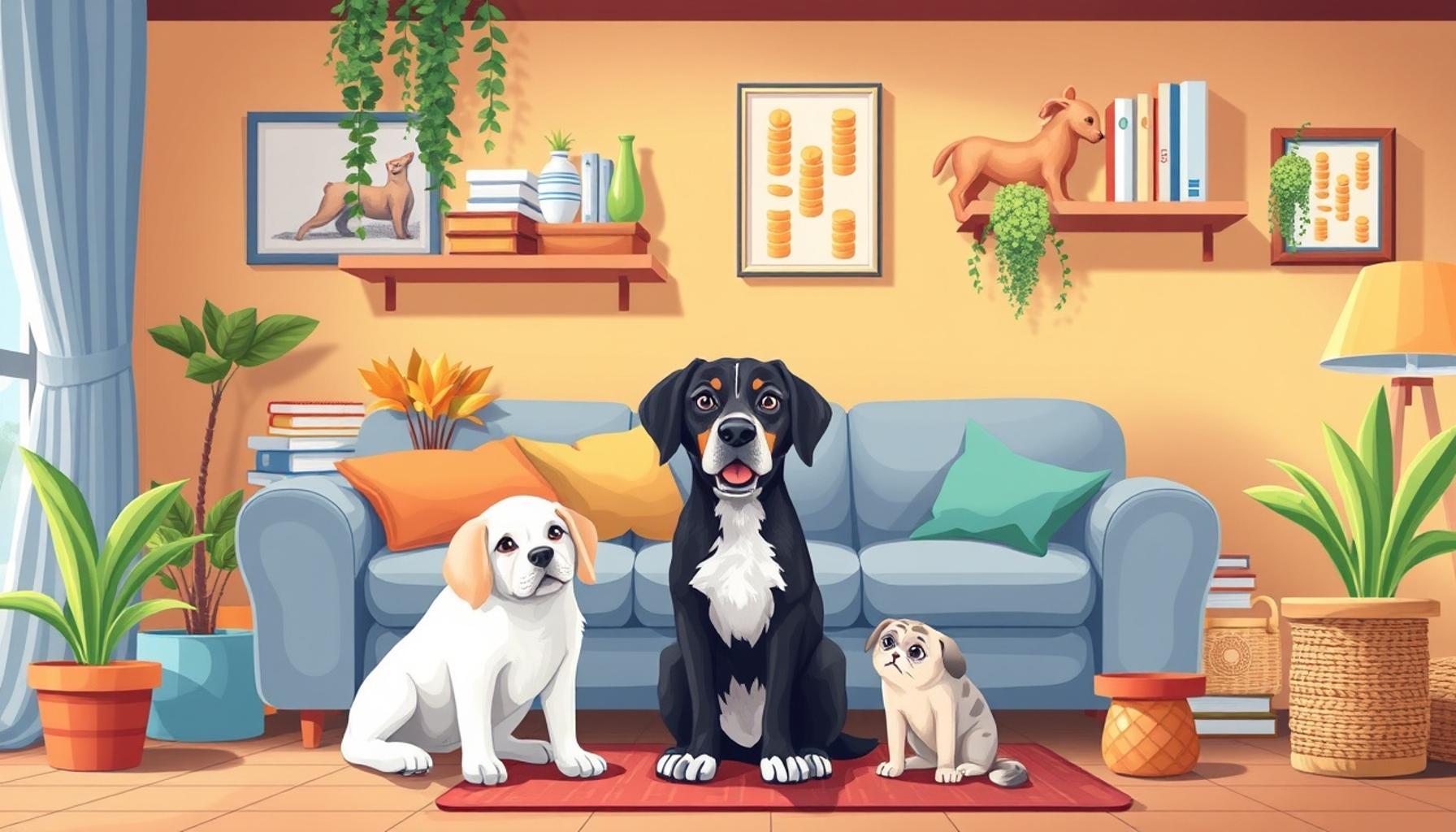
Every pet owner knows the importance of a safe and comfortable environment for their furry friends. Creating a sanctuary for your pets can greatly improve their well-being and happiness. This not only enhances their quality of life but also brings peace of mind to you, the owner. The relationship between pets and their environments is profound, influencing their behavior, health, and emotional state. By focusing on their needs, you can foster an atmosphere that promotes contentment and security.
Why Safety Matters
Did you know that a significant number of pets require emergency care each year due to household accidents? According to reports from the American Society for the Prevention of Cruelty to Animals (ASPCA), millions of pets face injuries from unsafe conditions in the home. Creating a pet-friendly space involves proactive strategies that are critical for their safety:
- Removing toxic plants: Many household plants like lilies, poinsettias, and azaleas can be extremely harmful to pets if ingested. Researching safe plant options can not only beautify your home but also protect your pets.
- Securing precious items out of reach: Items such as jewelry, medications, and small objects can pose choking hazards for curious pets. Utilizing decorative storage containers or shelves can prevent these dangers.
- Ensuring that all cords and chemicals are safely stored: Electrical cords should be properly managed to prevent chewing, and household cleaners should be stored in locked cabinets. Simple measures like these can prevent potentially life-threatening accidents.
A proactive approach can prevent many mishaps. Simple investments in safety can grant your pets the freedom to explore without fear, allowing for a more enriched environment.
Creating Comfort
Pets thrive in environments tailored to their needs. An essential aspect of pet care is ensuring they have spaces that cater to their physical and psychological comfort. Consider the following elements:
- Cozy bedding for rest: A dedicated sleeping area with comfortable, washable bedding ensures that pets can recharge in a safe, cozy spot. Consider orthopedic beds for older pets, which can support their joints.
- Dedicated play zones: Spaces where pets can safely engage in play help promote exercise and reduce behavioral issues. Incorporate safe toys and climbing structures for cats, or an enclosed yard for dogs to run freely.
- Calm areas for relaxation: Create quiet zones in your home where pets can retreat from noise and chaos, especially during holiday gatherings or thunderstorms. This can include a covered crate or a secluded corner with their favorite blankets.
These features not only promote comfort but also stimulate mental and physical health, leading to a happier pet. Regular interaction and playtime in these tailored environments can strengthen the bond between you and your pet, encouraging a more fulfilling relationship.
Conclusion
As you delve into the details of creating a safe haven for your pets, discover practical tips and strategies to ensure your home is a welcoming retreat for your beloved companions. From making small adjustments in your living space to incorporating enriching activities, investing time into these preparations can make a significant difference. The result is not just a home for them, but a nurturing environment where they can truly thrive.
LEARN MORE: Click here to discover what to expect in your adoption interview</p
Key Considerations for Pet Safety
Creating a safe environment for your pets goes beyond just pet-proofing your home; it involves understanding their natural instincts and behaviors. Each pet has unique needs, influenced by factors such as breed, age, and health. By aligning your home’s layout and contents with these needs, you can significantly reduce risks and enhance their comfort. Here are some crucial safety considerations:
- Establish pet-proof zones: Designate specific areas in your home where pets can explore freely, while restricting access to places that could be hazardous. For instance, keeping outdoor areas gated protects pets from wandering off or encountering wildlife.
- Temperature control: Maintaining a comfortable temperature is vital for your pets’ well-being. Make sure your home is not too hot or cold, particularly in areas where your pets spend most of their time. This includes providing shade in outdoor spaces and ensuring indoor areas are well-ventilated.
- Routine maintenance: Regularly inspect your home for potential hazards. Look for sharp edges, loose floorboards, or any areas where a pet could become trapped. Additionally, keep an eye on wear and tear in items like toys and bedding, replacing them when they become unsafe.
- Fencing and barriers: For outdoor excursions, ensure your yard is securely fenced. Consider employing barriers or netting if you have agile pets that can jump or climb. This provides them with a safe space to enjoy the outdoors without the risk of escaping or encountering dangers.
- Emergency preparedness: Every pet owner should have an emergency plan in place. Keep essential items, such as a first aid kit designed for pets and emergency contact numbers for your veterinarian, accessible. Familiarize yourself with local emergency pet services, just in case.
Implementing these strategies can help reduce the likelihood of accidents, providing you with greater peace of mind. A well-prepared environment not only adds layers of safety but also fosters greater happiness for your pets, as they can freely engage with their surroundings.
Understanding Behavioral Needs for Comfort
Animals, much like humans, thrive in spaces that allow them to express their natural behaviors. Understanding these behaviors is crucial in creating a comfortable environment. Below are some factors to consider:
- Socialization: Pets are social creatures and require interaction. Set aside time each day for bonding activities; this includes playing, training, or simply lounging together. Pets that receive ample social interaction are less likely to develop behavioral issues stemming from boredom or loneliness.
- Providing enrichment: Enrichment is key to keeping your pets stimulated both mentally and physically. Incorporate puzzle feeders, interactive toys, or DIY obstacle courses to challenge their minds and prevent detrimental behaviors, such as excessive barking or scratching.
- Numerous resting spots: Pets enjoy choosing their sleeping spots, so equip your home with various options. Consider providing beds in different areas, allowing them the freedom to select their preferred resting place according to their mood.
By acknowledging these behavioral needs, you can create an enriching environment that promotes not only safety but also a sense of happiness and comfort for your pets.
| Category | Details |
|---|---|
| Safe Spaces | Create designated areas for your pets to relax, ensuring they feel secure and comfortable. |
| Pet-Proofing | Eliminate hazards such as toxic plants, electrical cords, and small objects they can swallow. |
| Temperature Control | Keep your home at a comfortable temperature for your pet, avoiding extremes that can lead to discomfort or distress. |
| Quality Bedding | Invest in high-quality, cozy bedding to provide your pets with a comfortable resting space. |
In creating a safe and comfortable environment for pets at home, focusing on these critical aspects can greatly enhance their well-being. Providing safe spaces facilitates relaxation, while pet-proofing your home minimizes risks of injury. Furthermore, maintaining appropriate temperature control is essential to keep them content. Choosing quality bedding contributes significantly to your pet’s comfort, allowing them to unwind and recharge. By addressing these areas, pet owners can create a nurturing atmosphere where their beloved companions thrive. Additional strategies may also include regular monitoring of pet behavior in different areas to ensure adjustments are made as needed.
DISCOVER MORE: Click here to learn how to choose the perfect pet for your family
Essential Safety Measures for Pets
In addition to understanding behavioral needs, creating a safe and comfortable environment for pets at home requires implementing specific safety measures. These actions not only enhance their safety but also contribute to a harmonious household. Here are several key safety protocols that can enhance your pet’s living space:
- Secure hazardous materials: Make sure cleaning supplies, medications, and other potentially toxic substances are stored in inaccessible cabinets. Many common household items, such as chocolate, grapes, and certain plants, can be lethal to pets. Consult resources like the ASPCA’s Poison Control for a comprehensive list of harmful substances, ensuring your home is a safe haven.
- Use non-toxic alternatives: When cleaning your home or treating pest problems, opt for pet-safe products. Many traditional cleaning supplies contain harmful chemicals that can cause skin irritations or poisoning. Explore green cleaning solutions or natural remedies, which are effective and safer for your furry companions.
- Install child-proof locks: If you have curious pets that like to explore, consider child-proof locks for cabinets and drawers. This simple step can prevent pets from accessing harmful items while giving you peace of mind.
- Monitor cords and wires: Pets, especially young ones, love to chew on cords and wires, which can lead to dangerous accidents. Utilize cord covers or cable management systems to keep them out of reach. It’s a small adjustment that can significantly improve safety in your home.
- Be cautious with furniture: Think about the layout and stability of your furniture. Heavy objects should be securely placed to avoid tipping. Additionally, avoid placing items that could break easily, like glass vases or ceramic decorations, in areas accessible to pets.
Implementing these essential safety measures is an investment in your pet’s health and well-being. The effort you put into reducing risks at home will greatly benefit your pets, allowing them to explore and enjoy their environment more freely.
Creating a Stimulating Environment
Aside from safety, ensuring a stimulating environment is vital. A pet’s psychological wellness contributes significantly to their happiness and behavior. Here’s how you can enrich your home:
- Interactive playtime: Regular play not only strengthens the bond between you and your pet but also helps maintain their physical fitness and mental sharpness. Invest in a variety of toys that encourage active play, such as ropes for tug-of-war, fetching balls, or laser pointers for cats. Rotate these toys to maintain novelty and engagement.
- Outdoor space design: If you have a yard, design it to be pet-friendly with appropriate landscaping and secure boundaries. Install pet-friendly plants and ensure that there’s plenty of room for them to roam. Incorporating features like a sandbox for digging or a small kiddie pool for cooling off can further enrich their outdoor experience.
- Quiet retreats: Just like humans, pets need their downtime. Provide a quiet space where they can escape the hustle and bustle of daily life. This could be a nook with their favorite blanket or a cozy bed in a calm corner of the house, creating an environment where they feel secure and at peace.
- Social exposure: For pets that thrive on social interaction, consider organizing playdates with other pets. This promotes healthy social skills and combats loneliness while providing an opportunity for exercise. Make sure to supervise these interactions to ensure both safety and positivity.
Incorporating these strategies not only fortifies the safety of your pets but also nurtures their physical and emotional health, paving the way for a more fulfilling life alongside their human companions. The combination of safety consciousness and behavioral enrichment creates a tailored environment in which your pets can thrive.
LEARN MORE: Click here to discover the importance of socialization for your new pet
Conclusion
Creating a safe and comfortable environment for your pets at home is not merely a matter of convenience; it is a profound responsibility that ensures their well-being and happiness. By implementing essential safety measures and focusing on their emotional needs, you pave the way for a nurturing atmosphere where pets can flourish. Remember to secure hazardous materials, utilize non-toxic cleaning solutions, and maintain an organized living space free from potential hazards like exposed cords or precariously placed furniture.
Equally important is the enrichment of their surroundings, which contributes significantly to their mental and emotional health. Incorporate interactive playtime, design pet-friendly outdoor spaces, and create quiet retreats within your home to allow for both active play and peaceful rest. The simple act of ensuring social interaction through playdates can foster friendships that further enhance their quality of life.
Ultimately, the investment you make in your pet’s environment is reflected in their behavior, health, and happiness. As a pet owner, you hold the key to unlocking a fulfilling life for your furry companions. By following these practical tips for creating a safe and enriching home, you not only enhance their immediate safety but also empower them to lead a vibrant, joyful life filled with comfort and love. Your pets deserve nothing less than a space where they can thrive, explore, and be their happiest selves.