Tips for Smart Shopping and Preparing Cheap Recipes

Maximize Your Savings with Smart Shopping
In today’s economy, finding ways to stretch your dollar is more essential than ever. Smart shopping not only involves knowing where to shop but also understanding how to make the most out of your budget. By employing a few savvy strategies, you can enjoy delicious meals without breaking the bank.
Key Tips for Smart Shopping
- Plan Your Meals: Taking time each week to outline your meals can save you both time and money. Start by choosing a few recipes that incorporate similar ingredients. This makes efficient grocery lists possible, as you minimize purchasing unnecessary items. For example, if you plan to make a stir-fry and a soup, you can buy a bag of fresh broccoli for both dishes.
- Use Coupons and Discounts: Check out local flyers from grocery stores, as they often feature weekly discounts on staple items. Additionally, take advantage of online coupon platforms like RetailMeNot or Honey that provide promo codes and cashback options. Using digital grocery store apps can also help you keep track of available discounts. Combining these strategies can lead to substantial savings.
- Buy in Bulk: Stocking up on non-perishable items when they’re on sale is a smart move to reduce long-term costs. Items like pasta, rice, canned goods, and frozen vegetables can often be purchased at lower unit prices when bought in larger quantities. Stores such as Costco or Sam’s Club offer bulk options that can yield significant savings over time.
- Shop Seasonal Produce: Opting for fruits and vegetables that are in season not only supports local farmers but also provides better quality at lower prices. For instance, shopping for tomatoes in July, when they are in peak season, can give you both remarkable flavor and a lower cost compared to winter months.
Preparing Cheap Recipes
Once you’ve shopped smartly, it’s time to get creative in the kitchen. Simple, budget-friendly recipes can be both delightful and nutritious. Consider these quick ideas:
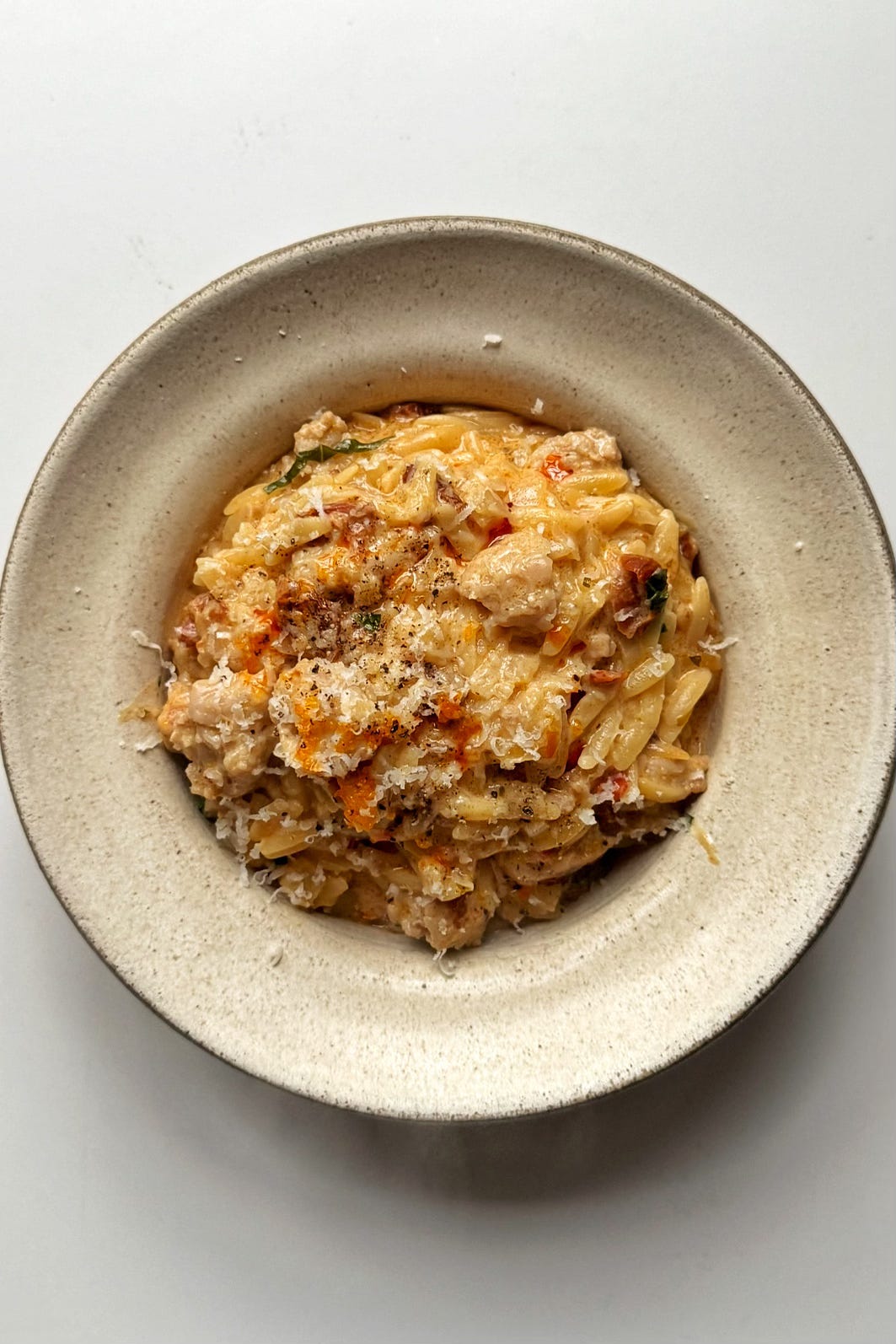
- One-Pot Meals: Reduce cooking time and cleanup with meals that combine protein, grains, and vegetables. For example, a one-pot rice and chicken dish can be both hearty and easy, just throw everything in together and let it cook.
- Meatless Days: Incorporating beans, lentils, and seasonal veggies can lead to affordable and fulfilling meals. A classic bean chili not only is cheap to make but packed with nutrients and flavor, proving that you don’t need meat to have a satisfying dish.
- Leftovers Magic: Transforming last night’s dinner into a new dish can be an inventive way to minimize waste and maximize taste. Leftover roasted chicken can easily become a chicken salad for lunch or tacos for dinner, showcasing how versatility can stretch a meal further.
Exploring these strategies not only cuts costs but also opens up a world of culinary creativity. With the right tools and knowledge, anyone can become a master of cheap yet satisfying meals. Engaging with your community through local farmers’ markets or food co-ops can provide additional inspiration and resources. Embrace these practices as they can transform not just your shopping habits but also your overall relationship with food and budgeting.
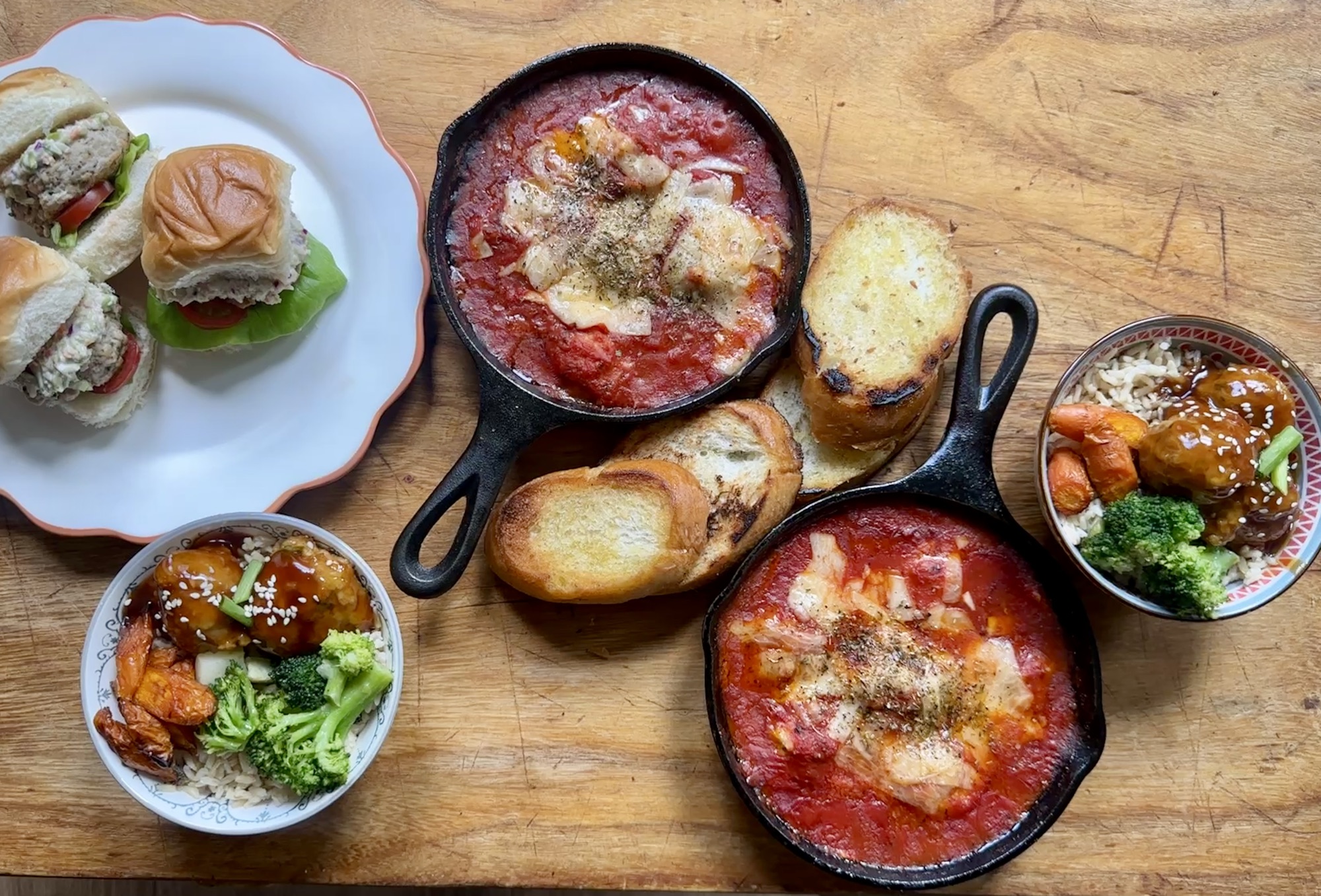
DISCOVER MORE: Click here for budget-friendly skillet ideas
Smart Shopping Strategies for the Savvy Saver
Understanding how to make the most of your grocery budget requires not just awareness, but also action. Savvy shoppers know that the key to maximizing savings lies in strategic buying, which can transform your overall shopping experience. Here are some essential strategies to consider as you embark on your journey toward smarter shopping.

Embrace Meal Prepping
One of the most effective ways to ensure you stick to your budget is by embracing meal prepping. Dedicate a couple of hours during the weekend to prepare several meals for the week ahead. Not only does this save time on busy weekdays, but it also significantly reduces the temptation to order takeout. When planning, consider batching ingredients; for example, if you’re roasting vegetables, make extra for use in salads or wraps later in the week. This method of utilizing leftovers can save both time and money.
Use Grocery Store Apps Wisely
In the age of technology, grocery apps have revolutionized the shopping experience. Many stores, like Kroger and Safeway, offer digital coupons directly through their apps. Look for promotions on items you commonly purchase. Additionally, some apps provide personalized discounts based on your shopping habits, further helping you save as you shop. Most of these apps also allow you to create grocery lists, making it easier to resist impulse purchases while in-store.
Take Advantage of Store Loyalty Programs
Joining a store’s loyalty program can yield significant long-term savings. Many stores offer exclusive discounts, rewards points, and access to member-only sales. For example, supermarkets like Publix or Target have loyalty programs that reward customers with discounts on future purchases based on their spending. Be sure to sign up and always present your loyalty card or phone number at checkout to maximize your savings.
Compare Prices and Store Brands
It pays to compare prices before filling your cart. Generally, store brands can offer the same quality as national brands at a fraction of the cost. For instance, products like canned goods, dairy, and pasta often have equivalent taste and quality in store-brand options. Additionally, utilizing comparison price apps or websites allows you to quickly identify the best deals. Using these tools can lead to substantial cost savings without sacrificing quality.
Smart Shopping Lists
- Be Specific: Create a list that is clear and concise, avoiding generic terms. Instead of “snacks,” list specific items like “carrots and hummus” or “granola bars”.
- Stick to the List: Commit to buying only what’s on your list to minimize unplanned expenses.
- Review Before You Go: Understand your pantry and fridge situation before shopping to minimize buying duplicates and waste.
Incorporating these shopping strategies into your routine will equip you to manage your expenses effectively while enjoying a variety of nourishing recipes. A thoughtful approach to your grocery shopping not only saves money but cultivates new habits that can lead to a healthier lifestyle. With a little time and effort, you can transform everyday meals into culinary adventures that don’t compromise on flavor or nutrition, showcasing that smart shopping extends well beyond mere savings.
| Category | Explanation |
|---|---|
| Meal Planning | Organizing weekly meals helps streamline shopping by reducing impulsive buys. |
| Ingredient Substitutes | Leveraging common household items can significantly cut costs while maintaining recipe integrity. |
| Bulk Buying | Purchasing in larger quantities often leads to reduced per-unit prices, fostering bigger savings. |
| Store Brand Products | These items usually carry less price premium compared to name brands, with similar quality. |
| Seasonal Shopping | Fruits and vegetables typically cost less when in season, enhancing freshness and savings. |
Incorporating these strategies into smart shopping not only reduces expenses but also maximizes the culinary experience. Understanding how to utilize local produce combined with household staples can lead to delicious and economical meals. By exploring these tips further, readers can refine their shopping habits and elevate their cooking without breaking the bank. Discover how embracing a frugal mindset can yield remarkable culinary creations!
DIVE DEEPER: Click here to discover delicious global cuisines on a budget
Cooking Smart: Cost-effective Recipe Ideas
While shopping smartly is vital to keeping costs down, your journey toward frugality doesn’t end at the checkout counter. Understanding how to make meals that are both affordable and delicious can help you stretch your grocery budget further. Here are some insightful tips and cheap recipe ideas that can bring variety to your meals while safeguarding your finances.
Incorporate Cheap Proteins
Meat can be one of the most expensive components of a meal, so it’s wise to explore alternative protein sources. Beans, lentils, and eggs are not only budget-friendly but also packed with nutrition. For instance, a one-pound bag of dried lentils can be purchased for under $2 and can yield several meals. Consider creating wholesome dishes such as lentil soup or chickpea salad. These options are not only economical but also hearty and satisfying, making them ideal for family dinners.
Opt for Seasonal and Local Produce
When it comes to vegetables and fruits, choosing seasonal and locally sourced produce can significantly cut costs. During their peak seasons, items like tomatoes, cucumbers, and bell peppers are typically cheaper and taste far superior. Local farmers’ markets often provide great deals, and shopping at these venues not only supports local economies but also allows you to get fresher ingredients. Try preparing a ratatouille during the summer months or a hearty root vegetable stew in the fall for comforting and budget-friendly meals.
Utilize One-Pot Meals
One-pot meals are a clever way to save both time and money while minimizing cleanup. Dishes that incorporate grains like rice or quinoa with vegetables and protein are not just simple to prepare but also versatile. For example, a one-pot chicken and rice dish can be made using leftover chicken and a variety of vegetables that need to be used up. Not only do such meals maximize the use of ingredients, but they also promote creativity in the kitchen, freeing you to experiment without breaking the bank.
Freeze for Later
Don’t underestimate the power of your freezer! Freezing meals or raw ingredients can help avoid waste and ensure that you always have a quick meal option available. Cooked chili, casseroles, and vegetable stocks freeze well and can save you on those busy evenings when you otherwise might splurge on takeout. You can also chop fruits and vegetables in bulk and freeze them for future use—perfect for smoothies or quick stir-fries.
Mason Jar Meals: A Trendy Solution
The mason jar meal trend has taken off for good reason. They not only look appealing but can also keep salads and layered dishes fresh for days. Start by adding dressing at the bottom, then layer ingredients by density, with leafy greens at the top to avoid wilting. This method not only aids in portion control but also encourages you to use your prepped ingredients while maintaining freshness.
Batch Cooking and Leftovers
- Make Larger Portions: Cooking more than you need and storing the leftovers can serve as a meal for the next day or two.
- Transform Leftovers: Use leftover roasted chicken from dinner to make chicken tacos the next night, minimizing food waste while diversifying your meals.
- Label and Store: Clearly label frozen meals and leftovers with dates to ensure you use them in a timely manner.
By adopting these budget-friendly cooking strategies and recipe ideas, you can dramatically cut your meal expenses while still enjoying flavorful dishes that the entire family will love. These practices promote both mindfulness in spending and creativity in cooking, laying the groundwork for long-term savings and a satisfying relationship with food. Let each meal be an opportunity to merge your culinary skills with your thrifty ambitions, ultimately showcasing the best of what smart shopping and cooking can offer.
DISCOVER: Click here for quick dinner ideas
Final Thoughts: Smart Shopping and Affordable Cooking
In today’s fast-paced world, the quest for both economic savvy and culinary delight can feel challenging. However, by embracing the principles of smart shopping and preparing cheap recipes, you can not only save money but also enjoy nourishing meals that bring joy to your table. The strategies discussed in this article, from incorporating alternative protein sources to utilizing seasonal produce, can significantly impact your grocery budget while enhancing your cooking skills.
Additionally, the convenience of one-pot meals and batch cooking allows for greater efficiency without sacrificing flavor or nutrition. By mastering food preservation techniques like freezing and making the most of leftovers, you can minimize waste and ensure that nutritious options are always on hand. The innovative use of trends like mason jar meals offers modern solutions to keep your meals engaging and visually appealing.
As you navigate this journey, remember that being mindful about your spending doesn’t mean sacrificing quality. Quite the contrary—effective meal planning and strategic shopping can lead to delightful culinary discoveries that might surprise you. Seek inspiration from local farmers’ markets, explore new recipes, and embrace creativity in the kitchen. Through these practices, you are not only fostering a deeper connection with your food but also setting the stage for a more sustainable and cost-effective lifestyle. Let your journey in smart shopping and cheap recipe preparation pave the way to healthier eating habits, while keeping your wallet happy.
Related posts:
One-Pot Budget-Friendly Meals: Simplifying Cooking and Saving Money
How to Transform Leftovers into Delicious and Affordable Dishes
5 Easy and Affordable Recipes for Family Dinners
Budget-Friendly Slow Cooker Meals: Set It and Forget It for Delicious Savings
Quick Recipes with Pantry Ingredients: Tasty Food without Spending Much
Cooking with Pantry Staples: Budget-Friendly Recipes Using What You Already Have

Beatriz Johnson is a seasoned home cook and recipe developer with a passion for simplifying the art of budget-friendly and easy-to-make meals. With over a decade of experience in the kitchen, she specializes in topics like meal planning on a budget, affordable ingredient swaps, and quick cooking techniques for busy households. Through her work, Beatriz empowers readers to create delicious, satisfying meals while saving money and making the most of every grocery trip.