
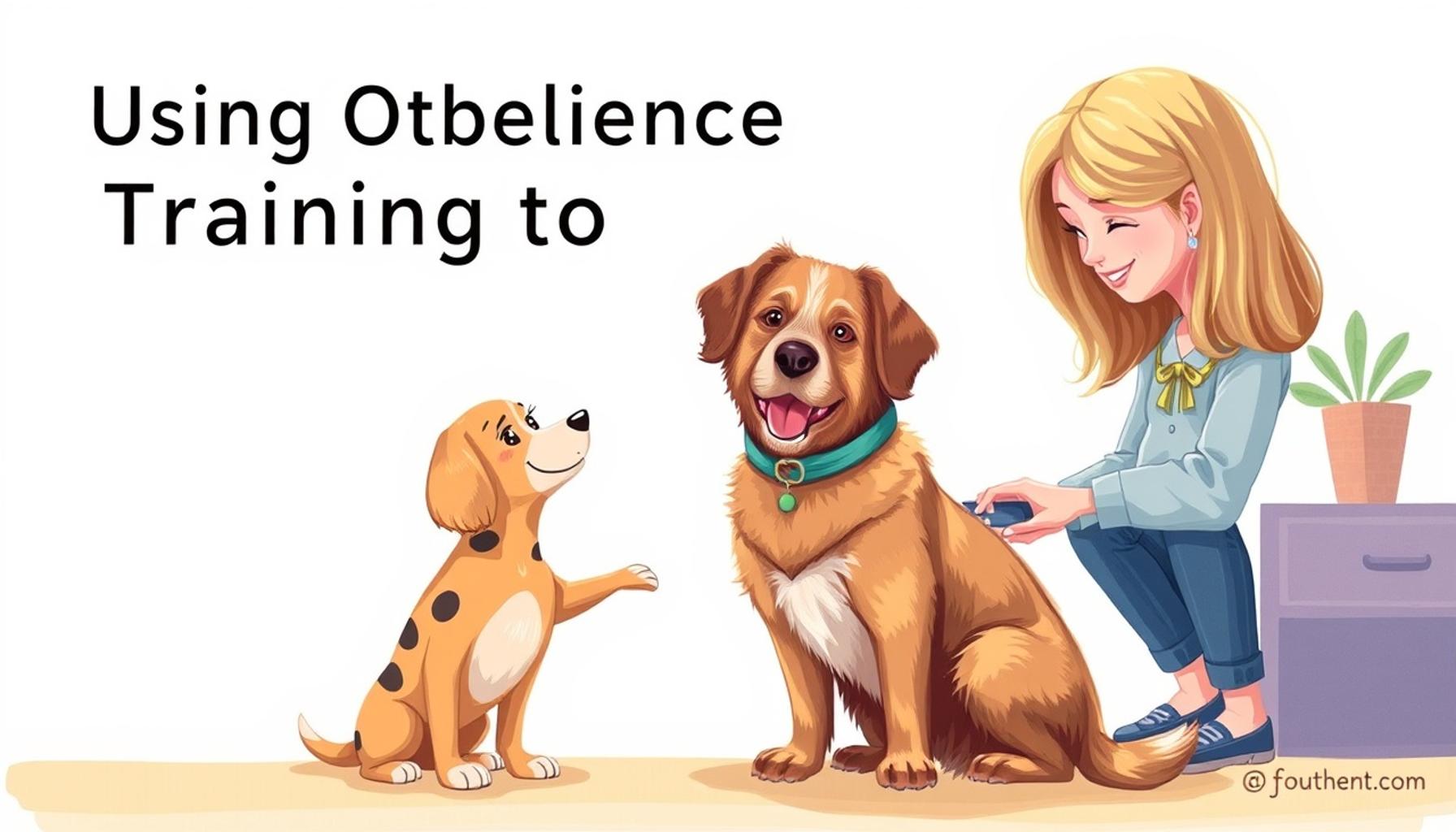
Building Trust Through Training
Training your pet extends far beyond teaching simple commands—it’s an invaluable opportunity to foster a deep, trusting relationship with your furry companion. The mutual understanding that develops during obedience training can significantly enhance the bond you share. By investing time and effort into training, you not only improve your pet’s behavior but also create a solid foundation of trust. The benefits of this journey are manifold:
- Strengthening Communication: Training helps establish a shared language between you and your pet. For instance, when your dog learns to sit on command, it becomes a crucial part of your interactions, enabling effective communication where words alone might fail.
- Increased Safety: A well-trained pet is less likely to encounter dangers that would threaten their well-being. For example, teaching your dog the “stay” command can prevent them from running into traffic, potentially saving their life.
- Boosted Confidence: Successful training boosts your pet’s confidence. When they master new skills, it fosters a sense of security and accomplishment, leading to a more relaxed and happy animal.
Despite these advantages, many pet owners underestimate the power of obedience training in developing trust. Training transforms not only behavior but also creates a positive learning environment, resulting in a pet that is responsive to your cues and eager to please. This enhanced cooperation can significantly elevate your daily interactions.
Key Components of Obedience Training
To maximize the benefits of your training sessions, focus on these essential components:
- Consistency: Use the same commands and rewards each time you train. Consistency helps reinforce learning, making it easier for your pet to grasp what is expected of them, regardless of the setting.
- Positive Reinforcement: Reward desired behaviors, such as sitting when told, to encourage repetition. This could include treats, praise, or toys, which serve to motivate your pet to repeat the behavior happily.
- Patience: Training is a process that requires time. Each pet learns at their own pace, so it’s crucial to remain patient and understanding during this journey. Remember, frustration can set back progress and erode trust.
By focusing on these key elements, you will not only teach your pet important skills but also create cherished moments together. Unlock the potential of your relationship through the art of obedience training, leading to a more harmonious home life. A well-trained pet is not merely an accessory—it’s a partner, a source of joy, and an integral part of your family dynamic. The time invested in training will yield a lifetime of loyalty and companionship.
LEARN MORE: Click here for essential socialization techniques
Creating a Foundation of Security
Obedience training is not merely about teaching your pet to sit, stay, or come; it is fundamentally about fostering a deep-seated relationship built on trust and security. When pets feel safe, they are happier and more balanced, which in turn encourages a harmonious living environment. This sense of security stems largely from predictable interactions with their humans, an aspect that obedience training can effectively enhance. By teaching your pet specific commands, you outline clear expectations that create a reassuring structure in their day-to-day lives.
Every interaction during training sessions is an opportunity to connect on a deeper level. Engaging in consistent routines allows you to bond meaningfully with your pet. For instance, consider integrating a daily ritual where you dedicate time to practicing commands and reinforcing positive behavior. This practice not only sharpens their obedience skills but also strengthens the trust your pet has in you as their leader. An example could include setting aside 15 minutes each morning to work on basic commands followed by a play session. Soon your pet will feel more at ease to explore their environment, emboldened by the knowledge that they can depend on you for direction and support.
Different Training Techniques to Enhance Your Bond
Exploring various training techniques can significantly enrich your relationship with your pet. The method you choose can shape the success of your training and can lead to distinct benefits. Here are some effective techniques:
- Clicker Training: This technique employs a small device that produces a distinct click sound when pressed. When your pet exhibits the desired behavior, you click and then offer a treat, establishing a positive association. Over time, this method allows your pet to clearly understand what action earned them a reward. Many dog trainers across the United States favor this method due to its clarity and strong reinforcement potential.
- Leash Training: Teaching your dog to walk calmly on a leash not only makes outings more enjoyable but also lays the groundwork for a respectful relationship in public spaces. Imagine taking your dog on peaceful walks through your local parks, where your controlled leash training has made encounters with other dogs and people more manageable, fostering social interactions and shared experiences.
- Socialization Classes: Participating in group training sessions provides your dog with invaluable exposure to different environments and social settings. Classes typically include various activities designed to boost your pet’s confidence while also reinforcing their training. This exposure helps your pet become well-adjusted and comfortable in social situations, which is crucial for their emotional development.
As you embark on this training journey, remember that the process should be rewarding for both you and your pet. When both parties collaborate, training evolves into a harmonious blend of cooperation and trust. This partnership transforms your pet from mere obedience to an eager participant, excited to please you. Engaging in obedience training can drastically alter the dynamics of your relationship, ultimately leading to a fulfilling connection defined by understanding, affection, and mutual respect. As you continue on this path, you will uncover new layers of your bond, discovering uncharted emotional territory that enriches both your lives.
| Category | Benefits |
|---|---|
| Enhanced Communication | Obedience training fosters a clear line of communication between pet and owner, reducing misunderstandings. |
| Increased Trust | Regular training builds confidence in pets, enabling them to trust their owners and vice versa, which strengthens their bond. |
Engaging in regular obedience training opens up numerous avenues for pet owners and their beloved companions to connect on a deeper level. One primary advantage is the enhanced communication established through consistent commands and cues. This communication helps pets understand what is expected of them, thus reducing behavioral issues and misunderstandings that can arise without clear direction.Furthermore, as trust builds over time with repetitive and positive training techniques, both parties feel more secure in their relationship. The increased trust that results from obedience training not only promotes a stronger bond but also makes pets more receptive to various learning opportunities. As a pet owner, witnessing your furry friend respond positively to commands fosters an enriching experience, enabling a fulfilling and harmonious relationship. This enriching training process also encourages timely socialization, making your pet well-adjusted and ready to interact confidently with other animals and humans alike.
LEARN MORE: Click here to discover the importance of body language in cat training
Building Communication Through Training
Effective communication is essential in every relationship, and the bond between you and your pet is no different. Obedience training serves as a vital tool for enhancing your communication dynamics, allowing you and your furry companion to understand each other better. Each command taught during training is not merely about increasing obedience; it equates to a language bridge that connects you and your pet. For instance, when your dog masters commands like “sit” or “down,” they learn to interpret and respond to your verbal cues and body language, solidifying the essence of your interaction.
The understanding forged during training leads to enhanced rapport and minimizes misunderstandings, creating a more cohesive partnership. Recognizing that your pet responds to your signals engages their cognitive abilities, sparking curiosity and willingness to participate. This interactive nature of training transforms sessions into enjoyable experiences, filled with collaboration and mutual learning.
The Role of Positive Reinforcement
One of the most significant factors in utilizing obedience training to strengthen your bond is the implementation of positive reinforcement. This concept entails rewarding your pet for displaying the desired behavior rather than punishing them for unwanted actions. Using treats, praise, or playtime as rewards cultivates a sense of achievement and motivation in your pet. When they associate engaging with you positively, it fosters a deeper connection.
- Timing Matters: In positive reinforcement training, the timing of your rewards is crucial. Delivering a treat immediately after your pet successfully follows a command ensures they make a clear connection between the action and the positive outcome. This principle encourages them to repeat the behavior, forming a constructive routine grounded in trust.
- Engaging Play: Incorporating play as a form of reward is a highly effective method, particularly for energetic dogs. Activities ranging from fetch to agility training can enhance your pet’s enjoyment while also being an essential aspect of obedience training. When your pet sees training sessions as opportunities for fun, they become more enthusiastic to engage with you.
Moreover, maintaining a positive attitude during training boosts your pet’s enthusiasm. When you exhibit excitement and joy for their progress, your pet senses your happiness, reflecting it back through eagerness to learn. This synergy transforms mundane commands into a shared adventure, reinforcing the bond you cultivate through training.
Applying Training in Daily Life
Integrating obedience training into your routine can manifest in various ways, extending its benefits beyond mere command adherence. For example, you can implement training commands during daily activities: when leaving for a walk, have your dog “sit” or “stay” at the door before exiting. This integration not only reinforces learned behaviors but demonstrates the practicality of obedience in everyday scenarios, enhancing your pet’s confidence and understanding.
Furthermore, taking your pet to public places, like dog parks or pet-friendly cafes, reinforces their training in real-world situations. These experiences serve as a litmus test for the skills you’ve developed together, solidifying the foundation of trust. As they navigate these environments with proper training and your guidance, their confidence flourishes, further strengthening your bond.
In essence, ≥obedience training presents a comprehensive approach to not just teaching commands but encouraging an enriching relationship grounded in communication, understanding, and love. The abilities developed through this training process resonate throughout your daily interactions, fostering a uniquely fulfilling partnership that enhances both your lives together.
DIVE DEEPER: Click here to learn about body language in cat training
Conclusion
In summary, obedience training is not merely a tool for instilling commands; it is a profound method for cultivating a deep and lasting bond with your pet. By establishing a framework of communication that transcends verbal language, training helps to foster harmony, understanding, and cooperation within your relationship. The principles of positive reinforcement play a pivotal role, encouraging pets to associate their actions with positive outcomes, which in turn enhances their motivation and eagerness to learn.
Moreover, integrating training into your daily life allows for practical applications that reinforce your pet’s instincts and behaviors, ultimately nurturing their confidence. As they navigate the world with the skills acquired through training, they grow not only in discipline but in trust and companionship. The real-world application of training in various settings—be it at home or in public—creates unique bonding moments and shared experiences that enrich your connection.
As you embark on this journey of obedience training, remember that it is as much about the process as the result. The laughter, challenges, and triumphs of training together create cherished memories that amplify the love you share. So, whether you are teaching a simple command or engaging in more complex behaviors, each moment spent in training is an investment in a richer, more fulfilling partnership with your pet. Embrace this opportunity to grow together, and watch your bond flourish.