
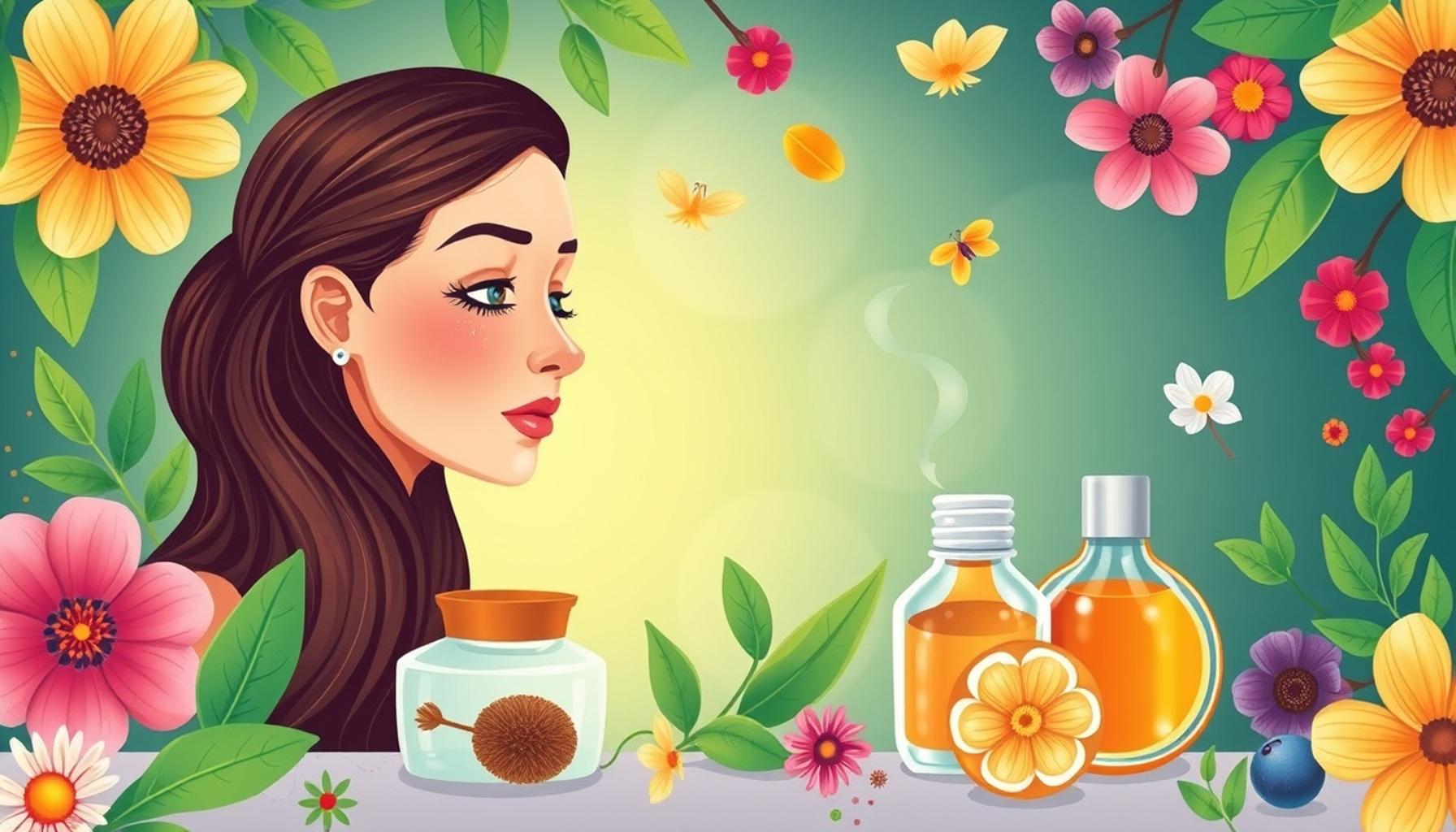
The Allure of Aromatherapy in Beauty Regimens
Aromatherapy has emerged as an essential element in the beauty industry, captivating consumers with its dual promise of aesthetic enhancement and emotional well-being. The utilization of natural ingredients and therapeutic scents not only elevates the beauty experience but plays an intricate role in influencing mood and promoting mental health. As consumers become increasingly aware of what they apply to their bodies, the demand for aromatherapy-infused beauty products continues to rise.
Understanding Essential Oils
At the heart of aromatherapy are essential oils, which are derived from various plants, flowers, and herbs. These oils contain potent properties that are not only beneficial for skin health but also have the ability to evoke emotional responses. For example, lavender oil is renowned for its calming effects, making it a popular choice for relaxation-focused beauty routines. In contrast, peppermint oil is invigorating, often incorporated in products aimed at energizing the user. Consumers can find essential oils in a plethora of products, from facial serums to body lotions, each offering its unique benefits.
The Art of Blending
Blending techniques in aromatherapy allow beauty professionals to curate customized products that target specific needs. By expertly combining different essential oils, a single product can promote relaxation while simultaneously providing hydration to the skin. A popular combination is eucalyptus and tea tree oil, known for its cleansing properties, which appeals to consumers seeking a balance between emotional stability and skin clarity. This personalized approach engages users, inviting them to take part in their beauty regimen actively.
The Sensory Experience
Moreover, the sensory experience of aromatherapy cannot be understated. The power of scent often triggers vivid memories and feelings, transforming a mundane beauty routine into a therapeutic ritual. For instance, the smell of citrus oils, such as bergamot or lemon, can uplift one’s mood and create an atmosphere of positivity. This connection between scent and emotion challenges the traditional confines of beauty, urging consumers to consider how their products influence both outward appearances and inner well-being.
As the trend of holistic approaches to beauty gains momentum, brands across the United States are beginning to adopt these practices, focusing on natural ingredients that not only beautify but also offer healing properties. This shift towards transparency in ingredient sourcing is not just a marketing strategy; it signifies a deeper relationship between consumers and the products they choose.
The Emotional Impact
Delving deeper into the emotional effects of aromatherapy unveils a compelling narrative about how these natural elements impact our mental state and beauty practices. Research suggests that engaging in beauty routines infused with aromatherapy can lead to reduced stress levels and increased feelings of happiness. Brands that prioritize the emotional connection between consumers and their products are leading the charge in the beauty industry. This emerging paradigm invites users to explore how their beauty rituals can become avenues for emotional fulfillment.
In conclusion, the incorporation of aromatherapy within beauty patterns signifies a significant cultural shift towards the importance of mental well-being in aesthetic enhancement. As the bond between nature and science deepens, consumers are encouraged to investigate the myriad effects that scents have on both mind and body, paving the way for a more holistic approach to beauty.
DISCOVER MORE: Click here to enhance your skincare routine
Unlocking the Benefits of Aromatherapy in Beauty
The integration of aromatherapy into the beauty industry signifies a transformative shift, where emotional well-being harmonizes with physical enhancement. One of the key aspects of this evolution is the way natural ingredients serve not only as functional components but as emotional allies in beauty products. Consumers are becoming more discerning, seeking brands that harness the power of nature while considering the psychological benefits of aromatherapy.
The Role of Scent in Beauty Routines
Scent plays a crucial role in enhancing the overall beauty experience. When applied in beauty routines, specific aromas can encourage feelings of relaxation, invigoration, or even nostalgia, which often influences purchasing decisions. Key essential oils and their benefits include:
- Lavender Oil: Known for its calming properties, lavender is widely used in skin products to reduce stress and promote a sense of peace.
- Eucalyptus Oil: Renowned for its refreshing scent, eucalyptus can enhance concentration while also providing antiseptic qualities.
- Rose Oil: This luxurious oil not only hydrates the skin but also evokes feelings of love and compassion, making it a staple in premium beauty formulations.
- Lemon Oil: Its brightening properties extend beyond the skin, as it uplifts mood and energizes the senses.
Through these options, consumers can tailor their beauty rituals to suit their mood and needs, effectively bridging the gap between self-care and emotional stability.
Mind-Body Connection: The Science Behind Aromatherapy
The positive emotional effects derived from essential oils are not merely anecdotal. Scientific research has begun to unveil how aromatherapy affects the brain’s limbic system, the area responsible for emotion. Studies indicate that inhaling specific scents can trigger the release of neurotransmitters that enhance emotional health, making the incorporation of these oils in beauty products a powerful tool for psychological wellness. As these findings become more widely accepted, beauty brands are beginning to invest in aromatherapy research to optimize product formulations that not only beautify but also heal.
Consumer Demand for Transparency
With increasing awareness comes heightened demand for transparency in ingredient sourcing. Consumers are now gravitating toward brands that use ethically sourced and sustainably produced natural ingredients, questioning the authenticity of synthetic fragrances that often replace essential oils. This demand has prompted many companies to reformulate their products, resulting in a surge of options that are not only beneficial for the skin but also grounded in ethical practices.
The shift towards holistic beauty is gaining momentum, and brands are embracing this movement by promoting unique blends that reflect both the sensory and emotional advantages of aromatherapy. As the understanding of the connection between beauty and mental well-being deepens, consumers are encouraged to explore how scents can transform their skincare and self-care routines.
The influence of aromatherapy in the beauty industry has transcended mere scent; it has become a pivotal aspect of product formulation that harnesses the therapeutic qualities of natural ingredients. Aromatherapy taps into the potential of essential oils derived from plants, promising not just physical benefits but also emotional upliftment. The emotional effects of these natural compounds are profound and can significantly impact consumer choices in beauty products.As consumers increasingly seek holistic approaches to self-care, the beauty industry is responding with a growing assortment of products infused with essential oils known for their calming, uplifting, or energizing properties. For example, lavender oil, renowned for its relaxing qualities, is frequently incorporated into skincare and bath products to alleviate stress and promote restful sleep. In contrast, citrus oils, like lemon and orange, are celebrated for their invigorating properties, delivering a refreshing boost to mood while enhancing skin vitality.Moreover, the concept of “aromatic synergy” has gained traction, where a blend of different oils produces effects greater than the sum of their individual components. This notion encourages brands to craft unique blends aimed at targeting specific emotional needs, such as stress relief or increased focus. By integrating these natural ingredients, companies not only address the physical attributes of beauty but also acknowledge the consumer’s emotional journey.Additionally, the science behind aromatherapy is becoming more evident as studies reveal how certain scents can stimulate the limbic system, the part of the brain responsible for emotions and memory. This scientific backing facilitates a deeper understanding of why certain scents resonate with consumers and enhances the marketing narrative around products. Employing natural ingredients and emphasizing their emotional effects enables brands to carve a niche in an overcrowded market, attracting consumers who prioritize well-being alongside beauty. As a result, aromatherapy is not just an emerging trend; it is reshaping the industry by fostering a new consciousness where beauty is intrinsically linked to emotional health. This holistic view invites consumers to explore a profound relationship with beauty products, leading them to embrace a world where emotional well-being plays a central role in their beauty regimes. By focusing on these naturally derived solutions, the industry is set to evolve, encouraging innovative formulations and a recognition of the emotional impact beauty products can wield. Consequently, consumers are not only purchasing a cosmetic item but also an experience that nurtures their emotional landscape, thus blending wellness with beauty in an unprecedented manner.
DISCOVER MORE: Click here for insights on the future of skin rejuvenation
The Emotional Spectrum: Aromatherapy’s Influence on Beauty Products
As consumers navigate an increasingly chaotic world, the integration of aromatherapy in beauty products offers a refreshing sanctuary for emotional relief. This necessity has encouraged brands to craft products that extend beyond the traditional roles of skincare, merging beauty with holistic wellness. Aromatherapy is not just a trend; it’s becoming a vital component of how we perceive and engage with beauty on a deeply personal level.
The Scent of Healing: Essential Oils and Their Emotional Impact
Within the realm of aromatherapy, the emotional effects of essential oils extend far beyond the surface of skin-deep beauty. A growing body of research highlights how specific scents can provoke profound emotional responses, providing innovative solutions to modern-day stressors. For example:
- Chamomile Oil: Often associated with relaxation, chamomile is not only effective in soothing skin irritations but also in alleviating anxiety, making it a popular choice in nighttime skincare routines.
- Peppermint Oil: Cooling and invigorating, peppermint has been shown to enhance mental clarity and alertness, perfect for morning rituals or post-workout recovery.
- Ylang Ylang Oil: Commonly used in perfumes, this floral oil is believed to promote feelings of joy and happiness, which aligns beautifully with the decadent scents consumers seek in beauty products.
This powerful emotional connection to scent allows consumers to cultivate their skincare experiences, selecting fragrances that resonate with their feelings and aspirations. The ritual of applying beauty products infused with essential oils has the potential to uplift, energize, or comfort, adding layers of meaning to everyday routines.
Innovation in Product Formulation: Infusing Aromatherapy into Beauty
Brands are increasingly recognizing the value of aromatherapy in product formulation, paving the way for innovative products that offer both emotional and physical benefits. The synergy between natural ingredients and psychological well-being is at the forefront of many new launches. Companies are actively blending essential oils with other plant-based ingredients to create a harmonious balance. For instance, citrus-infused serums combine lemon oil with vitamins and antioxidants, designed not only to illuminate the complexion but also to energize the mind.
Furthermore, the introduction of “functional fragrances” has emerged, where beauty products are infused with specific essential oils tailored to address common emotional states. For example, stress-relief sprays or hydrating mists often contain a blend of calming and uplifting scents, targeting both skin hydration and emotional regulation.
The Role of Aesthetic Experience
Beyond the scents themselves, the aesthetic presentation of aromatherapy-infused beauty products plays a pivotal role in enhancing consumer experience. Packaging that reflects the calming nature of the product can significantly affect consumer perception and connection. For example, brands are adopting soft colors, minimalist designs, and eco-friendly materials that resonate with a sense of tranquility. This visual harmony can amplify the emotional resonance of the product, leading to a holistic sensory experience.
As brands continue to explore the fusion of nature, science, and emotional health, the beauty industry stands at the edge of a renaissance. Aromatherapy is more than a simple ingredient—it is a pathway leading consumers to a deeper understanding of self-care, amplifying the connection between emotional well-being and beauty routines.
DISCOVER MORE: Click here to learn why hydration matters
Conclusion: The Transformative Power of Aromatherapy in Beauty
In a world where beauty and wellness are increasingly interlinked, aromatherapy has emerged as a game-changer in the beauty industry. By harnessing the emotional power of essential oils, brands are not only providing skincare solutions but are also encouraging consumers to embark on a holistic journey of self-care. The incorporation of scents like chamomile for relaxation and peppermint for invigoration exemplifies how natural ingredients can cater to emotional needs while addressing physical skin concerns.
This growing trend towards natural ingredients reflects a wider consumer desire for authenticity and mental well-being in beauty products. As creators continue to innovate with “functional fragrances” that align with specific emotional outcomes, the beauty industry is setting a new standard—one that prioritizes emotional health alongside aesthetic beauty. The visual presentation of these products further enhances the experience, creating a full sensory package that can uplift moods and cultivate tranquility.
The influence of aromatherapy is not only reshaping how we perceive beauty but also how we engage with our own self-care rituals. As more consumers recognize the profound effects of scent on emotional well-being, this harmonious blend of beauty and aromatherapy is likely to continue proliferating. This intersection opens the door for ongoing exploration, prompting consumers and brands alike to seek deeper connections to the products in their lives. Ultimately, understanding and embracing these emotional effects can lead to more mindful beauty practices, encouraging a holistic approach to self-expression and wellness.