
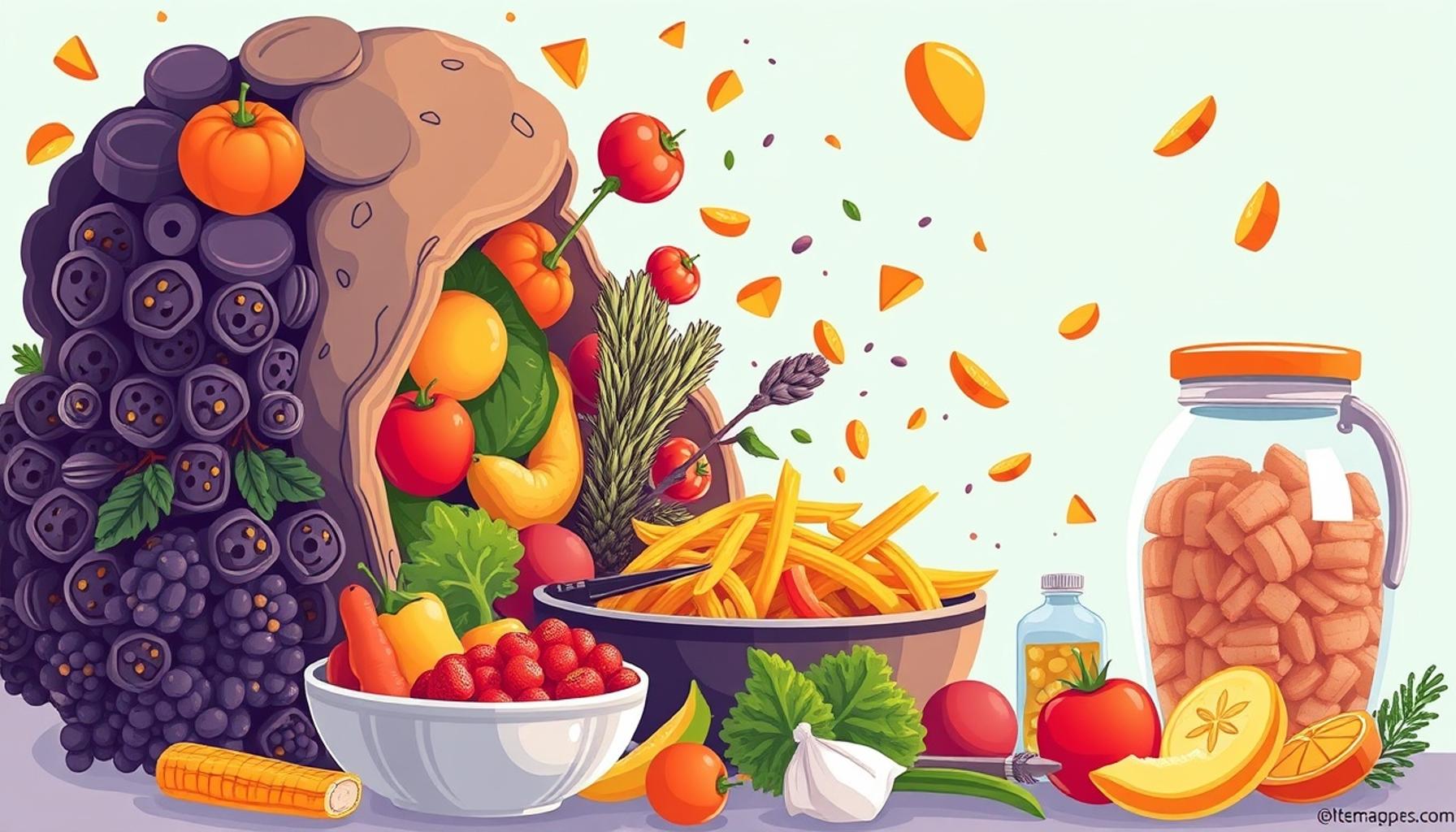
The Importance of Nutrition for Your Skin’s Health
Your skin serves as a telltale indicator of your overall health, functioning as both a barrier and a canvas that reveals the effects of your internal well-being. Nutrition plays an essential role in this equation; the foods you consume can significantly influence your skin’s vitality and resilience. With the right dietary choices, you can enhance your skin’s appearance while promoting long-term health. Conversely, poor nutritional habits can detract from your skin’s beauty and health.
Key nutrients crucial for optimal skin health include:
- Vitamins A, C, and E: These vitamins provide a robust defense against oxidative stress, which can lead to cell damage. Vitamin A is critical for skin cell production, helping to keep skin smooth and free from blemishes. Vitamin C aids in collagen synthesis, which is vital for skin elasticity, while Vitamin E protects skin cells from environmental damage.
- Omega-3 fatty acids: Found in fish, flaxseeds, and walnuts, these essential fatty acids are vital for maintaining the skin’s barrier function. They help keep the skin moisturized and play a significant role in reducing inflammation, which can exacerbate skin conditions like acne and eczema.
- Hydration: Beyond just drinking enough water, hydration comes from eating water-rich foods such as cucumbers, oranges, and spinach. Adequate fluid intake is crucial for maintaining skin plumpness and preventing dryness and flakiness.
In your pursuit of glowing skin, it is essential to recognize that dietary choices can both uplift and undermine your skin’s health. Diets laden with processed sugars and unhealthy fats can lead to a slew of skin issues, including:
- Increased acne: High-glycemic foods can spike insulin levels, leading to increased oil production and clogged pores.
- Premature aging: Diets low in antioxidants and healthy fats can accelerate the formation of wrinkles and fine lines.
- Loss of elasticity: Insufficient nutrients can deteriorate the skin’s structural foundation, contributing to sagging and a loss of firmness.
As you delve deeper into the dynamics of nutrition and skin health, you may be surprised to find that even small dietary adjustments can yield significant improvements. Consider incorporating more fruits, vegetables, whole grains, and healthy fats into your meals. Research indicates that diets rich in antioxidants, such as those found in berries and leafy greens, can foster a brighter complexion.
Understanding this connection is crucial for anyone aspiring to enhance their skin’s condition while promoting an overall healthier lifestyle. The journey toward radiant skin may start with a single meal, making the exploration of nutrition a fascinating and beneficial endeavor.
DIVE DEEPER: Click here to discover more about nutrition and skin aging
The Role of Essential Nutrients in Skin Vitality
Nutrition acts as the foundation upon which skin health is built. Each nutrient plays a unique role, contributing not only to the overall appearance of your skin but also to its ability to function properly. To better understand how nutrition directly affects your skin, let’s delve into some critical nutrients and their benefits.
Vitamins and Their Impact on Skin Quality
Among the various nutrients that support skin health, vitamins are of paramount importance. The trio of Vitamins A, C, and E stands out for their powerful antioxidant properties. These vitamins protect the skin from environmental stressors, such as UV radiation and pollution, which can lead to premature aging and skin damage.
- Vitamin A: Known for its role in promoting healthy skin cell turnover, Vitamin A can be found in foods such as carrots, sweet potatoes, and spinach. This vitamin helps to smooth the skin’s texture and reduce the appearance of fine lines.
- Vitamin C: Essential for collagen production, Vitamin C also acts as a potent antioxidant. Citrus fruits, berries, and bell peppers are excellent sources. Regular intake of Vitamin C has been linked to improved skin radiance and firmness.
- Vitamin E: Often hailed for its moisturizing properties, Vitamin E can be sourced from nuts, seeds, and green leafy vegetables. This vitamin helps protect skin cell membranes and supports healing processes, making it vital for recovering from skin damage.
The Importance of Healthy Fats
Another critical component of skin nutrition lies in healthy fats, particularly Omega-3 fatty acids. These essential fats are integral to maintaining skin hydration, reducing inflammation, and promoting an overall healthy skin barrier. Fatty fish, walnuts, and chia seeds are excellent sources of Omega-3s. Research indicates that diets rich in Omega-3s can lead to a reduction in skin conditions such as acne and psoriasis by helping to regulate sebum production and soothe inflammatory responses.
The Hydration Factor
In addition to specific nutrients, hydration is crucial for skin health. While drinking water is vital, incorporating water-rich foods into your diet can significantly enhance your hydration levels. Foods like cucumbers, oranges, and celery not only quench your thirst but also provide essential vitamins and minerals. Proper hydration contributes to skin elasticity and plumpness, reducing the appearance of dryness and fine lines.
Interestingly, maintaining a well-rounded diet can also have a profound impact on your skin’s natural glow. While it may be tempting to reach for processed snacks or sugary treats, these choices can lead to inflammation and skin blemishes. Thus, a balanced diet enriched with nutrient-dense foods can foster a healthy complexion and even help to avert common skin afflictions.
As you explore the connection between nutrition and skin health, it may be enlightening to make incremental dietary changes. Focusing on whole foods, such as fruits, vegetables, lean proteins, and whole grains, can initiate a positive transformation in your skin’s health and appearance. Each bite you take can pave the way for not just a beautiful complexion but a healthier you.
Understanding the Impact of Nutrition on Skin Health
Nutrition plays a pivotal role in maintaining the health and appearance of our skin. While many individuals are aware of the visible impacts of diet on skin conditions like acne or dryness, the complex relationship between nutrition and skin health encompasses a broader spectrum, influencing everything from inflammation to aging signs.
Key Nutrients for Radiant Skin
To nourish our skin effectively, it’s crucial to integrate a variety of nutrients into our diets. The primary nutrients linked to healthy skin include:
- Vitamins: Vitamins A, C, D, and E have essential roles in skin maintenance. For instance, Vitamin C is a powerful antioxidant that helps protect skin cells from damage and aids in collagen production.
- Omega-3 Fatty Acids: Found in fish, flaxseeds, and walnuts, these fats help reduce inflammation and keep the skin hydrated.
- Antioxidants: Foods rich in antioxidants, such as berries and spinach, fight free radicals that can lead to premature aging and skin damage.
- Hydration: Consuming adequate water and hydrating foods like cucumbers and oranges is crucial for maintaining skin elasticity and preventing dryness.
Dietary Patterns to Consider
Emerging research suggests that certain dietary patterns can enhance skin health. For instance, the Mediterranean diet, which emphasizes fruits, vegetables, whole grains, and healthy fats, has been associated with reduced skin conditions such as acne and psoriasis. Conversely, high sugar and processed food intake may exacerbate inflammation, leading to skin issues.Adopting mindful eating habits and focusing on a diversified intake can significantly benefit skin vitality. Enriching meals with nutrient-dense ingredients not only supports overall health but can also translate to clearer, more radiant skin. As we navigate the complexities of nutrition and skin health, it becomes essential to explore suitable dietary adjustments.
DISCOVER MORE: Click here to learn about the latest natural ingredients for your skin
The Influence of Minerals and Antioxidants
While vitamins and healthy fats play a core role in skin nutrition, minerals are equally essential for maintaining skin vitality. Minerals such as zinc, selenium, and copper not only contribute to skin health but also play roles in wound healing and skin regeneration.
Zinc: The Skin Healer
Zinc is vital for cell reproduction and repair, which is crucial for maintaining healthy skin. Found in foods like oysters, beef, pumpkin seeds, and chickpeas, zinc also helps to control oil production and reduce inflammation. Clinical studies have indicated that a deficiency in zinc can lead to skin issues, including acne and slow healing of wounds. By including zinc-rich foods in your diet, you can promote faster healing and enhance your skin’s appearance, particularly if you’re prone to breakouts.
Selenium: Protection Against Damage
Selenium, an antioxidant mineral, is found in foods such as Brazil nuts, seafood, and mushrooms. It plays a critical role in protecting the skin from oxidative stress caused by free radicals. Research has shown that adequate selenium levels can help prevent skin cancer and improve skin elasticity, providing a natural barrier against the ravages of sun exposure and environmental pollutants. By safeguarding your skin from cellular damage, selenium can keep your complexion looking youthful and vibrant.
The Power of Antioxidants
Beyond vitamins and minerals, antioxidants are essential in the fight against skin aging. Foods rich in antioxidants, such as berries, green tea, and dark chocolate, can protect skin cells from free radical damage—a leading cause of skin aging. Flavonoids found in dark chocolate and catechins in green tea have been shown to improve skin hydration and texture, while also providing anti-inflammatory benefits. Consuming these antioxidant-rich foods can result in a clearer complexion and a more vibrant, resilient skin tone.
Balancing Blood Sugar for Clear Complexion
A diet high in refined carbohydrates and sugars can have detrimental effects on your skin health. Such foods can lead to spikes in insulin and multiple hormonal fluctuations, potentially resulting in increased oil production and acne breakouts. Incorporating low-glycemic foods, such as whole grains, legumes, and most fruits, can help stabilize blood sugar levels and may reduce the likelihood of skin flare-ups. Studies have indicated that individuals who switch to a lower-glycemic diet often experience less severe acne and improved overall skin clarity.
Gut Health: The Unseen Player
Emerging research has begun to highlight the relationship between gut health and skin health. A healthy gut microbiome, supported by a diet rich in probiotics and prebiotics, can have profound effects on conditions such as eczema and rosacea. Foods like yogurt, sauerkraut, and fibrous fruits and vegetables can help maintain balanced gut flora, which is increasingly recognized as crucial for reducing inflammation that manifests on the skin’s surface. The gut-skin axis may not yet be a household term, but its implications for healthy skin are certainly captivating.
Ultimately, the pathway to luminous skin extends beyond topical treatments and into what you choose to put on your plate. With each nutrient playing a significant role, exploring options that enrich your diet can pave the way to achieving your desired skin health goals. By prioritizing nutrient-dense foods, you are not only nourishing your skin but your entire body, leading to a comprehensive approach to wellness.
DISCOVER MORE: Click here to learn how nutrition impacts skin aging
Conclusion: Embracing Nutrition for Radiant Skin
In summary, the profound connection between nutrition and skin health cannot be overstated. Each nutrient, from essential vitamins and healthy fats to vital minerals and antioxidants, plays a unique role in contributing to a vibrant and resilient complexion. Incorporating nutrient-dense foods into your diet not only strengthens your skin’s defenses against environmental damage but also supports the healing processes crucial for maintaining a clear and youthful appearance.
As we’ve explored, elements like zinc and selenium are vital in protecting our skin against inflammatory conditions, while the power of antioxidants shields against the inevitable aging process. Moreover, balancing blood sugar through a low-glycemic diet can significantly reduce the occurrence of skin flare-ups, ultimately promoting a healthier complexion. The importance of gut health further emphasizes the need for a holistic approach; nurturing our microbiome holds the potential for transformative effects on conditions such as eczema and acne.
By recognizing the impact of what we consume on our skin, we empower ourselves to make informed dietary choices that enhance not just our skin’s appearance but our overall well-being. As the saying goes, “you are what you eat.” Taking steps toward a more balanced and nutritious diet can pave the way for a radiant complexion that shines from within, encouraging us all to delve deeper into the fascinating relationship between nutrition and skin health. Explore, experiment, and embrace these dietary changes to unveil your best skin yet.