
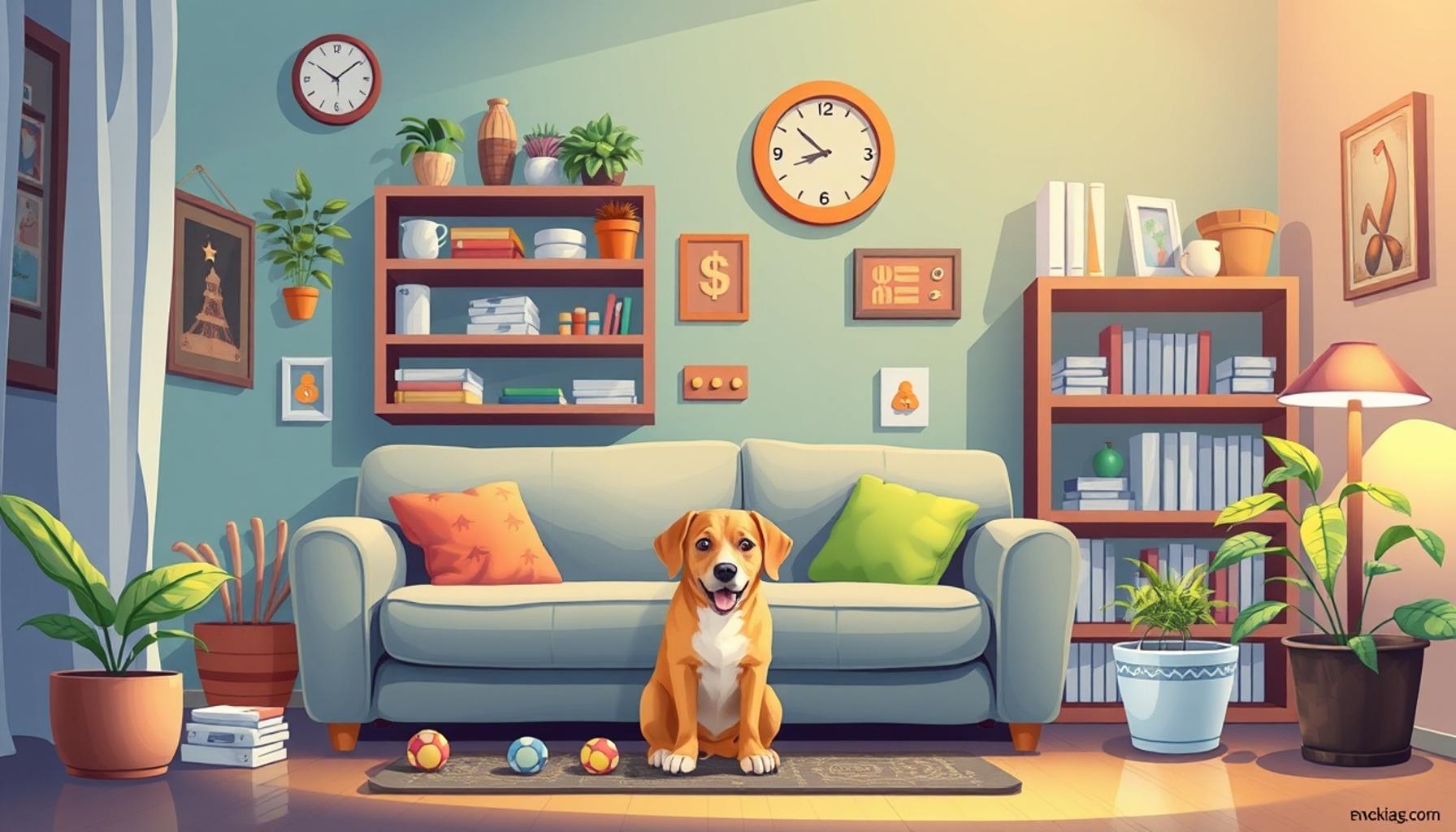
Creating a Home for Your Furry Friends
Every pet owner wants to provide a nurturing home where their animals can thrive. A safe and stimulating environment is crucial for the physical and mental well-being of your pets. The right setup can prevent accidents and boredom, encouraging healthy habits and behaviors. Creating such an environment not only enriches your pet’s life but also strengthens the bond between you and your furry companions.
Key Considerations
When designing your pet-friendly space, keep these essential elements in mind:
- Safety First: Always prioritize the safety of your pets by eliminating potential hazards in your home. This includes removing toxic plants, such as lilies and philodendrons, which can be harmful if ingested. Additionally, secure heavy furniture to prevent tipping and hide electrical cords to avoid dangers of chewing. Safety gates can help limit access to stairs or off-limit areas, ensuring a secure space for your pets.
- Comfort Zones: Pets need their haven where they can relax and feel secure. Create cozy resting areas with soft bedding, blankets, and an array of toys that stimulate their senses. Cats love enclosed spaces like pet tents or boxes, while dogs often enjoy a corner with their favorite blanket. Maintaining a calm atmosphere not only enhances their comfort but also promotes relaxation and reduces anxiety.
- Interactive Spaces: Incorporate features that engage your pets’ natural instincts. Scratching posts for cats, climbing structures, or puzzle toys that dispense treats can peak their curiosity and encourage play. For dogs, consider chew-proof toys and activity stations where they can run, jump, and explore. Enriching their environment with toys that promote physical and mental activity can decrease destructive behaviors and enhance overall happiness.
Incorporating these features not only enhances safety but also fuels your pet’s natural curiosity. A well-thought-out environment can dramatically improve your pet’s quality of life, giving them the opportunity to thrive in their surroundings. Whether you have a curious kitten or an energetic puppy, understanding their needs can lead to a fulfilling companionship. Research shows that engaged pets are less likely to face behavioral issues, making interactions more enjoyable for both pet and owner.
Building a Bond
A constructive atmosphere fosters a strong bond between you and your pet. When you engage with them in a safe, stimulating environment, you create numerous shared experiences. Regularly spending time in these areas not only provides physical interaction but also enhances emotional connections. Simple day-to-day activities like playtime, training sessions, or cuddle time in their dedicated spaces can lead to cherished moments and mutual trust.
This helpful guide will explore how to make your home a haven for your furry family members. By taking thoughtful steps to create a pet-friendly space, you not only enhance their lives but also create a joyful atmosphere that promotes health, safety, and companionship. Consider exploring local pet stores or researching online for additional resources and ideas that can help transform your home into a true sanctuary for your beloved animals.
DIVE DEEPER: Click here to discover the latest trends
Designing a Pet-Friendly Space
To create a safe and stimulating environment for your pet, it’s crucial to assess your living space from their perspective. This means not only recognizing potential dangers but also understanding their natural behaviors and instincts. Each species has unique needs, and tailoring your home to accommodate these can significantly enhance their happiness and health.
Understanding Your Pet’s Needs
Every pet has different requirements based on their species, age, and personality. For instance, young, active dogs often need more space to roam and play, while older pets may prefer a quieter, more relaxed environment. Consider the following factors when optimizing your home for your furry friends:
- Breed Characteristics: Different breeds have varied temperaments and energy levels. High-energy breeds like Border Collies or German Shepherds require ample physical activity and mental stimulation, whereas smaller or more sedentary breeds may thrive in a relaxed setting.
- Age Considerations: Puppies and kittens, while energetic and curious, benefit from spaces that allow safe exploration. Conversely, older pets may appreciate easily accessible resting areas without stairs or obstacles that could pose a challenge.
- Individual Personalities: Just like people, pets have their unique preferences. Some cats enjoy climbing and perching atop cat trees, while others may favor secretive spots to retreat. Similarly, dogs can range from social butterflies to shy companions requiring personal space.
Once you grasp these considerations, the next step is to integrate them into your home design. A good rule of thumb is to create various zones that cater to different activities—resting zones, play areas, and interactive corners. This zoning allows pets to choose where they feel most comfortable during various times of the day.
Creating Engaging Activities
A vibrant environment should incorporate activities that engage your pets both physically and mentally. Investing in a variety of interactive toys, such as puzzle feeders or chew toys, can stimulate their curiosity while also preventing boredom. Research shows that mental challenges can lead to improved cognitive function and overall behavioral health in pets. For example:
- For Dogs: Consider toys that dispense treats when solved or agility equipment like tunnels and jumps to promote physical exercise.
- For Cats: Engage their hunting instincts with feather wands and laser pointers, or provide climbing spaces with shelves and cat trees.
In addition to toys, establishing a routine helps pets feel secure and engaged. Schedule interactive play sessions each day, and incorporate training exercises to reinforce good behavior while enhancing the bond between you and your pet.
Ultimately, the key to successfully designing a safe and stimulating environment lies in observation and adaptation. By understanding your pet’s specific needs and preferences, you can create a welcoming space that promotes their health and happiness, ensuring that your home becomes a true sanctuary for your pets.
Creating a Safe Haven for Your Furry Friends
One of the most critical aspects of ensuring pet safety at home is to conduct a thorough evaluation of your living space. It begins with identifying potential hazards. This includes securing loose wires, removing toxic plants, and locking away chemicals or medications that your pets may find interesting. Implementing childproof locks on cupboards and cabinets is an excellent strategy to prevent your pets from accessing harmful items. Additionally, consider installing gates to limit access to stairs or other potentially dangerous areas, creating a safer atmosphere for your pet to explore.
Stimulating Your Pet’s Mind and Body
A safe environment is not solely about hazard management; it’s also about enrichment. Providing an array of toys that challenge your pet physically and mentally can greatly enhance their quality of life. Puzzle toys, for instance, can stimulate your pet’s brain while providing a rewarding experience. Regular playtime fosters a bond between you and your pet and helps alleviate boredom-related behaviors. Try to incorporate a routine of interactive play sessions, employing various toys that ignite your pet’s natural hunting instincts, such as feather wands or laser pointers.
Designing a Pet-Friendly Space
Consider creating designated areas that cater specifically to your pet’s needs. Comfort zones, like a cozy bed, a dedicated feeding area, and a safe space for play, not only keep pets engaged but also minimize stress. Using soft mats or bedding helps reduce anxiety and makes for a relaxed environment. Furthermore, a space enriched with climbing structures or scratching posts can satisfy your pet’s natural behaviors, especially in cats.
Embracing a Sustainable Environment
Moreover, incorporating eco-friendly and pet-safe materials into your home décor aligns with creating a safe zone. Use organic products for cleaning to ensure your pets are not exposed to harmful chemicals. Non-toxic paints, recyclable materials, or sustainable furnishings can contribute not only to a safer habitat but also to the wellbeing of the planet. By keeping safety and stimulation at the forefront while creating a nurturing environment for your pet, you’re building a home where your furry friends can thrive. The thoughtful arrangement of living spaces and engaging activities will not only secure their safety but also enhance their quality of life, ensuring happy and healthy companions for years to come.
| Safety Measures | Benefits |
|---|---|
| Securing hazardous items | Protects pets from accidental poisonings |
| Creating interactive play zones | Enhances mental stimulation and prevents boredom |
DISCOVER MORE: Click here to learn how to choose the perfect pet for your home
Enhancing Comfort and Safety
Beyond creating an engaging space, it’s essential to prioritize comfort and safety in your home for your pets. This involves deciding suitable furniture, selecting pet-safe materials, and keeping hazardous substances out of reach. A few thoughtful changes can greatly minimize risks while promoting a sense of security for your animals.
Choosing the Right Furnishings
Pets often become part of the family, and as such, their comfort should be a primary concern when selecting furnishings. Opt for materials that are resistant to scratches, stains, and odors, ensuring that your home remains welcoming for both humans and pets. Some tips include:
- Pet-Friendly Fabrics: Look for upholstery materials like microfiber or leather, which are easier to clean and less prone to trapping odors. Avoid delicate fabrics like silk or those with intricate weaves that pets could easily damage.
- Designing Safe Spaces: Create pet-friendly zones by using rugs or mats that are machine washable. Not only do these add comfort, but they also provide a non-slip surface that can prevent accidents.
- Avoiding Hazardous Furniture: Be cautious of furniture with sharp edges or small parts that could pose choking or injury risks. Additionally, prioritize furniture that is low enough for pets to jump on and off safely, reducing the risk of falls.
Creating a Secure Environment
Keeping your home free from hazards is crucial for maintaining a safe space for your pets. Start by evaluating your home for potential dangers, and make necessary changes:
- Storing Chemicals and Medications: Keep cleaning supplies, medications, and any toxic substances in locked cabinets or high shelves. Many common household items such as chocolate, grapes, and certain plants are toxic to pets, so be informed about what to avoid.
- Securing Cords and Wires: Electrical cords can be a tempting chew toy for pets, posing an electrocution hazard. Use cord protectors or discreetly tape down cords to minimize risks.
- Identifying Escape Routes: Check windows and doors to ensure they are securely closed. Installing screens can prevent cats and small dogs from attempting to leap from high places, keeping your pets safe indoors.
Creating a Calming Atmosphere
Aside from comfort and safety, enhancing your pet’s environment to promote relaxation is another vital element of creating a safe and stimulating home. Pets, like humans, can experience stress and anxiety. Here are a few suggestions to cultivate a calming atmosphere:
- Designating Quiet Zones: Create areas where pets can retreat to feel secure, especially during noisy events like thunderstorms or fireworks. Use comfortable beds in these spaces, allowing your pets a safe haven to monitor their environment from a safe distance.
- Incorporating Aromatherapy: Some scents are known to calm pets—lavender, for example, has soothing properties. Consider using pet-safe essential oil diffusers to promote relaxation in high-stress times.
- Utilizing Soft Lighting: Bright lights can be overwhelming for some animals, leading to anxiety. Soft, warm lighting provides a more relaxing atmosphere that encourages a sense of calm.
By combining these elements into your home, you will not only provide a safe space but also a nurturing and stimulating environment. Through thoughtful design and considerate modifications, your home can become an oasis for your pets, enhancing their quality of life and deepening the bond you share.
LEARN MORE: Click here for tips on choosing the right veterinarian
Conclusion: Cultivating Harmony Between Home and Pet
In the journey of pet ownership, the foundation of a harmonious relationship rests heavily on the environment you create. As we have explored, establishing a safe and stimulating environment for your pets involves a multifaceted approach, effectively balancing comfort, safety, and mental engagement. By integrating pet-friendly furnishings, ensuring hazard-free spaces, and enhancing their surroundings with calming elements, you offer your furry companions not just a house, but a true home.
Beyond the practical aspects of pet-friendly designs, it is vital to recognize the emotional impact these spaces can have on your pets. A nurturing environment not only fosters their physical health but also plays a crucial role in their psychological well-being. Pets are sensitive to their surroundings, and taking the time to understand their needs can transform your home into a haven that reflects love and care.
As you implement these strategies, remember that each pet has its own personality and preferences. Spend time observing their behaviors and preferences, adjusting your approach to meet their unique needs. By doing so, you empower them to thrive while enhancing the bond you share. Ultimately, creating a safe and stimulating environment for your pet at home is not just about design; it’s about enriching their lives and embracing the joy they bring to yours. So, embark on this journey with an open heart and an inquisitive mind, and unlock the full potential of what a pet-friendly home can be.