
The Role of Veterinarians in Promoting the Mental Health of Pets
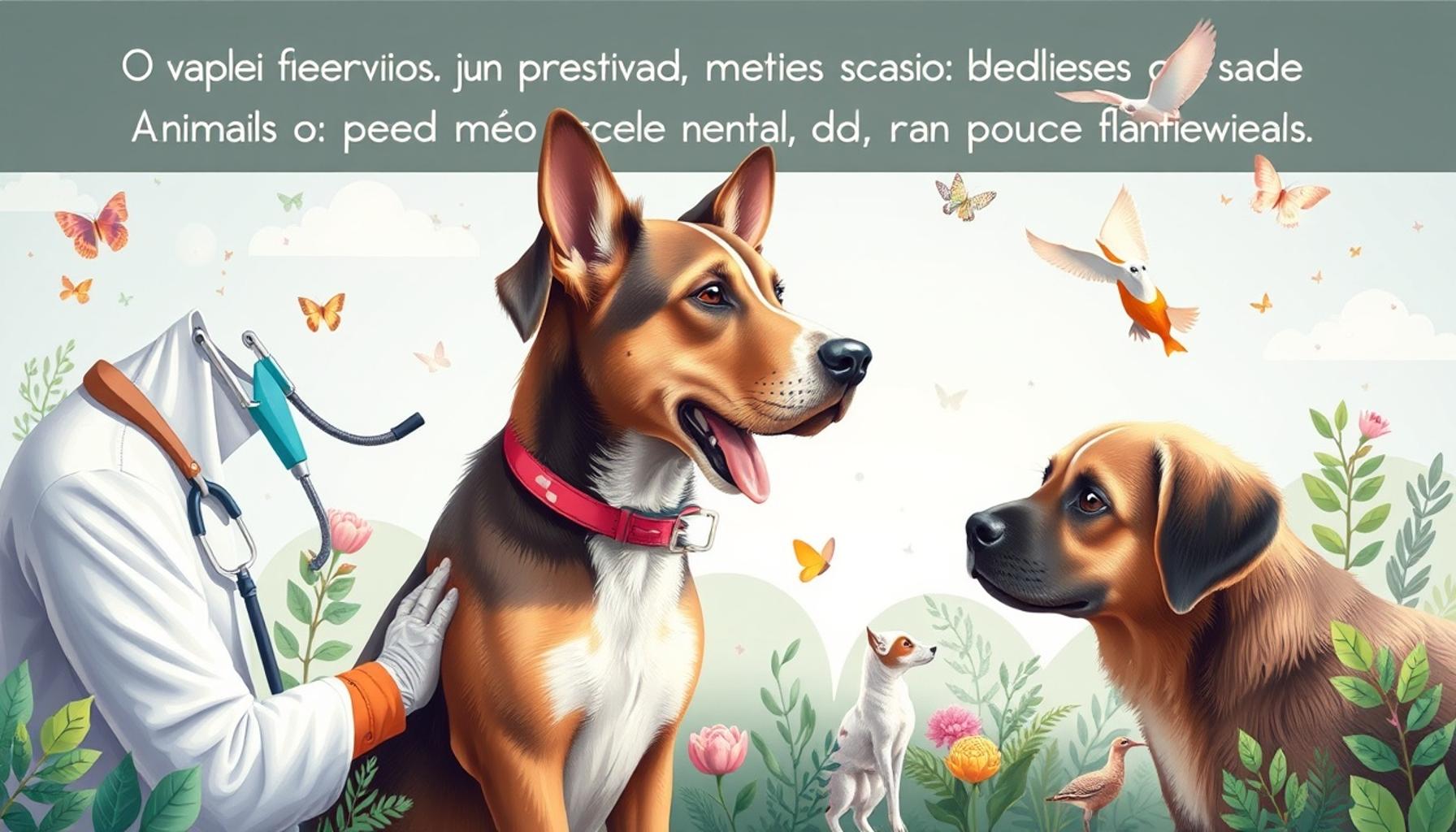
The Essential Role of Mental Well-Being in Pets
As pet owners, we often focus primarily on our furry friends’ physical health, ensuring they receive proper nutrition, exercise, and regular veterinary check-ups. However, their mental well-being is equally crucial to their overall quality of life. Just like humans, pets can experience stress, anxiety, and a range of behavioral issues that can profoundly affect their happiness and health. Understanding and addressing these mental health concerns is essential for fostering a lasting and fulfilling human-animal bond.
Veterinarians are not just healthcare providers; they are vital allies in advocating for mental health among pets. They possess specialized training that enables them to identify and manage various behavioral challenges that our companion animals may face. Here are some key ways in which veterinarians contribute:
- Conducting behavioral assessments: Through comprehensive evaluations, veterinarians can detect signs of mental distress in pets, such as excessive barking, destructive behavior, or withdrawal. Identifying these issues early can prevent them from escalating.
- Recommending environmental modifications: Veterinarians often suggest changes within the home environment to alleviate stress. This can include providing safe spaces for pets to retreat to, utilizing calming pheromone diffusers, or ensuring that there are adequate outlets for exercise and stimulation.
- Providing guidance on socialization and training techniques: Proper socialization is crucial for a pet’s mental health. Veterinarians can offer recommendations on effective training methods that promote positive behaviors, helping to reduce anxiety in various social settings.
Research from the American Veterinary Medical Association indicates that there is a profound connection between mental health and physical health in pets. A pet that is mentally stimulated and emotionally satisfied is less prone to engage in harmful behaviors and more likely to maintain good physical health. Pets suffering from anxiety may exhibit symptoms that lead to a multitude of health problems, such as obesity due to inactivity or gastrointestinal issues due to stress.
Moreover, by prioritizing mental health, veterinarians empower owners to develop stronger and more empathetic relationships with their pets. Improved mental health not only leads to happier pets but also fosters a deeper emotional connection between the animal and its owner. For example, dogs that have had proper socialization training are generally more pleasant companions, making outings to parks and public areas enjoyable rather than stressful experiences.
In conclusion, the importance of addressing mental health in pets cannot be overstated. Veterinarians play a pivotal role in guiding pet owners towards a more holistic approach to their animals’ well-being. By understanding the intricate relationship between mental states and overall wellness, pet owners can take proactive steps in ensuring a healthier, happier life for their cherished companions.
Understanding Behavioral Challenges in Pets
Veterinarians serve a crucial role in identifying and addressing behavioral issues that impact the mental health of pets. These professionals are trained not just to treat physical ailments but also to recognize the signs that indicate a pet may be struggling emotionally. Whether it’s a dog exhibiting signs of separation anxiety or a cat that is unusually aggressive, understanding the underlying causes of these behaviors is essential for effective intervention.
One of the first steps veterinarians take in promoting mental health is through comprehensive behavioral assessments. This involves observing the animal in various contexts and interacting with the pet owner to gather vital information about the pet’s history, environment, and lifestyle. With this detailed approach, veterinarians can pinpoint specific triggers that may contribute to a pet’s distress. Common behavioral issues observed in pets include:
- Separation Anxiety: Many pets experience intense anxiety when left alone, leading to destructive behaviors such as chewing furniture or excessive barking.
- Fear-Based Aggression: Some pets exhibit aggression in response to fear, which can pose risks to both the pet and those around it.
- Destructive Behavior: Boredom or lack of stimulation can lead pets to chew, dig, or otherwise damage their surroundings.
- Excessive Grooming: Pets may engage in compulsive grooming or licking, which can lead to skin irritations and injuries.
Once these behaviors are identified, veterinarians can guide pet owners towards appropriate solutions. This often includes recommending behavioral modification techniques or introducing training practices tailored to the pet’s specific needs. Additionally, veterinarians may suggest the involvement of professional trainers or behaviorists who specialize in addressing complex issues.
Another vital resource veterinarians offer is the implementation of environmental modifications that can significantly improve a pet’s mental state. Simple changes like creating designated resting areas, introducing interactive toys, or cultivating a more enriching environment can lead to a positive shift in behavior. For instance, a dog that has access to a safe, quiet space may feel more secure during stressful situations, while a cat provided with climbing structures may find appropriate outlets for their natural instincts.
Moreover, ongoing education is a pivotal part of what veterinarians provide. By sharing knowledge on topics such as the importance of socialization and routine exercise, veterinarians inform pet owners about how their actions influence the mental health of their pets. Engaging in regular playtime, introducing pets to different environments, and encouraging positive interactions with other animals can play essential roles in a pet’s emotional development.
Thus, veterinarians are indispensable in advocating for the mental health of pets. By recognizing and addressing behavioral challenges, they not only improve the lives of animals but also enhance the quality of the pet-owner relationship. A happy, mentally healthy pet not only creates joy in a household but also contributes to the overall well-being of the entire family.
| Advantage | Description |
|---|---|
| Emotional Support | Veterinarians provide essential emotional support to pet owners, alleviating anxiety related to their pets’ health. |
| Preventive Care | Regular check-ups and vaccinations help in preventing health issues, which in turn promotes a pet’s overall mental well-being. |
| Education on Pet Behavior | Veterinarians educate pet owners about behavioral signs of stress in pets, helping in early identification and intervention. |
| Support for Mental Health Issues | They can recognize and provide advice on managing mental health issues in pets, such as anxiety or depression. |
In the context of mental health, veterinarians play an essential role in promoting not only the physical health of pets but also addressing their emotional well-being. The importance of understanding a pet’s feelings can lead to better relationships between pets and their owners. As experts in animal health, veterinarians are uniquely positioned to provide critical insights into the signs of distress, enabling owners to foster a healthy and supportive environment for their beloved companions.Additionally, through regular health check-ups, veterinarians can facilitate conversations about health and behavioral trends, ensuring owners are aware of the potential impacts of stress and other emotional factors on their pets. Preventive care is not just about vaccinations; it also encompasses mental well-being, as a healthy pet is often a happier pet. By creating awareness around these issues, veterinarians contribute significantly to the overall mental health framework for pets.
The Integration of Veterinary Medicine and Mental Health Approaches
In recent years, the recognition of mental health as a fundamental aspect of pet wellness has paved the way for veterinarians to expand their role beyond traditional medical care. Integrative veterinary medicine acknowledges that a pet’s emotional well-being is intertwined with its physical health, leading to an array of holistic approaches tailored to support mental health.
One prominent avenue veterinarians are taking is the incorporation of behavioral therapies into standard veterinary practices. These therapies, such as desensitization and counter-conditioning, focus on gradually exposing pets to the situations or triggers that cause their anxiety, helping them to adapt and respond more positively over time. For instance, a veterinarian might recommend a gradual exposure program for a dog that becomes fearful during thunderstorms, allowing the pet to associate such sounds with comfort instead of fear.
A growing area of focus is the use of pharmacological interventions when necessary. Just as humans may benefit from medication to stabilize mood or alleviate anxiety disorders, pets can also benefit from similar treatments. Veterinarians are now more equipped than ever to prescribe medications that target emotional issues, helping to create an overall balance that allows for better behavioral responses. Medications, when used in conjunction with behavioral therapies, can create a comprehensive plan that addresses the pet’s needs on multiple levels.
Moreover, many veterinarians are becoming increasingly knowledgeable about nutritional psychiatry—the impact of diet on mental health. It’s understood that certain nutrients, such as omega-3 fatty acids, B vitamins, and antioxidants, can play crucial roles in mood regulation and cognitive function. Armed with this knowledge, veterinarians can guide pet owners in selecting diets that support mental well-being. For instance, some special therapies may promote the inclusion of specific fatty acids to help reduce anxiety levels in dogs and cats.
In addition to these strategies, veterinarians play a significant role in advocating for social connectivity among pets. An understanding of the value of companionship in maintaining mental health drives many veterinarians to encourage pet owners to consider adopting or fostering additional pets or engaging in regular playdates with other animals. Programs like “Pawtoberfest” or pet socialization events organized by local veterinary practices not only promote animal interaction but also provide educational resources to owners about fostering a supportive environment for their pets.
It’s essential to underline that the veterinary community is actively engaging in sharing vital information through educational workshops, social media, and community outreach. By effectively disseminating knowledge on recognizing signs of distress, veterinarians equip pet owners with the tools necessary to respond promptly and compassionately. For instance, campaigns that focus on the crucial importance of routine wellness check-ups highlight how preventative healthcare can identify and mitigate potential mental health issues before they escalate.
Ultimately, by embracing a multi-faceted approach to mental health, veterinarians foster a deeper understanding of how physical and emotional health are interdependent. This shift not only promotes the welfare of pets but also enhances the pet-owner relationship, ensuring that both parties thrive in a harmonious environment.
Conclusion
The evolving role of veterinarians in promoting the mental health of pets marks a significant shift in veterinary medicine, enhancing the overall well-being of our beloved companions. By integrating behavioral therapies, pharmacological interventions, and nutritional psychiatry, veterinarians are not only addressing physical ailments but also prioritizing the emotional needs of pets. This holistic approach acknowledges that true health transcends mere absence of illness; it encompasses the psychological well-being of animals as well.
Furthermore, initiatives that encourage social connectivity and community outreach highlight the importance of fostering companionship and understanding among pet owners. Through educational workshops and social media campaigns, veterinarians empower owners to recognize signs of distress and to respond with compassion and care. Such efforts create a more informed pet-owner community, leading to healthier, happier pets who thrive in supportive environments.
As pet ownership continues to rise across the United States, and the societal perspective on animal mental health evolves, the veterinary profession stands at the forefront, ready to guide owners towards comprehensive wellness practices. Embracing this multi-faceted approach not only enhances the relationship between pets and their humans but also lays the foundation for a future where every pet can enjoy a life filled with joy, stability, and mental well-being. It is incumbent upon both veterinarians and pet owners to work collaboratively, championing the mental health of pets as a vital component of responsible pet care.