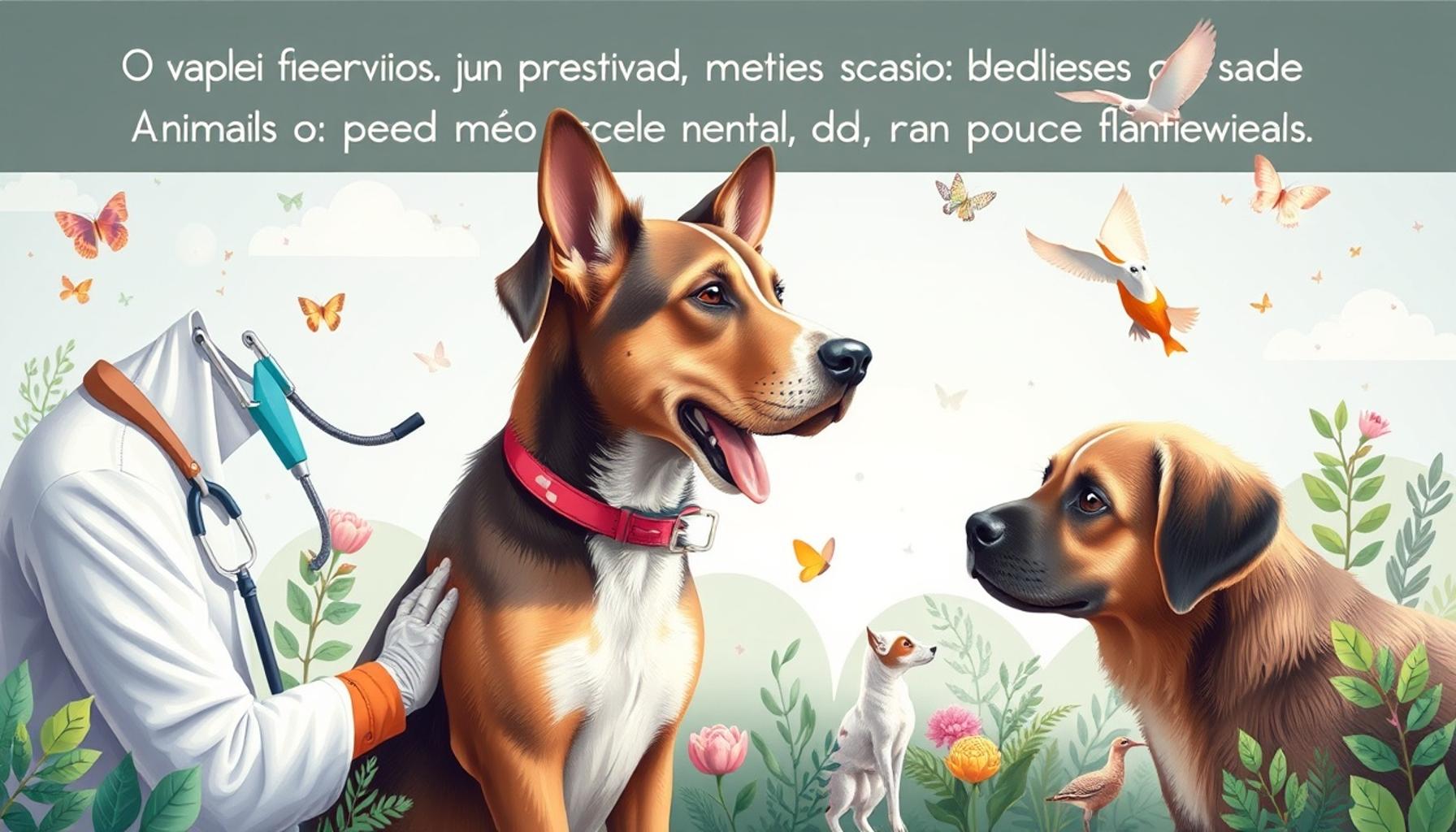
The Impact of Behavioral Medicine on the Relationship between Pets and Their Owners

Understanding the Role of Behavioral Medicine in Pet Ownership
In recent years, the concept of behavioral medicine has gained significant traction in the realm of pet care. This innovative field utilizes insights from psychology to foster a more profound and harmonious human-animal bond. By examining how pets think and feel, behavioral medicine is transforming the ways in which pet owners connect with their furry friends, opening doors to deeper relationships based on trust and understanding.
Behavioral Modification
One of the most striking aspects of behavioral medicine is its emphasis on behavioral modification. Utilizing techniques such as positive reinforcement, pet owners can effectively reshape undesired behaviors in their pets. For instance, a dog that barks incessantly can be taught to communicate more appropriately through the reward-based approach of treats and praise. This method does not merely suppress the barking; it enhances the dog’s overall behavior, leading to a more harmonious living environment.
Emotional Well-being
An equally vital element is recognizing and understanding a pet’s emotional well-being. Studies indicate that just as humans experience emotional fluctuations, pets do as well. For example, a cat may develop anxiety if there are changes in its environment, such as a new baby arriving home. By being attuned to these emotional cues, owners can take proactive steps—such as creating safe spaces for their pets or using calming aids—to enhance their pets’ quality of life. This attentiveness not only benefits the pet but also strengthens the bond between owner and animal, resulting in a more joyful companionship.
Innovative Training Programs
The rise of specialized training programs reflects the increasing sophistication of animal care. Many behavioral medicine practitioners now offer tailored training sessions that focus on specific behavioral issues, employing compassionate strategies to resolve them. These programs often incorporate play, socialization, and even mindfulness for pets, making training an enjoyable experience. For instance, programs that emphasize agility training can provide an outlet for high-energy breeds, channeling their need for activity into a structured, rewarding experience.
Moreover, research demonstrates that the principles of behavioral medicine can lead to substantial improvements in the bond between pets and their owners. Many individuals report heightened communication and elevated levels of trust with their pets after implementing these techniques. As we gain a deeper understanding of animal psychology, we open up new avenues for better care and companionship.
In summary, behavioral medicine not only addresses immediate concerns regarding pet behavior but also fosters a more profound, satisfying connection. As we explore this fascinating nexus of science and affection, we invite you to discover how these insights can redefine your journey as a pet owner, enhancing both your emotional landscape and that of your beloved companion.
Enhancing the Human-Animal Relationship through Behavioral Insights
The integration of behavioral medicine into pet ownership is not merely a trend; it is reshaping how pet owners think about and engage with their animals. Understanding pets as complex emotional beings has profound implications for how owners interact with them, fostering a more compassionate approach to pet care. Behavioral medicine, at its core, provides tools to decode and respond to the subtle signals pets use to communicate their needs and feelings.
Understanding Behavioral Cues
One of the fundamental aspects of behavioral medicine is the importance of recognizing behavioral cues that pets exhibit. Just like humans, animals possess their own unique language of behavior that reflects their emotions and state of mind. For instance, a wagging tail may indicate excitement in dogs, while a cat purring may signify contentment. By honing in on these signals, owners can better address their pets’ emotional needs and create an atmosphere where their pets feel secure and understood. This enhanced understanding not only minimizes misunderstandings but also reinforces the bond between the owner and the pet.
Formulating Tailored Solutions
Behavioral medicine encourages pet owners to move beyond one-size-fits-all solutions to behavioral problems. Instead, it promotes tailored approaches based on an animal’s personality and specific challenges. For example, a dog that exhibits fear-based aggression may require different intervention strategies compared to a cat that is overly territorial. By analyzing each pet’s unique traits and behaviors, owners can develop customized training regimens that address individual needs. This personalized approach allows for effective behavioral change while fostering a deeper trust between pets and their owners.
The Role of Environment in Behavioral Health
Another critical component of behavioral medicine is the understanding of the environmental factors that affect pets’ well-being. A supportive and stimulating environment can significantly impact animals’ behavior and mental health. Pet owners are encouraged to assess their home settings—ensuring that they provide enriching toys, safe spaces, and daily exercise routines. For example, creating a cat-friendly environment with vertical spaces and interactive toys can alleviate stress and encourage playful behaviors. This proactive adjustment of surroundings has been shown to improve pets’ behavior, leading to more contented and balanced animals.
- Tailored solutions help in addressing individual behavioral challenges.
- Understanding behavioral cues minimizes misunderstandings and fosters trust.
- Environmental modifications can significantly enhance a pet’s mental health.
By focusing on these key aspects of behavioral medicine, pet owners can not only increase their understanding of animal behavior but also fundamentally enhance the quality of their interactions. Observing the impacts of these practices reveals a compelling narrative: as owners engage more deeply with their pets’ emotional lives, the relationship evolves into a more meaningful and fulfilling partnership. Ultimately, this journey toward recognizing and addressing behavioral health not only benefits the pets but also enriches the lives of their owners, facilitating a more harmonious coexistence.
| Advantages | Details |
|---|---|
| Improved Behavior | Behavioral medicine techniques help correct issues such as aggression and anxiety, enhancing the bond between pets and owners. |
| Enhanced Understanding | It promotes a deeper awareness of an animal’s needs, fostering effective communication through proper training and behavioral cues. |
The integration of behavioral medicine into pet care is redefining the owner-pet relationship. As owners become more attuned to their pets’ emotional health, there is a noticeable shift towards more empathetic interactions. Consistent application of behavioral techniques not only addresses problematic behaviors but also emphasizes the importance of stress management, which can significantly impact how pets respond to their environment and their owners.Furthermore, the role of pets in supporting mental health has gained traction; studies demonstrate that pets can mitigate feelings of loneliness and anxiety in their owners. This reciprocal enhancement cultivates a unique bond that benefits both parties. By embracing behavioral medicine, owners can improve their pets’ quality of life while simultaneously enriching their own emotional experiences. Delving deeper into this subject reveals a world where animals and their humans coexist in a more harmonious and fulfilling environment. Exploring this topic further may uncover even more compelling aspects that shape the future of pet care.
Empowering Owners and Enhancing Pet Welfare
The influence of behavioral medicine extends beyond merely addressing individual behavioral issues; it empowers owners with knowledge and confidence in managing their pets’ overall well-being. This transformative approach ensures that pet owners are not just passive caretakers but informed advocates for their pets’ health and happiness. By cultivating a deeper understanding of pet psychology, owners can actively pursue behavioral health strategies that promote positive interactions and prevent potential issues from escalating.
Education and Resources
One of the greatest advantages of behavioral medicine is the emphasis on education and resources available to pet owners. Workshops, training sessions, and online courses focused on animal behavior are becoming increasingly accessible. These educational tools inform owners about the science behind their pets’ behaviors, enabling a proactive stance rather than a reactive one. Research suggests that well-informed owners tend to have more harmonious relationships with their pets. For instance, understanding the origins of anxiety in dogs can lead to effective management approaches, helping owners mitigate issues before they become severe.
Building a Sustainable Bond
Engaging with behavioral medicine allows for the development of a sustainable bond between pets and their owners. By implementing behavioral insights, such as positive reinforcement rather than punitive measures, owners foster deeper trust and loyalty. For example, a study published in the journal “Animal Behavior,” found that pets trained with positive reinforcement methods exhibited lower levels of stress and anxiety. This bond, built on trust and understanding, enhances the quality of the owner-pet dynamic and creates a positive cycle of interaction that promotes mutual respect.
The Role of Veterinary Professionals
Veterinary professionals play a crucial role in the behavioral medicine framework, acting as key consultants in understanding pets’ behavioral health. These experts can provide specialized assessments that guide owners in their interactions with their pets. Behavior specialists, in particular, can help owners understand complex behavioral issues that may arise due to genetics, environment, or previous experiences. Access to trained veterinarians who prioritize behavioral health can be a game-changer for pet owners embarking on this journey, reinforcing the value of seeking professional guidance alongside personal experimentation.
- Education empowers owners, leading to proactive management of pet behavior.
- Positive reinforcement strengthens the bond between pets and their owners.
- Veterinary professionals provide essential assessments and guidance in behavioral management.
As owners embrace the teachings of behavioral medicine, new dimensions of the human-animal relationship unfold. Armed with knowledge, respect, and a commitment to their pets’ welfare, owners can create environments that nurture their pets’ mental and emotional health. Moreover, this holistic approach not only benefits the animals but also enriches the owners’ lives, fostering a lasting connection built on empathy and understanding, and leading to a more fulfilling pet ownership experience in the process.
Conclusion: Nurturing a Harmonious Bond
The advent of behavioral medicine has revolutionized the way pet owners engage with their furry companions, fostering deeper and more meaningful relationships. By equipping owners with the necessary tools and knowledge to understand their pets’ behaviors, the impact of this field extends well beyond resolving behavioral problems; it paves the way for a holistic approach to pet care that emphasizes emotional and psychological well-being.
As we have explored, the emphasis on education, positive reinforcement, and professional guidance creates an environment where both pets and owners flourish. The wealth of resources at owners’ disposal—from workshops to online courses—encourages engagement and stewardship, transforming them into informed advocates for their pets’ health. This investment in understanding fosters trust and connection, leading to less stress and anxiety for pets, and ultimately enriching the human-animal bond.
Moreover, the integral role of veterinary professionals underscores the importance of collaboration in behavioral management. By guiding pet owners through their pets’ unique behavioral challenges, these experts help ensure a thriving partnership built on mutual respect and empathy. This synergy between education, professional support, and a willingness to apply behavioral insights holds the potential to drastically improve the quality of life for both pets and their owners.
As we move forward, it is essential to recognize that the journey in understanding pet behavior is ongoing. By continuously embracing the principles of behavioral medicine, we can create communities of pet lovers who are dedicated to promoting humane treatment and understanding of animals. The ripple effects of these efforts not only enhance our pets’ lives but also enrich ours, ultimately leading to a more compassionate world where every wagging tail and purring feline is supported by love and knowledge.