
Tips for Creating a Safe and Comfortable Environment for Your Pet
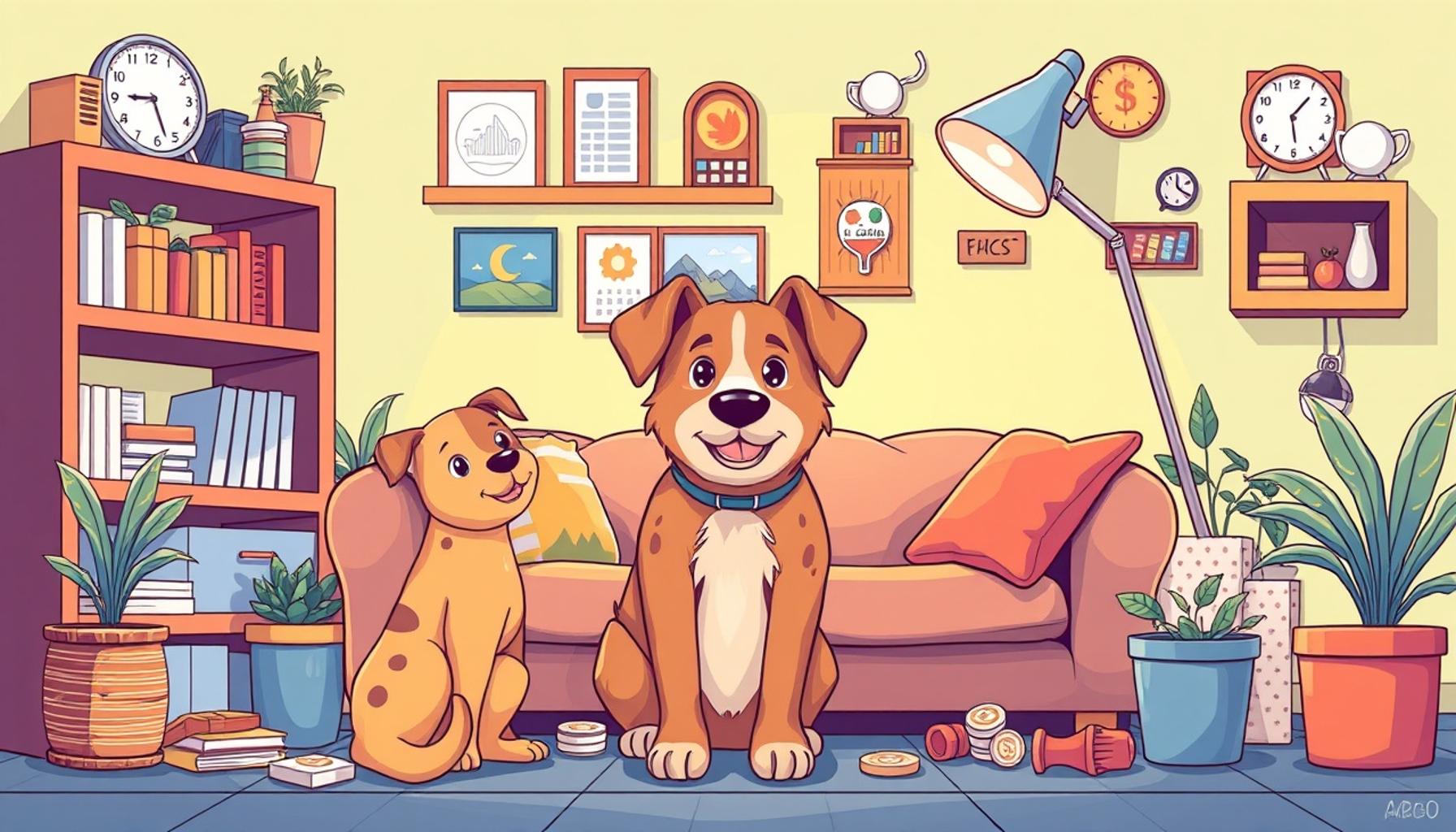
Creating the Perfect Sanctuary for Your Beloved Pet
Ensuring that your pet feels safe and comfortable at home is essential for their overall well-being. A nurturing environment promotes happiness and fosters better health, significantly enhancing their quality of life. This article delves into key aspects you should consider to create the perfect sanctuary for your beloved pet.
- Safety Measures: One of the foremost steps in pet-proofing your home is to identify potential hazards. This includes common household items that could pose risks, such as toxic plants like Azaleas and lilies, which can be harmful to pets. Additionally, household chemicals—like cleaners and antifreeze—should be stored securely out of reach. You should also consider choking hazards that may arise from small objects, such as rubber bands or coins, which are easily accessible to curious pets. Implementing these safety measures can prevent accidents and ensure a safe living space.
- Comfort Zones: Every pet benefits from having their own dedicated space for relaxation. You can achieve this by setting up cozy areas with plush beds and warm blankets in quiet corners of your home. For instance, pets may gravitate towards familiar scents, making it beneficial to incorporate items with your scent into their designated space. Dogs often appreciate a soft bed with a blanket where they can curl up, while cats may prefer an elevated perch where they can observe their surroundings in comfort.
- Healthy Environment: A clean living space is vital for your pet’s health. Regularly cleaning your home not only reduces allergens like pet dander and dust but also prevents the development of pests such as fleas and ticks. Ensuring proper hygiene involves routine vacuuming, washing pet bedding, and keeping food and water dishes clean. Additionally, consider investing in air purifiers that help in filtering out pollutants for a healthier home environment.
Every pet is unique, with varying needs and preferences. Recognizing and accommodating these differences can lead to a more fulfilling life together. Below are specific examples by pet type:
- Dogs: Many dogs thrive in environments where they feel secure. A warm, soft bed placed in a quiet corner away from high foot traffic can create a sense of comfort. Moreover, providing toys that appeal to their natural instincts—like chew toys or interactive puzzles—can enhance their happiness and mental stimulation.
- Cats: Cats are known for their love of height and sunny spots. Installing cat trees or shelves at various heights allows them to climb and observe their territory. Crafting cozy hideaways with boxes or soft blankets can also provide a safe haven for your cat during times of stress.
- Small Animals: For small pets, such as rabbits or guinea pigs, ensuring they have access to secure hideouts and appropriate bedding material is crucial. Items like tunnels and nesting boxes can help them feel safe and reduce anxiety.
Taking the time to tailor your home for your pet can lead to not only their happiness but also your peace of mind. By being attentive to their specific needs and exploring innovative ways to enhance their living space, you can truly create a sanctuary that elevates the quality of life for your furry, feathered, or scaly friend. The mutual bond strengthened by a comfortable environment enhances the joy of pet ownership, making it an experience worth investing in.
Essential Steps for Ensuring Safety and Comfort
Creating a safe and comfortable environment for your pet is not just a matter of aesthetics—it plays a crucial role in their physical and emotional health. Pets thrive in surroundings that cater to their unique needs, which is why it’s essential to address various aspects of your home tailored to your furry friends. Here are some key tips to keep in mind:
- Pet-Proofing Your Home: Before welcoming a new pet or assessing your current living situation, perform a thorough walk-through of your home. Look for potential hazards, including exposed electrical wires, sharp corners, or easily accessible cabinets containing harmful substances. It’s vital to secure hazardous materials, such as cleaning supplies and medications, in cabinets with child-proof locks. For additional safety, consider using corner guards and window screens to protect your pets from accidents related to falls or sharp edges.
- Comfortable Bedding: A sound sleep is essential for your pet’s well-being. Invest in high-quality, comfortable bedding that caters to your pet’s size and breed. For dogs, orthopedic beds can be especially helpful to alleviate joint pain, while cats may prefer soft, plush fabrics that mimic their natural instincts to burrow. Place these beds in areas that provide warmth and tranquility, allowing your pets to retreat when they need rest.
- Temperature Control: Maintaining a comfortable temperature in your home will contribute to your pet’s health. Air conditioning and heating should be adjusted to ensure a pleasant environment year-round. Remember that pets can be sensitive to extremes, whether it’s the sweltering heat of summer or the chill of winter. Consider providing blankets or cozy spots that cater to their comfort, particularly during seasonal shifts.
- Safe Play Areas: Designate specific zones where your pets can feel free to explore and play without worry. For dogs, secure perimeters using fences or gates, and be cautious when introducing them to new environments. For smaller pets – rabbits or ferrets, for example – enclosures with ample space for movement not only prevent escapes but also provide them with the freedom to roam and satisfy their curiosity within safe boundaries.
- Regular Maintenance: Keeping your living space clean is essential for your pets. Routine cleaning not only eliminates allergens but also curbs unwanted odors. Advanced maintenance tasks such as cleaning carpets, washing pet bedding, and maintaining a regular grooming schedule can be beneficial. Remember to keep an eye out for signs of pests such as fleas or ticks, especially during warm months.
When creating a pet-friendly home, anticipatory measures are vital. An observant owner who understands their pet’s needs will be in a better position to detect discomfort or anxiety. Implementing these actionable tips not only promotes a safer environment but assures your pet that they are well taken care of—ensuring a loving bond and enriching experience for both of you.
| Category | Details |
|---|---|
| Safe Spaces | Create dedicated areas where your pet can relax without disturbances, ensuring they feel secure. |
| Comfortable Bedding | Invest in quality, supportive bedding that caters to your pet’s needs, promoting restful sleep and well-being. |
| Toxic-Free Environment | Ensure that all cleaning products and plants are non-toxic, making your home safe for your pet’s exploration. |
| Regular Vet Check-Ups | Frequent veterinary visits help catch health issues early, allowing for timely treatment and a longer, healthier life. |
Creating an Enriching Space for Your Pet
In addition to ensuring safety and comfort, creating an enriching environment for your pet is pivotal for their overall happiness and well-being. Pets, whether dogs, cats, or small animals, require mental stimulation and opportunities for engaging activities. Below are several strategies to transform your home into an enriching haven for your beloved companions:
- Interactive Toys: Invest in a variety of interactive toys that are designed to stimulate your pet’s mind. Puzzle feeders, treat-dispensing toys, and engagement games are perfect for both dogs and cats, keeping them active and entertained. Regularly rotate these toys to maintain their interest and challenge them to think critically about entertainment options.
- Activity Levels: Different pets have varied activity levels, which must be considered when planning their environment. For energetic breeds of dogs, provide ample space to run and play. For this purpose, a secure backyard or even a local dog park can help channel their energy. Conversely, for less energetic or older pets, softer activities such as gentle fetch or interactive play indoors can foster bonding while keeping them comfortable.
- Socialization: Regular interaction with other pets and humans contributes to a pet’s emotional well-being. Establish playdates with friends who have pets, or consider enrolling your dog in training classes that allow them to socialize with other dogs. Social environments can significantly reduce chances of anxiety and destructiveness at home.
- Safe Exploration: Cats, in particular, are natural explorers. Providing cat trees, vertical spaces, or shelves allows them to explore their environment safely. For dogs, supervised outdoor time not only satisfies their curiosity but also gives them a chance to experience the scents and sounds of nature, which is crucial for their mental stimulation.
- Incorporating Nature: Bringing elements of nature indoors can significantly enhance your pet’s environment. Consider adding pet-safe plants such as spider plants, Boston ferns, or herbs like basil and parsley. Fresh air is also beneficial, so if you have access to outdoor areas, create pet-safe zones where they can enjoy time in nature while being safely contained.
Moreover, observe behavioral cues from your pets, which can provide insights into their preferences and interests. Engaging with them through play and exploring new activities together not only fortifies their bond with you but enriches their daily lives and reduces the likelihood of boredom-driven mischief.
As you brainstorm ways to enhance your pet’s surroundings, remember that continual adjustments based on observation and experimentation may be necessary. The more dynamic the environment, the happier and healthier your pet will likely be, resulting in a harmonious home where both you and your furry family members thrive.
Conclusion: A Holistic Approach to Pet Care
Creating a safe and comfortable environment for your pet goes beyond basic care; it requires a thoughtful combination of safety, comfort, and enrichment to nurture their overall well-being. By implementing rigorous safety measures, you can eliminate potential hazards in your home, shaping a secure space where your pet can roam freely and without fear. In addition to safety, prioritizing their comfort ensures that your furry friend feels relaxed and at ease in their living area—this is particularly important during stressful situations or unfamiliar changes in their environment.
Moreover, enriching your pet’s surroundings through various interactive activities, socialization opportunities, and stimulating toys can profoundly impact their mental and emotional health. Providing safe spaces for exploration and incorporating elements of nature can also invigorate their living space, encouraging natural behaviors while promoting happiness and satisfaction. The bond you share with your pet grows stronger through these shared experiences, emphasizing the importance of investing time and resources into their comfort and joy.
As you embark on this journey of creating the ideal living environment for your pet, remain attentive to their individual preferences and needs. Observing their habits and tweaking their surroundings can lead to a more harmonious and enriching experience for both of you. Remember, a well-cared-for pet not only leads to a happier home but also fosters a fulfilling relationship that enriches your life. With these tips for creating a safe and comfortable environment, you’ll be well on your way to nurturing a thriving companion, making your home a true sanctuary for them.