Natural Foods vs. Commercial Diets: What’s Better for Your Pet?
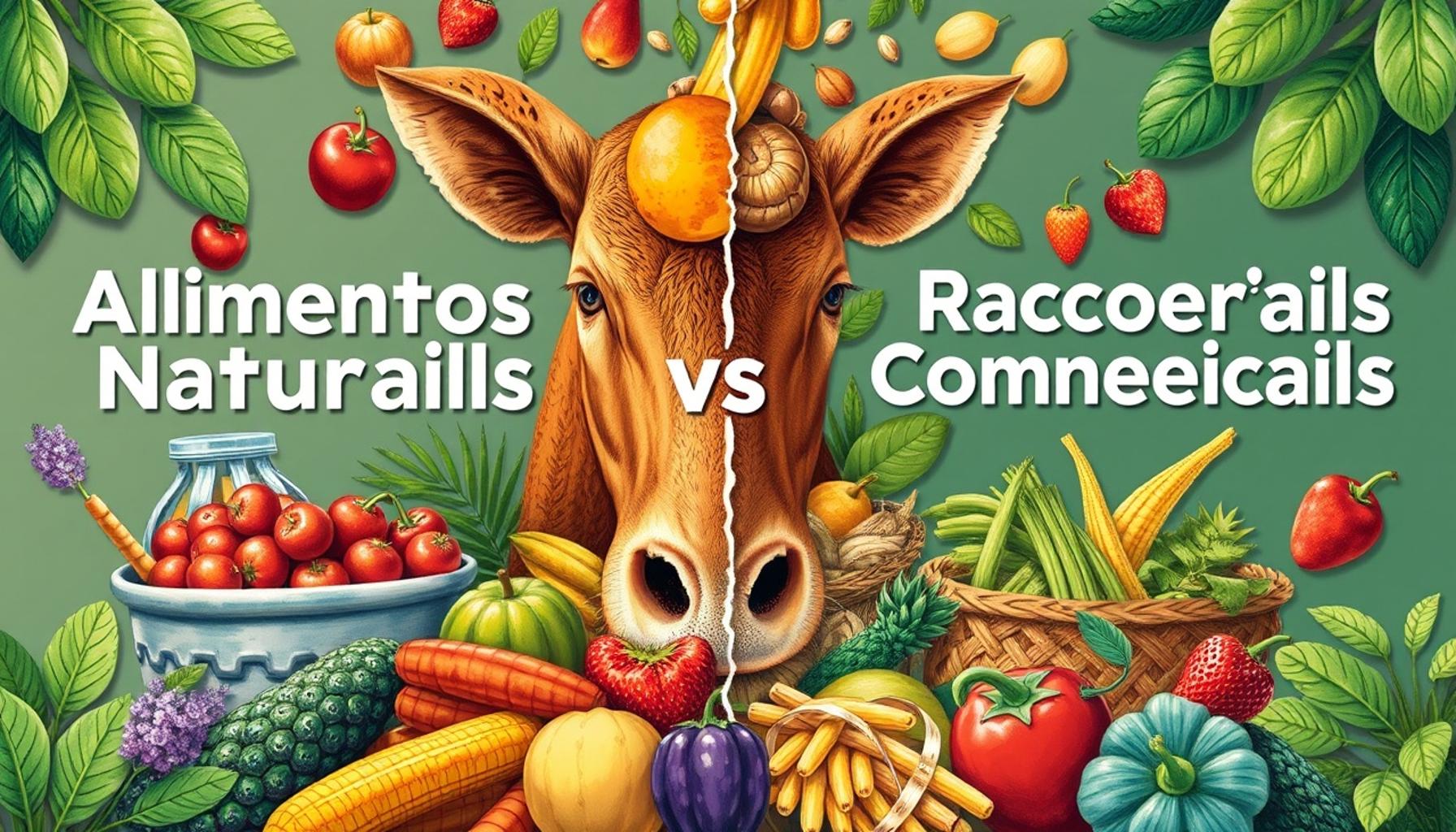
Exploring Pet Diet Options
As pet owners, we all want what’s best for our furry companions. The debate between natural foods and commercial diets has become a hot topic among veterinarians, nutritionists, and pet enthusiasts alike. With varying opinions emerging, how do we decide what truly benefits our pets?
Understanding Natural Foods
Proponents of natural pet foods advocate for the use of fresh, whole ingredients in pet diets, emphasizing that these foods can provide superior nutritional value. One key benefit of these diets is their focus on high-quality ingredients. Often, natural pet foods are minimally processed and free from artificial additives and preservatives, allowing pet owners to feed their animals a diet more akin to what they would naturally consume in the wild.
Another significant advantage is better digestibility. Foods that mimic a pet’s ancestral diet, which for dogs might include meats, vegetables, and grains, could lead to improved digestive health. For instance, many pet owners have reported noticeable improvements in their dog’s stools and overall gastrointestinal comfort after switching to a more natural diet.
Moreover, proponents argue that a more balanced intake of nutrients can lead to enhanced health and wellbeing. Not only can this result in healthier fur and skin, but pets may also exhibit increased energy levels, more vitality, and improved immune function. Natural diets often include omega fatty acids from fish or flaxseed, which are known to promote a glossy coat and lively demeanor.
The Case for Commercial Diets
On the other side of the debate lies the realm of commercial pet diets. These products are often praised for their consistent nutrition. Major brands spend considerable resources on research to formulate their diets, ensuring that every bag or can meets specific nutritional standards tailored to various life stages, be it puppy, adult, or senior formulations.
Accessibility is another strong suit for commercial diets. They are widely available in local pet stores, supermarkets, and online platforms, making it easy for pet owners to find options that suit their individual preferences and budget. This convenience allows busy families to maintain their pets’ dietary needs without the time commitment that natural food preparation often requires.
Finally, commercial foods provide a level of stability and safety that natural diets may lack. These products are usually subject to strict regulations and testing, ensuring that they meet established food safety standards. This oversight can provide pet owners with peace of mind regarding the safety of their pet’s meals.
Making an Informed Choice
As you weigh the pros and cons of natural versus commercial diets, it’s essential to consider your pet’s specific needs, breed, age, and any health issues they may have. For example, a highly active young dog may thrive on a diet rich in proteins and fats, while a senior dog may require lower calorie content and more fiber.
Ultimately, whether you lean towards natural foods or commercial diets, understanding the facts and recognizing the distinctive needs of your pet will help you make an informed choice for your beloved companion. This thoughtful approach to pet nutrition could lead to a longer, healthier, and happier life for your four-legged friends.
Navigating the Pros and Cons
When considering your pet’s diet, understanding both natural foods and commercial diets requires an examination of their respective advantages and challenges. This exploration goes beyond mere ingredient lists; it probes into safety, effectiveness, and overall impact on your furry friend’s life.
Benefits of Natural Foods
Many pet owners opt for natural pet foods believing that wholesome, minimally processed ingredients lead to improved nutritional outcomes. One significant benefit of these diets is their potential to deliver a variety of vital nutrients in a form that’s readily absorbable by pets. Natural diets often consist of:
- Fresh meats, providing essential amino acids and proteins.
- Whole grains and vegetables, supplying fiber, vitamins, and minerals.
- No artificial additives, ensuring no unnecessary chemicals enter your pet’s system.
Pioneers of this diet also argue that feeding pets as close to their natural eating habits as possible can help maintain a balanced microbiome, which aids in digestion and overall health. Pet owners transitioning to natural foods often observe an uptick in energy levels and improved coat quality in their beloved companions.
Commercial Diets: Convenience and Research
On the contrary, commercial diets bring a different set of advantages to the table. One primary appeal of these products lies in their scientifically formulated recipes. These commercially available diets are typically crafted with the assistance of veterinary nutritionists, aiming to deliver complete and balanced nutrition tailored for various pet life stages. The benefits of commercial diets include:
- Consistency: Commercial pet foods provide uniformity in formulation, ensuring that your pet receives reliable nutrients in every serving.
- Variety: With numerous flavors and formulations available, pet owners can easily match their furry friends’ tastes or special dietary needs.
- Convenience: Ready-to-serve options save time, making balanced nutrition accessible for busy pet owners.
Moreover, commercial diets are tightly regulated under guidelines from organizations like the Association of American Feed Control Officials (AAFCO). This regulatory oversight can offer a level of confidence regarding the safety and nutritional adequacy of the food your pet consumes.
Finding the Right Balance
As you contemplate the merits of natural versus commercial diets, it’s crucial to assess your own pet’s unique needs. Factors such as age, breed, activity level, and any specific health conditions will play an essential role in defining the best dietary approach. After all, a one-size-fits-all solution rarely extends to our beloved animals.
Ultimately, the objective is to provide a nourishing and balanced diet that supports your pet’s long-term health and happiness. Keeping personal preferences, dietary restrictions, and ingredient quality in mind can help guide you toward making the best choice. Whether you gravitate towards natural foods or commercial diets, informed decision-making is key to ensuring your pet thrives.
Exploring Natural Foods for Pets
The debate surrounding natural foods versus commercial diets for pets has gained considerable traction among pet owners. Many are opting for natural diets that prioritize whole, unprocessed ingredients. These diets often include fresh fruits, vegetables, and high-quality proteins, providing pets with a well-balanced and nutritious meal. Proponents argue that such diets can lead to enhanced overall health, improved coat condition, and even better digestive health. As pet parents seek to minimize artificial additives found in commercial pet foods, the rise in demand for natural options showcases a significant shift in consumer preferences.
Commercial Diets: Convenience and Variety
On the flip side, commercial diets offer convenience and a great deal of variety. Designed to meet the specific nutritional needs of pets, these diets come in numerous flavors and formulations. They are rigorously tested to meet AAFCO standards, ensuring a baseline level of quality and nutrition. For busy pet owners, the ease of grabbing a bag of kibble or a can of wet food can be a lifesaver. However, it’s vital for pet owners to read labels carefully as not all commercial foods are created equal. Some may contain fillers or artificial preservatives that can detract from their nutritional value.
| Natural Foods | Commercial Diets |
|---|---|
| Whole, unprocessed ingredients | Convenient and widely available |
| Generally fewer artificial additives | Variety in flavors and formulations |
The choice between natural foods and commercial diets ultimately lies in individual pet needs and owner preferences. This critical decision shapes the health and happiness of pets, prompting ongoing research and exploration in the world of pet nutrition.
Factors to Consider When Choosing the Right Diet
Determining whether to choose natural foods or commercial diets for your pet requires a thorough understanding of various influencing factors. Each pet has distinct nutritional needs shaped by its biology, health status, and lifestyle. Evaluating these elements can help you make decisions that foster optimal health for your animal companion.
Health Considerations
One of the most significant factors in choosing a diet for your pet is their health condition. For instance, pets with food allergies or sensitivities may benefit from home-cooked meals or specific natural food formulations tailored to avoid allergens. Additionally, pets suffering from chronic health issues—such as obesity, diabetes, or kidney disease—often require specialized diets that can be more readily managed with commercial brands, particularly those designed for therapeutic feeding. The labels of these commercial diets usually denote the specific health benefits and suitability for pets with special needs.
Age and Life Stage
The age of your pet also plays an essential role in dietary decisions. Puppies and kittens require a diet rich in proteins and nutrients to support rapid growth, while adult pets need maintenance diets to sustain their health. Senior pets, on the other hand, often benefit from lower-calorie diets with joint-supporting supplements. This is where commercial diets come into play, as many brands offer segmented products formulated for distinct life stages, easily guiding pet owners in making appropriate choices based on their animal’s age.
Pet Preferences and Behavior
Recognizing your pet’s individual preferences and behaviors can also influence your decision between natural foods and commercial diets. Some pets may exhibit pickiness toward certain textures or flavors, making it crucial to select a diet they enjoy. Engaging in rotation feeding, where you alternate between different types of food—either natural or commercial—can help broaden your pet’s palate while ensuring they receive a balanced diet.
Budget Considerations
Cost is a dominating factor for many pet owners when it comes to selecting their pets’ diets. While natural foods may be perceived as more expensive due to higher-quality ingredients, it’s essential to evaluate the price per feeding and the nutritional density of the food. Sometimes, smaller quantities of premium natural foods can provide better nutritional value than bulk commercial diets, which may contain fillers that could lead to overeating. Balancing cost without compromising on nutrition is vital.
The Source of Ingredients
Finally, consider the source of the ingredients in both natural foods and commercial diets. Opting for foods with clear provenance can help mitigate concerns about the quality and safety of pet food. Some reputable commercial brands are transparent about their sourcing and undergo extensive quality control, whereas not all natural food brands can guarantee the same standards. Researching suppliers and understanding how your pet’s food is produced can lead you to safer options.
Choosing the right diet for your pet is a multidimensional decision that transcends personal preferences. By examining factors such as health needs, life stage, palatability, and budgeting, you can uncover a balanced approach that meets your pet’s needs. Whether leaning toward natural or commercial options, informed choices ultimately contribute to the well-being of our furry family members.
Conclusion
In the ongoing debate of Natural Foods vs. Commercial Diets, there is no definitive winner; rather, the best choice hinges on individual circumstances and needs. Every pet is unique, and a tailored approach considering health conditions, activity levels, and unique preferences is crucial. While natural foods boast wholesome ingredients and potential benefits, commercial diets are often formulated with specific health requirements in mind, especially for pets with special dietary needs.
As we strive to optimize our pets’ health, understanding the age and life stage of our furry companions is also essential. Nutrition plays a pivotal role throughout their lives, from kittens to seniors. Additionally, pet owners must remain mindful of their budget without sacrificing quality. Fortunately, there are affordable options across both categories that maintain high nutritional value.
Moreover, sourcing ingredients is another layer of consideration. Pet owners should research product labels and company transparency to ensure they choose food from reputable manufacturers. Ultimately, fostering a connection between an informed diet and your pet’s well-being can lead to healthier, happier companions.
To conclude, the decision between natural foods and commercial diets should be informed by thorough research, individualized assessments, and ongoing monitoring of your pet’s health. Empower yourself with knowledge, stay curious about your options, and be willing to adapt as your pet’s needs evolve. After all, our goal is to provide the best diet that suits our beloved pets, contributing not just to their nourishment, but to their overall quality of life.