
The Importance of a Balanced Diet for Pet Health: Essential Nutrients for Dogs and Cats
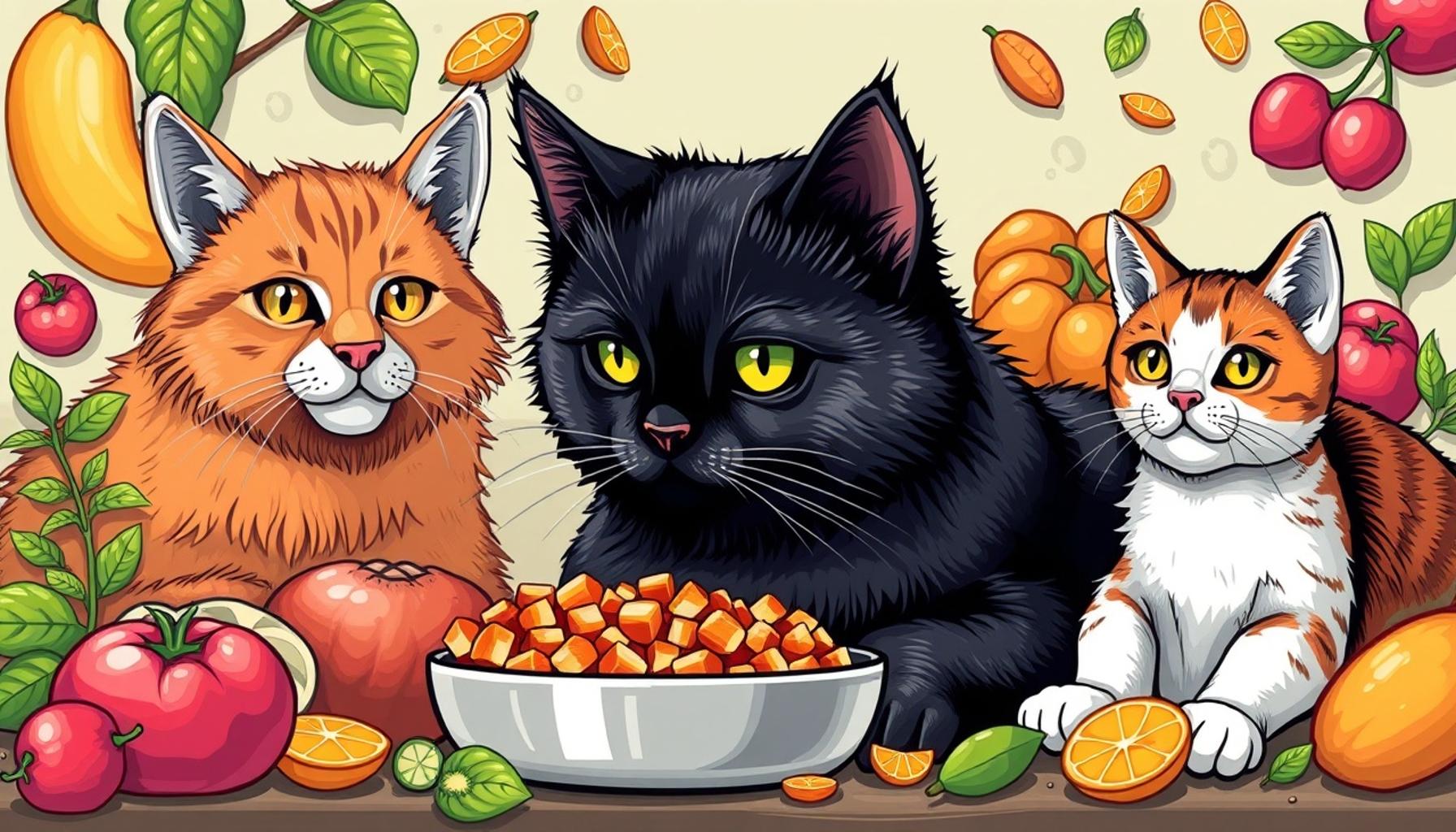
The Importance of Nutrition for Pets
A balanced diet creates the essential building blocks for the health and well-being of your pets. Just like humans, dogs and cats require a multitude of nutrients to flourish and maintain an active lifestyle. However, understanding what these nutrients are, their specific roles, and how to incorporate them into your pet’s diet can be challenging for many pet owners.
Essential Nutrients for Pets
To provide clarity, let’s explore the primary nutrients that are pivotal in your pet’s diet:
- Proteins: These are crucial for growth, energy production, and the repair of tissues. Proteins consist of amino acids, some of which are essential and must be obtained through diet. For example, foods like chicken, fish, and eggs are rich in protein and can significantly support your pet’s development, especially in younger animals or those recovering from injury.
- Fats: Often misunderstood, fats are a concentrated source of energy and are also vital for maintaining healthy cell function. Fatty acids, particularly omega-3 and omega-6, play a pivotal role in skin health and cognitive function. Sources such as fish oil and flaxseed oil can help promote a shiny coat and support joint health.
- Carbohydrates: While dogs and cats do not require carbs in the same way that humans do, carbohydrates can provide a useful energy source and aid in digestive health. Whole grains like brown rice or oats, along with fiber-rich fruits and vegetables, can help regulate digestion and keep your pet feeling full longer.
- Vitamins: These organic compounds are essential for a wide range of metabolic processes. For instance, vitamin A is vital for vision, while the B vitamins are important for energy metabolism and brain function. Pet owners should ensure their pets receive a variety of vitamins from diverse food sources to promote optimal health.
- Minerals: These inorganic elements, such as calcium and phosphorus, are key players in bone health, muscle function, and even nerve transmission. Incorporating mineral-rich foods like leafy greens and certain meats can help maintain your pet’s overall physical condition.
The Impact of Nutrition on Health
Ensuring your pet consumes the right blend of these essential nutrients may help prevent various health issues such as obesity, heart disease, and digestive complications. For example, a diet that is too high in carbohydrates can lead to weight gain, while a lack of dietary fiber can cause gastrointestinal distress.
Moreover, a nutrient-rich diet significantly boosts immunity, which is crucial for warding off infections and diseases. Pets receiving a balanced diet tend to live longer, healthier lives, showcasing vibrant energy levels and improved overall vitality. It can also enhance their quality of life, reducing issues like allergies or frequent vet visits.
Making Informed Choices
As responsible pet owners, it’s imperative to educate ourselves about the dietary needs of our furry companions. A keen understanding of pet nutrition not only ensures optimal health but also empowers us to make informed decisions when choosing commercial pet foods. When selecting pet food, look for brands that provide transparent ingredient lists and are free from unnecessary fillers or artificial additives.
Explore the fascinating connection between what your pet eats and their overall health and happiness. Understanding these links can lead to better life choices for your four-legged family members, contributing to their longevity and well-being.
DIVE DEEPER: Click here to learn how pets adapt
Understanding the Nutritional Needs of Your Pets
In the realm of pet care, the significance of a balanced diet cannot be overstated. Dogs and cats, our beloved companions, have unique dietary requirements that, if met, can lead to enhanced vitality and longevity. Knowing how to combine ingredients for a nutritionally complete diet is essential in making informed choices for our furry friends. Various factors, such as breed, age, and health condition, play a crucial role in determining their specific dietary needs.
The Role of Proteins in Pet Health
Among the necessary components of a balanced diet, proteins are foundational. As the primary building blocks of tissues, proteins are paramount for growth, energy, and recovery. For pets, proteins break down into amino acids – some of which cannot be synthesized by the body and must be obtained through food. High-quality protein sources include poultry, fish, and legumes, which not only provide essential amino acids but also contribute to muscle development and immune function. It is especially vital for puppies and kittens, who are growing rapidly, to receive adequate protein to support their development.
Fats: The Essential Energy Source
Next in line, fats are vital for a pet’s energy levels. While often viewed unfavorably, fats serve as a concentrated energy source and aid in nutrient absorption. The presence of fatty acids, specifically omega-3 and omega-6, is critical for maintaining healthy skin and a glossy coat. Sources like fish oil or flaxseed oil can be beneficial in promoting joint health and anti-inflammatory properties. However, it is crucial to give fats in moderation, as excessive fat intake can lead to obesity and associated health problems.
The Importance of Carbohydrates
Carbohydrates often receive mixed reviews among pet enthusiasts. While dogs and cats can utilize energy from carbohydrates to a degree, they are not as essential as proteins and fats. Nonetheless, ingredients such as whole grains and fiber-rich vegetables can support digestive health and provide lasting energy. For instance, sweet potatoes and brown rice are excellent sources of slow-release carbohydrates that can help sustain energy throughout the day. When included in appropriate amounts, carbohydrates can enhance satiety and overall health.
Vitamins and Minerals: Micronutrients Matter
Micronutrients such as vitamins and minerals are crucial yet often overlooked. These nutrients are vital for numerous functions ranging from metabolic processes to immune system support. For example, vitamin E plays an essential role in cellular health, while calcium and phosphorus are foundational for strong bones. To ensure that your pet receives a balanced amount of these micronutrients, a diverse diet containing vegetables, fruits, and quality commercial pet food is necessary.
Not only does a rich array of vitamins and minerals bolster your pet’s defenses against diseases, but it also contributes to their overall well-being, ensuring they lead a vibrant and energetic life.
Empowering Pet Owners with Knowledge
As pet owners, understanding the intricacies of pet nutrition empowers us to make better choices for our furry companions. It’s apparent that a balanced diet comprised of proteins, fats, carbohydrates, vitamins, and minerals drastically impacts their health. Taking the time to consider these nutrients and their roles in your pet’s diet allows for enhanced health outcomes and a happier, more active pet.
The concept of a balanced diet for pets is vital for ensuring their overall health and well-being. Pets, like humans, require a variety of essential nutrients to thrive. The two primary categories of nutrients that are crucial for dogs and cats are macronutrients and micronutrients. Each category plays a significant role in promoting optimal health and longevity.
Macronutrients, which include proteins, fats, and carbohydrates, are needed in larger amounts. For instance, proteins are essential for maintaining healthy muscles, skin, and fur, while fats provide energy and support overall cellular function. Additionally, carbohydrates act as an energy source and promote digestive health. It’s important to choose high-quality sources of these macronutrients, such as lean meats, fish, and whole grains.
On the other hand, micronutrients, which include vitamins and minerals, are required in smaller quantities but are equally important. These nutrients support critical functions, such as immune response, bone health, and nerve function. Vitamins like A, D, and E, along with minerals such as calcium and phosphorus, are fundamental in preventing deficiencies that can lead to serious health issues.
Another key aspect of a balanced diet is portion control. Overfeeding pets can lead to obesity, which is a growing concern among pet owners. Obese pets are at a higher risk for developing various health problems, such as diabetes, arthritis, and cardiovascular diseases. Therefore, monitoring serving sizes and ensuring that pets maintain a healthy weight is crucial.
Incorporating a variety of foods can also enrich your pet’s diet, allowing them to receive a wide spectrum of nutrients. Consider rotating different protein sources and including fresh fruits and vegetables, which provide antioxidants and additional health benefits. However, it is important to research which human foods are safe and beneficial for pets.
Overall, understanding the specific dietary needs of dogs and cats can greatly influence their health. Pet owners should consult with veterinarians or pet nutritionists to create personalized meal plans that cater to the unique requirements of their beloved companions. Adopting a holistic approach to pet nutrition not only enhances the quality of life for pets but can also deepen the bond between pets and their owners.
| Category | Description |
|---|---|
| Macronutrients | Essential for energy, muscle development, and cellular function. |
| Micronutrients | Support critical bodily functions and prevent deficiencies. |
| Portion Control | Crucial in preventing obesity and associated health issues. |
| Variety in Diet | Diversifying protein sources and including fruits/vegetables for optimal health. |
LEARN MORE: Click here to find out how veterinarians support pet mental health</a
Recognizing Nutrient Deficiencies in Pets
Understanding the elements of a balanced diet for pets goes beyond merely providing the right nutrients; it involves recognizing the signs of nutritional deficiencies. Just like humans, dogs and cats can suffer when their dietary needs are not met. Owners should be vigilant and aware of indicators that may suggest inadequate nutrition. Common symptoms include lethargy, poor coat condition, unusual weight loss or gain, and frequent gastrointestinal issues. For example, a dull and brittle coat can often point to a lack of essential fatty acids, while weakness and lethargy may be due to insufficient protein intake.
Customizing Diets Based on Life Stages
Another important aspect of pet nutrition lies in customizing diets according to the various life stages of dogs and cats. Puppies and kittens require higher protein and calorie intake to support their rapid growth and development. Conversely, adult pets generally need a balanced mix of macronutrients and micronutrients for maintenance of energy levels and bodily functions. Senior pets, on the other hand, may benefit from a lower-calorie diet, rich in antioxidants and fiber, which can aid in digestion and combat the effects of aging.
Many pet food companies offer formulas specifically designed for different life stages, simplifying the process of finding the appropriate diet. Essentially, knowing when to shift your pet’s food type can greatly enhance their health and quality of life. Owners should consult with veterinarians when making dietary decisions, particularly when considering special needs diets.
The Growing Trend of Raw and Homemade Diets
In recent years, there has been a surge in the popularity of raw and homemade diets, with many pet owners opting to prepare meals for their pets from scratch. While this trend has its appeal, it’s crucial to approach it with caution. Homemade meals can offer fresher ingredients, but they may also risk nutritional imbalances if not properly formulated. Without adequate knowledge of your pet’s dietary needs, you might overlook essential nutrients. For instance, a homemade diet lacking calcium and phosphorus can lead to serious bone issues over time.
Those contemplating homemade diets should consider working alongside a veterinary nutritionist, who can help create a balanced meal plan tailored to their pet’s health requirements. Incorporating supplements may also be necessary to ensure all nutritional bases are covered.
Commercial Pet Foods: A Convenient Solution
For many pet owners, commercial pet foods offer a convenient and nutritionally sound solution. Reputable brands invest significant resources into formulating balanced diets that meet the AAFCO (Association of American Feed Control Officials) standards. These foods can provide complete nutrition in a single package, making it easier for pet owners to ensure their pets receive a well-rounded approach to their dietary needs.
However, it’s essential to scrutinize ingredient labels. High-quality pet foods should list specific protein sources, healthy fats, and a variety of carbohydrates. Ingredients such as whole meats, whole grains, and fresh fruits should take precedence over fillers and artificial additives. While cost can be a determining factor, investing in quality food often pays off in healthier pets with fewer health complications.
Exploring the importance of a balanced diet for pets allows owners to make more informed decisions that directly affect the well-being of their dogs and cats. By understanding nutrient requirements and being mindful of dietary trends and products, pet owners can enhance their companions’ health and happiness.
DISCOVER MORE: Click here to learn about how environment shapes cat personalities
Conclusion: Nurturing Our Companions through Nutrition
In summary, the importance of a balanced diet in maintaining the health and wellness of our pets cannot be overstated. A carefully structured diet rich in essential nutrients not only promotes vitality and longevity but also helps prevent the onset of various health issues. By staying attuned to the specific dietary needs of our pets, considering their life stages, and recognizing signs of nutritional deficiencies, we can take proactive measures in supporting their overall well-being.
As pet owners, it is critical to strike a balance between convenience and quality when selecting food options. While commercial pet foods offer a practical solution with their comprehensive formulations, the growing interest in homemade diets demands careful planning to avoid imbalances. Collaborating with veterinarians or nutritionists ensures that we provide meals that meet all nutritional requirements, keeping our pets happy and thriving.
Ultimately, nourishing our beloved dogs and cats through a balanced diet is a responsibility that reflects our commitment to their health and happiness. As we continue to learn about the evolving dietary trends and the interconnection between food and pet health, we empower ourselves to make informed choices that enrich the lives of our furry companions. By embracing these principles, we pave the way for a stronger bond with our pets and a healthier, more fulfilling life together.