
How to Create a Safe and Stimulating Environment for Your Pet
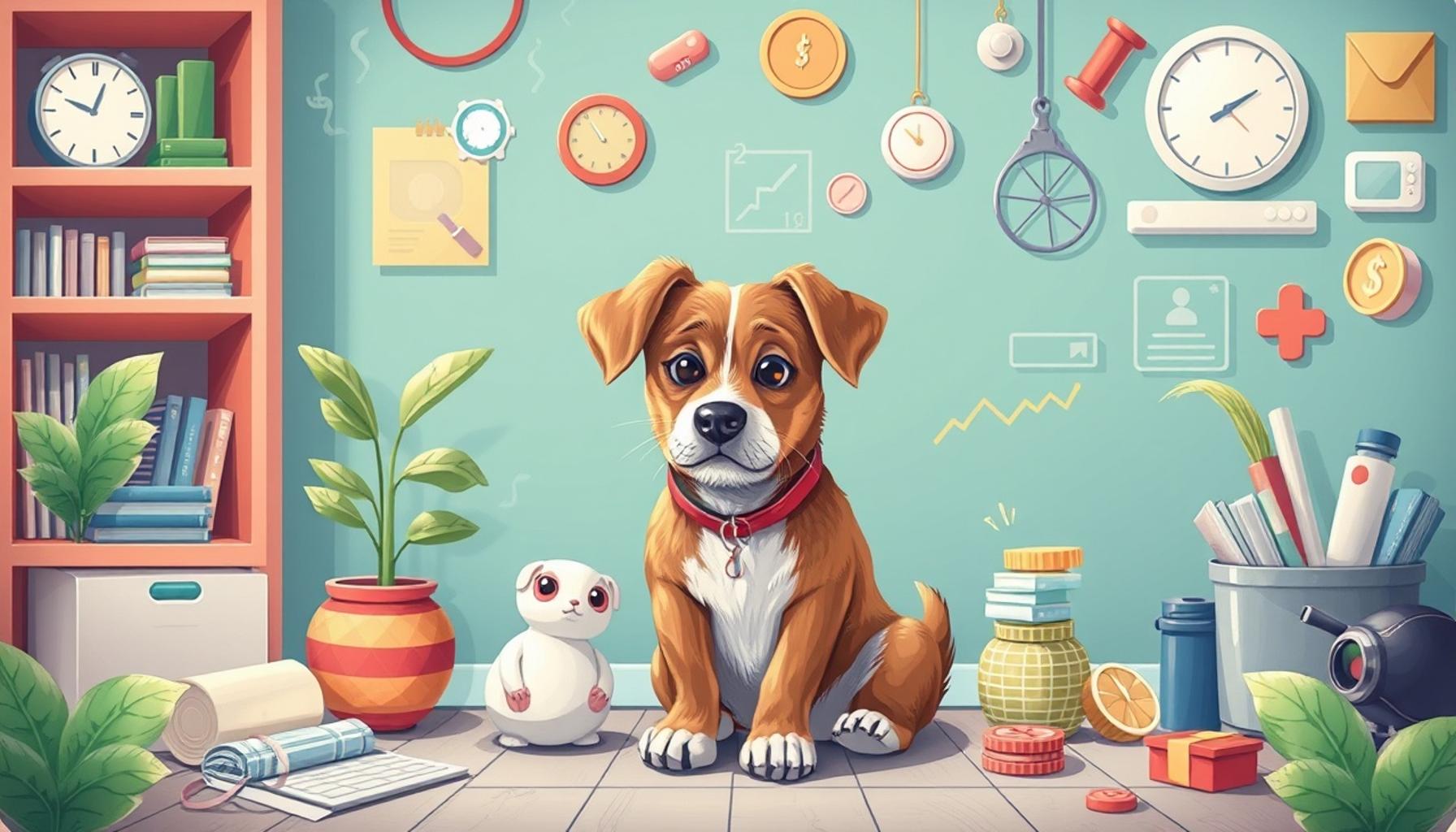
Importance of a Nurturing Environment for Pets
Creating a safe and stimulating environment for your pet is essential for their overall well-being. Pets thrive in spaces that cater to their natural instincts and needs, which not only promotes physical health but also enhances mental stimulation. A thoughtfully designed environment not only protects pets from potential dangers but also enriches their lives, making them happier companions. Ensuring that pets have an environment that inspires exploration and relaxation forms the foundation of a fulfilling pet ownership experience.
Key Elements to Enhance Your Pet’s Space
Consider these key elements when setting up your pet’s space to ensure it is not only comfortable but also engaging:
- Safety measures: Identify and secure any harmful items or toxic plants that could pose a risk to your pet. Common household items such as cleaning supplies, medications, and small objects should be stored out of reach. Additionally, consider using pet-proofing solutions, such as baby gates to limit access to unsafe areas or covers for electrical cords to prevent chewing.
- Interactive play areas: Designate specific areas for play that feature toys, climbing structures, or agility equipment that stimulate movement and cognitive engagement. For instance, dogs can enjoy a designated fetch zone in the yard, while cats may appreciate a multi-level scratching post or a cat tree that allows them to climb and observe their surroundings.
- Comfort zones: Provide cozy resting spots in quiet areas that are away from noise and foot traffic. This could include plush beds, blankets, or designated “safe spaces” equipped with their favorite toys and textures. Pets, like humans, need areas where they can unwind and feel secure.
Creating an Environment for Exploration and Relaxation
The right environment not only keeps pets safe but also allows them to explore, play, and relax, thereby fostering their natural behaviors. For instance, dogs typically enjoy spaces where they can roam freely, while cats prefer vertical areas that offer a vantage point for observation. Understanding these preferences can guide your decisions on how to set up their living areas effectively.
Furthermore, the use of pet-friendly materials can significantly enhance the safety of your living space. Opt for non-toxic cleaning supplies and choose chew-proof furniture to minimize risks. Washable surfaces such as slipcovers for sofas can make cleaning up after your pets effortless. This careful planning creates a seamless blend of comfort, safety, and engagement, all of which contribute to your pet’s happiness.
Further Strategies for a Pet-Friendly Home
As you delve deeper into this topic, consider additional strategies that not only safeguard your pet but also promote a stimulating atmosphere in which they can thrive. Research shows that pets are less prone to stress-related behaviors when their environment reflects their instinctual needs and provides them the opportunity to play and explore. This ultimately contributes to a longer, healthier life for your beloved companions.
With these actionable ideas, you can transform your home into an inviting haven for your pets, ensuring their safety while also igniting their curiosity and zest for life. Discovering how to implement these practices can lead you to the realization that a little effort can go a long way in making a significant difference in your pet’s quality of life.
DISCOVER MORE: Click here to learn about your dog’s emotions
Key Elements to Enhance Your Pet’s Space
When it comes to creating a secure and engaging home for your pet, understanding their unique needs is crucial. A well-considered space can stimulate your pet’s instincts while ensuring their safety. Here are some essential components to keep in mind as you tailor your environment:
- Safety measures: The first step towards a safe home is to identify and address potential hazards. Be vigilant about securing harmful items that your pet could access. This includes storing cleaning supplies, medications, and any small objects out of their reach. Moreover, implement pet-proofing strategies, such as using baby gates to restrict access to areas that be dangerous, or utilizing cord covers to eliminate the risk of chewing on electrical wires.
- Interactive play areas: Designate specific zones where your pet can engage in thrilling activities. This might involve creating a dedicated play area for dogs, equipped with fetch-friendly toys and agility apparatus. For cats, consider installing climbing structures like cat trees or shelves that allow them to explore vertically and satisfy their natural curiosity.
- Comfort zones: Just as important as play areas are relaxing spaces. Establish tranquil resting spots in quieter parts of your home where your pet can feel secure. This could include plush beds, blankets, or even small tents designed for pets. A comforting environment not only aids relaxation but also helps manage stress levels.
Creating an Environment for Exploration and Relaxation
The essence of a nurturing environment lies in its ability to foster both exploration and relaxation. Dogs often benefit from open spaces that allow them to roam freely, while cats are drawn to elevated spots from which they can observe their surroundings. Pay attention to these preferences to tailor your pet’s environment accordingly.
In addition, the choice of pet-friendly materials plays a significant role in enhancing safety and comfort. Opt for non-toxic cleaning products and select durable, chew-resistant furniture to protect both your home and your pet. Incorporate washable items, like slipcovers for your sofa, to simplify cleaning and maintain hygiene. Striking a balance between safety and engagement forms a well-rounded environment that nourishes your pet’s physical and emotional well-being.
Further Strategies for a Pet-Friendly Home
To take your home transformation to the next level, consider implementing additional strategies that can further enhance both safety and stimulation for your pet. Research indicates that ownership experiences improve when the environment mirrors pets’ instinctual needs, allowing them to engage in behaviors like playing and exploring. This not only enhances their happiness but can lead to a longer and healthier life.
Through these tailored strategies, you can create an inviting haven for your pets. The investment of time and thought into their environment can lead to a significant improvement in their overall quality of life, making each moment spent together more enjoyable. With a little effort and creativity, you can ensure your beloved companions thrive in their home environment.
| Safety Features | Stimulating Elements |
|---|---|
| Secure Enclosures | Interactive Toys |
| Prevents escapes and injuries by controlling access to unsafe areas. | Enhances mental stimulation and combats boredom, leading to a happier pet. |
| Pet-proofing | Variety of Activities |
| Removes hazards such as toxins and small objects that pets can swallow. | Encourages exercise with different options like agility courses and puzzle games. |
Creating a safe and enriching environment for your pet is crucial for their overall well-being. Safety features, such as secure enclosures and comprehensive pet-proofing, are essential in preventing accidents and ensuring their safety within the home. Alongside safety measures, introducing stimulating elements like interactive toys and a variety of play activities will not only keep your pet entertained but will also promote their mental and physical health. Each aspect plays an integral role in transforming your living space into an oasis of comfort and fun for your furry companion. Engaging them in different forms of play can significantly reduce anxiety and fulfill their innate need for exploration and interaction.
DISCOVER MORE: Click here to learn about the importance of socialization for your pets
Incorporating Enrichment Activities for Your Pet
To truly cultivate a stimulating environment, it’s essential to introduce various enrichment activities that stimulate your pet’s mind and body. These activities can help mitigate behavioral issues caused by boredom, such as chewing furniture or excessive barking. Engaging your pet in varied forms of enrichment not only encourages natural instincts but can also lead to a deeper bond between you and your furry friend.
Utilizing Puzzle Toys and Treat Dispensers
Puzzle toys are a fantastic way to challenge your pet’s intellect. These toys require pets to solve a problem to receive a reward, like a treat. They come in various difficulties and styles, catering to different pet sizes and species. Interactive treat dispensers can also keep your pet occupied for hours, promoting not only cognitive stimulation but also healthy eating habits when filled with appropriate treats. Studies suggest that mentally stimulating activities can significantly reduce stress levels in pets, making them more adaptable to changes in their environment.
Creating a Sensory Garden
An engaging environment incorporates sensory elements that captivate and intrigue pets. Consider creating a sensory garden filled with pet-safe plants that stimulate their sense of smell and sight. Plants like catnip, lavender, or rosemary can provide olfactory enrichment, while varying textures from soft leaves to rough tree bark can awaken tactile exploration. For dogs, a small water feature such as a shallow pond or fountain can introduce an auditory element that can amuse them as they play or drink. Ensure that all plants are non-toxic to keep safety at the forefront.
Setting Up a Structured Routine
Just like humans, pets thrive on structure. Establishing a daily routine enhances security and reduces anxiety. Regular feeding times, scheduled play sessions, and designated walks can create a predictable environment, decreasing stress for both you and your pet. Furthermore, incorporating diverse activities into this routine—such as agility training, fetch sessions, or ‘hide and seek’ with toys—ensures that your pet remains mentally and physically engaged.
Socialization Opportunities
Socializing is another vital aspect of your pet’s development, particularly for dogs. Regular interactions with other pets or people can provide emotional stimulation and prevent behavioral problems. Arrange playdates with other pet owners or visit local dog parks to give your dog a chance to frolic and socialize. For cats, consider supervised interactions with other pets or providing opportunities for them to observe the outside world through windows, stimulating their curiosity.
Tailoring Activities to Suit Your Pet’s Personality
Remember, every pet is unique. Consider their individual personalities and preferences when developing enrichment activities. Some pets might love vigorous exercise, while others may prefer soothing interactions like gentle grooming or lap time. Conducting regular assessments of your pet’s behavior and adjusting activities accordingly can ensure you’re catering to their evolving needs. Consulting with your veterinarian or a professional trainer can provide additional insights into effective enrichment strategies tailored specifically to your pet.
By incorporating these enrichment elements, you’ll not only create a safe haven but also a dynamic environment that stimulates and nurtures your beloved pet. This investment in their well-being ultimately leads to a happier, healthier lifestyle, enhancing the companionship you both cherish.
LEARN MORE: Click here to discover how stress and anxiety can impact your pet’s behavior
Conclusion: Fostering a Conducive Environment for Your Pet
Creating a safe and stimulating environment for your pet is integral to their overall well-being and happiness. As we explored, the foundation of this nurturing space begins with secure home settings that prevent accidents and hazards. Incorporating enrichment activities such as puzzle toys and sensory gardens nurtures their mental agility while satisfying their innate curiosity. A structured routine further adds a layer of consistency, assuring pets that their needs—physical, emotional, and social—are met on a regular basis.
Moreover, recognizing the unique personality traits and preferences of your pet emphasizes a tailored approach to enrichment. By observing and adjusting strategies in line with their behavior, you can foster an environment that not only entertains but also empowers your pet. Socialization opportunities should not be overlooked, as they are pivotal in shaping well-rounded behavior in animals, particularly dogs.
Ultimately, investing in a dynamic environment goes beyond mere comfort—instead, it leads to a healthier and more fulfilled pet that thrives on engagement and companionship. This harmonious relationship is not just beneficial for your pet; it enhances your connection and enriches your shared experiences. As you embark on this journey of creating a safe and stimulating environment, remember: a fulfilled pet is a happy pet, and that happiness is contagious, brightening your home life in unforeseen ways. For more detailed insights and guidance, consider consulting with a local veterinarian or pet behavior specialist to ensure you are fully supporting your pet’s needs.