
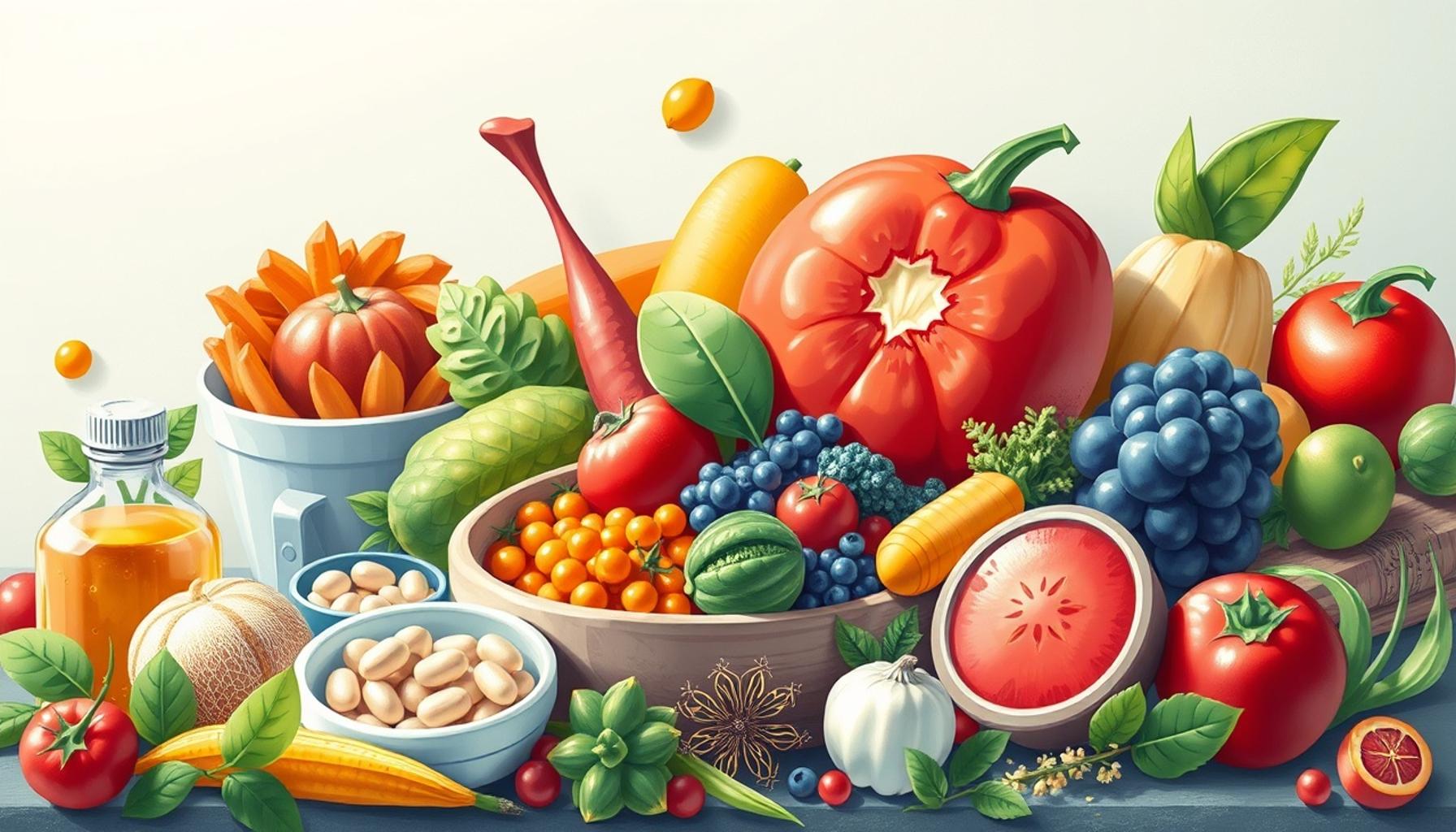
The Importance of Nutrition for Healthy Skin
The skin, as the body’s largest organ, is often referred to as a mirror reflecting our internal health. The saying “you are what you eat” extends beyond weight management and plays an integral role in skin vitality. What you consume significantly influences not just your overall wellness, but also the vibrancy and resilience of your skin. The interplay between diet and skin health has become a focal point in contemporary wellness discussions, drawing attention to the crucial role nutrition plays in achieving a radiant complexion.
With rising awareness about holistic health, more individuals are beginning to understand the specific benefits that various nutrients can provide for skin quality. For example, vitamins such as Vitamin C and Vitamin E are essential for skin repair and rejuvenation. Vitamin C, found in citrus fruits and green leafy vegetables, is renowned for its ability to boost collagen production, which keeps the skin firm and youthful. Meanwhile, Vitamin E acts as a powerful antioxidant that helps to protect skin cells from damage by free radicals, thus promoting a healthy glow.
- Minerals: Minerals like zinc and selenium are vital for maintaining skin structure and hydration. Zinc, found in foods such as nuts and whole grains, plays a crucial role in skin healing and inflammation reduction, making it a key player in acne treatment.
- Antioxidants: Antioxidants protect skin cells from oxidative stress and premature aging. Foods rich in antioxidants, such as berries, dark chocolate, and green tea, have been shown to combat the aging process by neutralizing harmful free radicals.
The increasing popularity of natural supplements also offers new possibilities for skin improvement. Consumers in the United States are turning towards herbal remedies and nutrient-rich supplements to support their skincare routines. For instance, collagen supplements derived from marine or bovine sources have gained significant traction for their potential to improve skin elasticity and hydration.
Additionally, omega-3 fatty acids, found abundantly in fish like salmon and in flaxseeds, contribute to maintaining the skin’s lipid barrier, essential for hydration and preventing dryness. By including these nutrients in your diet, you can target specific skin concerns and improve overall skin health.
In this article, we will delve deeper into how various nutrients and supplements influence skin health. As we uncover the secrets that nutrition holds for achieving a healthy complexion, you will be empowered with the knowledge to enhance your skincare routine effectively. Discovering the right blend of nutrients can be transformative, supporting not only your skin’s appearance but your overall health journey.
DON’T MISS OUT: Click here to learn why sunscreen is essential
Nutrients That Nourish Your Skin
Understanding the impact of nutrition on skin health involves exploring the vital nutrients that contribute to a glowing complexion. While it may be easy to overlook the connection between diet and skincare, science reveals that certain foods and supplements can dramatically improve skin texture, tone, and overall health. Below, we delve into some essential nutrients that can help your skin thrive.
Vitamins: The Building Blocks of Skin Health
Vitamins are a critical component of a skin-friendly diet, with each playing unique roles. For instance, Vitamin A is known for its ability to enhance cell turnover, which helps in reducing the appearance of fine lines and wrinkles. Found in foods like carrots, sweet potatoes, and dark leafy greens, it stimulates the production of new skin cells, keeping your complexion fresh and rejuvenated.
Vitamin D is another essential nutrient that not only supports bone health but also contributes to skin functionality and repair. It is synthesized by our bodies when exposed to sunlight, but it can also be obtained from fortified foods and supplements. Research indicates that adequate levels of Vitamin D may help alleviate skin conditions such as psoriasis and eczema.
Healthy Fats for Radiance
The presence of healthy fats in your diet is equally important for maintaining skin integrity. Omega-3 fatty acids, specifically, have been praised for their anti-inflammatory properties. They help to stabilize the skin’s natural barrier, thereby locking in moisture and reducing dryness. Rich sources of omega-3s include fatty fish like salmon, walnuts, and chia seeds.
- Flaxseeds: A fantastic plant-based source that can easily be added to smoothies or salads.
- Almonds: Packed with Vitamin E and healthy fats, they are a great snack for glowing skin.
- Avocado: This creamy fruit is not only delicious but also loaded with monounsaturated fats that help hydrate and nourish the skin.
Minerals That Make a Difference
In addition to vitamins and healthy fats, minerals play a crucial role in maintaining skin health. Zinc, known for its healing properties, is vital for combating skin irritations and promoting overall skin repair. Foods rich in zinc include chickpeas, quinoa, and pumpkin seeds. Similarly, selenium is an essential mineral that provides antioxidant defense against oxidative stress, potentially reducing skin aging. Sources of selenium can be found in Brazil nuts, sunflower seeds, and whole grains.
By incorporating these natural nutrients into your daily diet, not only are you supporting your skin’s health, but you are also bolstering your overall well-being. The journey to vibrant skin begins on your plate, reminding us that the path to a radiant complexion might just boil down to a few strategic dietary choices.
Continuing our exploration of how nutrition impacts skin health, it’s essential to address the role of vitamins and minerals in maintaining a glowing complexion. Nutrients such as Vitamin C, Vitamin E, and Zinc play a pivotal role in skin repair and regeneration. For instance, Vitamin C is not only a powerful antioxidant but also crucial for collagen synthesis, which enhances skin elasticity and prevents aging signs.
Moreover, omega-3 fatty acids, often found in fish and flaxseeds, contribute significantly to skin health by maintaining lipid barriers. This is vital for preventing dryness, inflammation, and acne. Furthermore, the anti-inflammatory properties of omega-3s can reduce redness and irritation, promoting an even skin tone.
In addition to these nutrients, the incorporation of probiotics into one’s diet can drastically improve skin conditions like acne and eczema. Probiotics help balance the skin’s microbiome, leading to better skin resilience and a reduction in blemishes.
Another aspect to consider is the role of hydration. Adequate water intake nourishes skin cells and enhances skin elasticity, reducing the appearance of fine lines. Along with your balanced diet, drinking sufficient water plays a crucial role in maintaining optimal skin health.
Finally, supplements such as collagen peptides have become popular for their potential skin benefits, claiming to improve hydration and elasticity from within. However, it’s essential for individuals to consult healthcare professionals before starting any supplementation, as personal requirements may vary.
Navigating through these nutrients and their influences on skin health opens up a realm of possibilities for achieving radiant skin, helping individuals make informed dietary choices that could lead to lasting improvements in their skin’s appearance and overall health.
| Nutrient | Benefits |
|---|---|
| Vitamin C | Promotes collagen production and skin repair. |
| Omega-3 Fatty Acids | Reduces inflammation and maintains skin barrier. |
| Probiotics | Enhances skin microbiome balance, reducing acne. |
| Collagen Peptides | Improves skin elasticity and hydration. |
DIVE DEEPER: Click here to discover the truth about botanical ingredients
Antioxidants: Shielding Your Skin
In the realm of skin health, antioxidants emerge as true champions. These powerful compounds play a critical role in protecting skin cells from damage caused by free radicals—unstable molecules that can accelerate aging and lead to various skin troubles. Among the vast array of antioxidants, Vitamin C stands out for its ability to promote collagen synthesis, which is vital for maintaining skin elasticity and firmness. Found abundantly in citrus fruits, strawberries, and bell peppers, Vitamin C not only helps to brighten the complexion but also provides a natural defense against environmental stressors such as pollution and UV radiation.
Vitamin E is another essential antioxidant, known for its skin-soothing properties. This nutrient helps to prevent moisture loss and combats dryness, making it an excellent addition to your skincare arsenal, especially in the winter months. Almonds, sunflower seeds, and avocados provide ample Vitamin E, further illustrating the importance of including a variety of foods in your diet for optimal skin benefits.
Hydration: The Key to Plump Skin
While nutrients are vital, one cannot overlook the role of hydration in achieving healthy skin. Water is essential for maintaining skin suppleness and elasticity. Dehydration can lead to dryness, flakiness, and an increase in the appearance of fine lines. Foods with high water content, such as cucumbers, watermelon, and oranges, can contribute to your overall hydration strategy. Furthermore, herbal teas can also provide hydration while offering additional antioxidants.
For many, achieving healthy skin through nutrition may mean considering supplements as a way to boost skin health. Collagen supplements, available in powdered or liquid form, are gaining popularity for their purported benefits in increasing skin elasticity and reducing wrinkles. Preliminary studies suggest that regular intake may lead to noticeable improvements, although more research is needed to substantiate these claims.
Probiotics: The Gut-Skin Connection
As science continues to unravel the complex relationship between gut health and skin appearance, probiotics have emerged as a noteworthy player in the conversation about skin nutrition. These beneficial bacteria not only support digestion but may also play a role in reducing inflammation and promoting skin barrier functions. Incorporating fermented foods like yogurt, kefir, or kimchi into your diet can aid in fostering a healthy microbiome, potentially leading to clearer skin.
Omega-6 fatty acids, found in evening primrose oil and borage seed oil, have also been researched for their role in skin health, particularly for those who suffer from conditions such as acne or eczema. Their anti-inflammatory properties can assist in calming irritated skin and may aid in the management of oily skin types.
Nature’s Remedies: Herbal Allies
For those leaning toward a more herbal approach, several plants possess skin-nourishing properties. Green tea is rich in polyphenols, which have been shown to reduce sun damage and improve skin elasticity. Incorporating green tea into your daily routine, whether as a drink or topical application, can be a soothing ritual for your skin.
- Aloe Vera: Known for its soothing and moisturizing capabilities, aloe vera can be consumed in juices or applied directly to the skin for an instant hydration boost.
- Gotu Kola: This herb is often used in traditional medicine for its potential to enhance skin healing and collagen production.
The multifaceted approach to nutrition and skin health underscores the importance of holistic well-being. By thoughtfully combining these natural nutrients, supplements, and herbal allies, you can create a foundation for healthy skin that emphasizes both beauty and wellness from within.
DISCOVER MORE: Click here to learn about how nutrition impacts your skin
Conclusion: Nourishing Your Skin from Within
In conclusion, understanding how nutrition affects skin health is essential for anyone seeking to enhance their complexion and overall well-being. The skin, being the largest organ of the body, reflects not just external care but also internal health. Diet plays a pivotal role in not only maintaining skin elasticity and texture but also in preventing various skin issues, ranging from dryness to acne and premature aging.
The intricate relationship between diet and skin condition highlights the significance of incorporating a variety of natural nutrients. For instance, antioxidants such as Vitamin C and Vitamin E are vital in combating oxidative stress, which can accelerate skin aging. Foods rich in these vitamins, such as citrus fruits, berries, nuts, and green leafy vegetables, can work wonders for your skin. Beyond vitamins, essential fatty acids, commonly found in fish like salmon or in flaxseeds, are crucial for maintaining skin’s moisture barrier, keeping it supple and radiant.
Moreover, the role of hydration cannot be overstated—keeping your skin plump and youthful calls for a commitment not just to nutrient-rich foods but also to adequate water intake. Studies suggest that drinking sufficient water can improve skin hydration levels, giving it a smooth and healthy appearance. In addition, considering supplements like collagen and probiotics can be a valuable strategy for those aiming to tackle skin concerns more directly. Collagen supplements, for example, may enhance skin elasticity, while probiotics can bolster gut health, which is increasingly linked to skin conditions such as eczema and acne.
Finally, embracing nature’s remedies—like green tea and aloe vera—adds an exciting dimension to the journey of skin care. Green tea is packed with polyphenols that have anti-inflammatory properties, while aloe vera is renowned for its soothing effects on irritated skin. Both can be easily integrated into your daily routine, whether through beverages, topical applications, or as ingredients in homemade masks.
With the myriad of options available, it becomes clear that achieving vibrant and healthy skin hinges on a holistic approach. By making informed dietary choices and understanding the benefits of natural supplements, you can empower your skin to thrive. So, explore, experiment, and nourish your skin from within, unlocking your natural radiance along the way. Stay curious about the foods you consume and how they impact your body, and remember that what you put inside is just as important as what you apply on the outside.