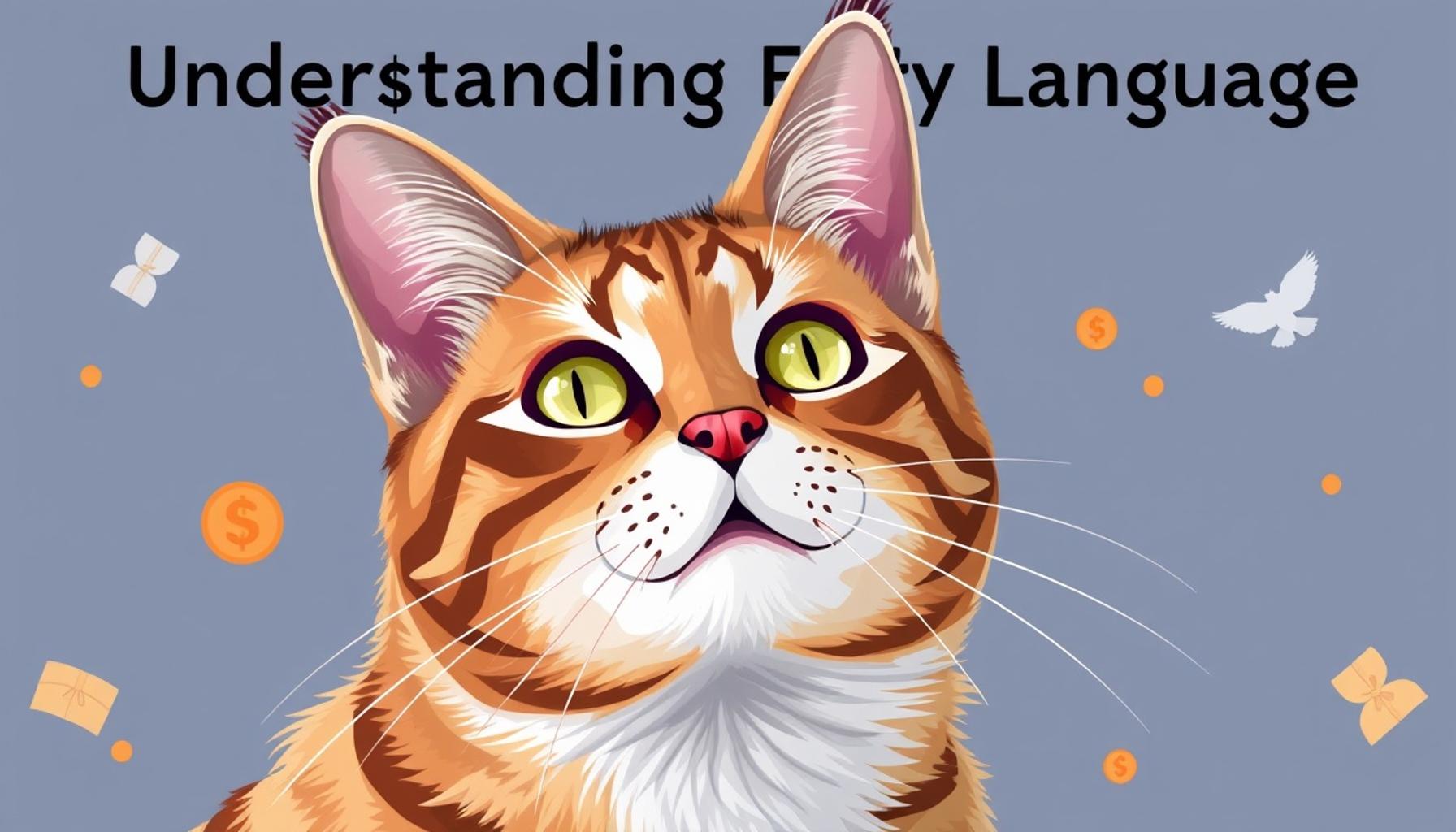
Non-Verbal Communication in Cats: How They Speak Without Words

Understanding Feline Communication
Cats are fascinating creatures that possess a unique way of expressing themselves. Unlike humans, they often rely on non-verbal communication to convey their feelings and needs. This method of expression can seem subtle and complex, but with careful observation, you can unlock a deep understanding of your feline friend’s inner world. From a flick of their tail to the position of their ears, every little gesture can speak volumes about what your cat is experiencing at any moment.
This article will delve into the intriguing world of feline body language. Here are key features to look for:
- Tail Position: The tail is one of the most expressive parts of a cat’s body. A raised tail indicates happiness and confidence, often seen when a cat approaches you or explores its environment. Conversely, a low or puffed tail can indicate fear or aggression, signaling that a cat feels threatened. A cat that swishes its tail may also be communicating irritation or impatience, indicating that it may need some space.
- Ear Movement: Cats’ ears are highly mobile and sensitive; they can rotate to pick up sounds from various directions. Forward-facing ears suggest interest and curiosity about something happening around them, while flattened ears signal annoyance or fear, implying that a cat feels challenged or cornered. Observing your cat’s ear position can help you gauge its comfort level in different situations.
- Paw Positioning: Cats engage in kneading, often referred to as “making biscuits,” as a sign of contentment reminiscent of when they were kittens nursing from their mother. This action is not only a way of showing affection but also an invitation for interaction. Furthermore, cats may show their paws when they are feeling relaxed, sometimes even extending their claws in a display of playful mood.
But wait, there’s more! Understanding these subtle cues can significantly enhance your bond with your feline friend. By paying close attention to their body language, you can better respond to their needs, whether that means providing more playtime, a cozy spot to rest, or simply the gift of your attention. The more you decipher these signs, the more you will feel connected to your pet.
As we uncover the secrets of feline non-verbal communication, you’ll be equipped to understand your cat like never before. Each small gesture carries meaning and depth that reflects your cat’s mood and desires. By the end of this exploration, you might just find that your cat has been talking to you all along—without uttering a single meow. In a world where understanding can enhance lives, embracing the language of your cat is an exciting journey worth embarking upon.
Decoding Feline Behavior: Key Indicators
Understanding non-verbal communication in cats involves paying close attention to various behavioral cues. Each action—whether it’s a playful pounce or a slow blink—carries significant weight in feline dialogue. By taking the time to observe and decode these behaviors, cat owners can create a more harmonious bond with their pets. Here are some additional aspects of feline non-verbal communication that every cat parent should recognize:
- Facial Expressions: Cats express their emotions through their unique facial features. A relaxed cat might have half-closed eyes, indicating comfort and contentment, while wide-open eyes suggest alertness or surprise. Additionally, a slow blink towards you can be a sign of affection, almost akin to a “cat kiss.” If your cat gives you this gentle gesture, consider returning the blink as a form of bonding.
- Body Posture: A cat’s overall posture speaks volumes about its mood. A cat that arches its back, whether in a stretch or when feeling threatened, is exhibiting two very different feelings. A rounded back can indicate fear or defensiveness, whereas stretching shows relaxation and comfort. Understanding these variations helps you respond appropriately to your cat’s emotional state.
- Vocalizations: Although the focus here is on non-verbal cues, it is worth mentioning that vocalizations also play a role in feline communication. The frequency, pitch, and tone of a cat’s meow or purr can often enhance the meaning of their physical expressions. For example, a low growl coupled with flattened ears signals irritation, while a gentle purr alongside kneading denotes happiness.
- Grooming Behavior: Cats are meticulous groomers, and this behavior has significance beyond personal hygiene. Excessive grooming may indicate stress or anxiety, whereas mutual grooming among cats signifies friendship and trust. Observing your cat’s grooming habits can offer clues about its mental well-being.
Being aware of these signs can transform your interactions with your feline companion. Each gesture, be it a twitch of their whiskers or a gentle arch of their back, is part of a silent conversation. By tuning into these non-verbal cues, you not only enhance your understanding of your cat but also create more positive experiences for both of you.
To sum up, recognizing the subtle signals our cats send can be both enlightening and beneficial. The intricate language of non-verbal communication in cats is a combination of body language, facial expressions, and even grooming behaviors that all contribute to their unique personality. As you learn to navigate this silent dialogue, you may find your ability to care for and connect with your furry friend deepens significantly.
Understanding Feline Non-Verbal Signals
Delving into the realm of non-verbal communication in cats offers a rich tapestry of behaviors that convey emotions, intentions, and needs without uttering a single sound. Cats communicate through a variety of postures, tail movements, facial expressions, and even ear positions, each with its own significance. Recognizing these signals can deepen your bond with your feline companion and enhance your mutual understanding.
For instance, a cat’s tail position is crucial in interpreting its mood. A raised tail signifies a friendly feline, engaging in an inviting manner, while a stiff, puffed-up tail often indicates fear or aggression. Similarly, the way a cat holds its ears can provide insights into its feelings. Ears facing forward suggest curiosity or interest, whereas ears flattened against the head often signal unease or annoyance.
In addition to physical signals, cats also utilize their body language by choosing specific spaces to lounge. A cat that sprawls on its back is demonstrating vulnerability and trust towards its owner, highlighting a strong bond. By carefully observing these behaviors, pet owners can respond appropriately, ensuring their pet feels safe and understood.
| Category | Details |
|---|---|
| Tail Position | A raised tail indicates happiness and confidence, while a puffed-up tail suggests fear. |
| Ear Position | Ears forward show interest; ears flat indicate discomfort or aggression. |
Understanding these non-verbal cues not only makes interactions with your cat more engaging but also promotes their well-being. By paying closer attention to how your cat speaks without words, you’ll forge a stronger partnership built on trust and empathy. Whether it’s the subtle flick of a tail or the gentle gaze of a calm eye, there’s a wealth of information just waiting to be uncovered in feline communication.
Understanding the Feline Tail: A Key Communication Tool
The cat’s tail is not just a physical extension of its body; it’s a vital instrument in their non-verbal communication. Tails can tell you a lot about what your cat is feeling and thinking. A cat’s tail position can reveal their emotional landscape instantly. For instance, a tail held high usually signifies a confident and happy feline, while a tail tucked between the legs is an unmistakable sign of fear or submission. Observing these tail cues can enhance your understanding of your pet’s mood significantly.
- Tail Positioning: A raised tail indicates a curious or happy cat, while a low-hanging tail signifies uncertainty or fear. When your cat wags its tail back and forth, it’s often a sign of agitation or irritation, akin to how humans might clench their fists when frustrated. Understanding these tail positions can help you gauge your cat’s comfort level in various situations.
- Tail Movement: Rapid swishing, particularly at the tip of the tail, suggests a state of excitement or agitation. Conversely, slow, deliberate movements can indicate relaxation or an invitation to play. Pay close attention to these nuances, as they can greatly impact your interaction with your furry friend.
- Curled Tails: A tail curled around a body often denotes affection and trust. In social situations between cats, a curled tail indicates a friendly demeanor, signaling to others that they mean no harm. This behavior is significant in multi-pet households; fostering positive relationships among pets can lead to a more peaceful home environment.
The Importance of Whisker Communication
Many pet owners may overlook the crucial role that whiskers play in feline non-verbal communication. These sensitive tactile hairs are intertwined with a cat’s sense of security and confidence. They provide vital sensory information about their surroundings, but they also convey emotional states through their positioning.
- Whisker Position: Whiskers that are held forward typically indicate curiosity or excitement. On the other hand, whiskers pulled back against the face suggest fear or aggression. Recognizing these subtle differences can help you evaluate your cat’s readiness to explore or engage.
- Whisker Fatigue: In some cases, cats can experience whisker fatigue, which occurs when their whiskers are overstimulated—often by deep food bowls or narrow spaces. Signs of distress can include reluctance to eat or play. Noting how your cat interacts with their environment can help reduce anxiety and improve their comfort level.
Understanding the Purr and Its Variations
While purring is often associated with contentment, this vocalization serves a much wider range of communicative purposes. Cats can purr when they’re happy, but they may also purr when they’re in pain or stressed as a form of self-soothing. Recognizing the context and accompanying behaviors is essential to understanding the true meaning behind the purr.
- Purring in Different Situations: A steady, gentle purr while reclining in your lap suggests that your cat feels safe and comfortable. In contrast, a rapid, inconsistent purr mixed with other distress signals, such as hiding or over-grooming, can indicate discomfort or anxiety. Monitoring these changes can help you respond with empathy to your cat’s needs.
- Purring and Body Language: When cats purr while kneading their paws, they often relive the comforting sensations of kittenhood. This action, combined with purring, not only signifies satisfaction but also reflects their desire for connection. Learning to recognize these moments will only strengthen the bond you share.
The world of non-verbal communication in cats is rich and detailed, providing endless opportunities for understanding and connection. Whether through tail position, whisker movement, or the nuanced quality of a purr, these silent signals pave the way for a deeper relationship between you and your feline companion. The more you engage with these communication styles, the more you will find satisfaction in your interactions. With increased awareness, both you and your cat can navigate life’s daily adventures with ease and confidence, making every shared moment truly special.
Conclusion: Unlocking the Silent Language of Cats
In the intricate tapestry of feline behavior, the realm of non-verbal communication is both fascinating and essential for nurturing our relationship with cats. By paying close attention to their tails, whiskers, and purring variations, we can unlock profound insights into their emotional states and desires. Each flick of a tail, every position of their whiskers, and the nuances in their purrs convey messages that, when deciphered, can lead to a deeper mutual understanding.
As cat owners, becoming attuned to these silent signals is crucial for creating a safe and loving environment. For instance, recognizing a tail that stands high can indicate curiosity and happiness, while understanding a withdrawn whisker position might reveal discomfort or nervousness. By honing these observational skills, you empower yourself to respond empathetically to your cat’s needs, enhancing their well-being and solidifying the bond you share.
Moreover, fostering this awareness not only enriches your relationship with your feline companion but also promotes better communication within multi-pet households. The more we learn about the non-verbal cues that cats exhibit, the more effectively we can ensure that their voices—though silent—are heard and respected. Thus, embarking on this journey of understanding is both rewarding and transformative, shedding light on the rich emotional lives of our furry friends. Dive deeper into this captivating world of feline communication, and you’ll find each interaction pulsing with greater meaning and connection.