
Preventive Care: Vaccines and Check-ups for Pets
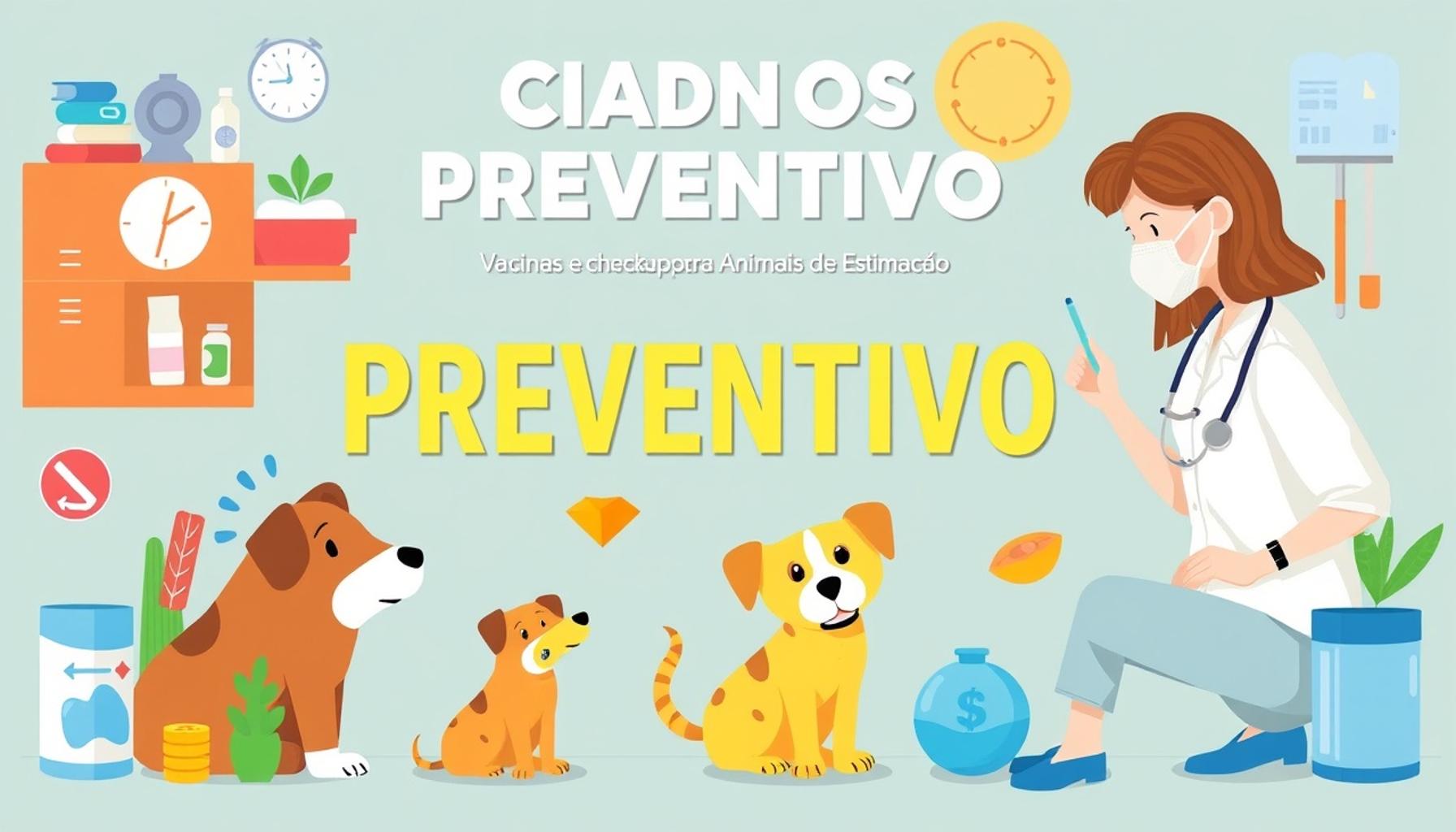
The Significance of Preventive Health Care for Pets
As a responsible pet owner, caring for your furry companion’s health should undoubtedly be a priority. Preventive care encompasses a range of practices designed to prevent diseases and detect potential health issues before they escalate. This proactive approach includes essential components such as vaccinations, regular check-ups, and lifestyle considerations that altogether contribute to your pet’s well-being and longevity.
Let’s delve deeper into the critical aspects of preventive care:
- Vaccinations: Vaccinations serve as a shield against several serious diseases. For example, the rabies vaccine is not only vital for your pet’s safety but is also legally mandated in many states. Other vaccines protect against illnesses such as parvovirus and distemper, which can be fatal. According to the American Animal Hospital Association, the risk of these diseases is significantly diminished in vaccinated pets.
- Regular check-ups: Annual vet visits serve as a fundamental aspect of preventive care. During these check-ups, veterinarians conduct thorough examinations that can reveal underlying health issues, such as early signs of diabetes or kidney disease. By addressing problems early, treatment becomes less invasive and more effective, reassuring pet owners about their beloved companions’ health.
- Parasite control: Pets are often vulnerable to external parasites like fleas and ticks, and internal parasites such as worms. Failure to regularly administer preventive treatments can result in severe health issues, from allergic reactions to more serious infections. Regular treatments not only keep your pet comfortable but also protect your home environment from infestations.
- Dental care: Maintaining your pet’s oral health is crucial. Routine dental examinations can prevent serious conditions such as periodontal disease, which affects a startling 80% of dogs and 70% of cats by the age of three. Good dental hygiene can lead to better overall health, affecting everything from eating habits to the likelihood of heart disease.
In the United States, the importance of preventive care is underscored by compelling data from the American Veterinary Medical Association, which indicates that nearly 50% of pets are considered overweight or obese. This alarming statistic highlights the necessity of regular health check-ups to monitor your pet’s weight and assess their dietary needs. Implementing a tailored preventive care schedule, including consistent vaccinations and check-ups, can help mitigate these risks and promote a healthy lifestyle.
As we continue to navigate the landscape of pet health, understanding the relationship between preventive care and your pet’s overall health becomes increasingly vital. By making informed decisions and prioritizing preventive measures, you nurture the bond with your beloved companion, ensuring they can thrive and enjoy a full, vibrant life.
Understanding Vaccinations in Pet Health
Vaccinations are an integral aspect of preventive care that serves as a fortress against a myriad of infectious diseases. When a pet receives a vaccine, it is introduced to a harmless version or component of a pathogen, allowing the immune system to build a defense without causing illness. This process equips pets with the ability to combat real infections more effectively when they encounter them in the environment.
According to the American Animal Hospital Association, several core vaccines are recommended for pets, including:
- Rabies: A critical vaccine that protects against the rabies virus, which is often fatal once symptoms appear. This vaccination is not only essential for the health of your pet but also mandatory by law in many regions.
- Distemper: This highly contagious viral infection affects respiratory, gastrointestinal, and nervous systems, and can be fatal. Vaccination is key in preventing outbreaks, especially in high-density areas.
- Parvovirus: Particularly devastating for puppies, parvovirus can lead to severe gastrointestinal illness and has a high mortality rate without treatment. The vaccine dramatically reduces the risk of infection.
- Feline Leukemia (FeLV): For cat owners, this vaccine is integral in protecting against a virus that can lead to cancer and other serious health complications.
What makes vaccinations particularly significant is their role in community health. When a high percentage of a pet population is vaccinated, a state known as herd immunity is achieved, significantly reducing the likelihood of disease outbreaks. This concept not only protects individual pets but also shields vulnerable animals that cannot be vaccinated due to health conditions.
The Importance of Regular Veterinary Check-Ups
Regular veterinary check-ups complement the efforts of vaccination by providing a thorough opportunity to evaluate your pet’s overall health. During these visits, veterinarians conduct comprehensive physical examinations, which include assessing weight, dental health, and organ functions. Early detection of abnormalities can considerably enhance treatment outcomes.
The American Veterinary Medical Association recommends that pets receive at least one comprehensive check-up annually, adjusting the frequency based on the pet’s age, health status, and lifestyle. These examinations often involve:
- Weight Monitoring: Keeping an eye on your pet’s weight helps to prevent obesity-related diseases, such as diabetes and heart conditions.
- Blood Tests: Routine blood work can identify potential issues with kidney function, liver enzymes, and blood cell counts, leading to early intervention.
- Parasite Screening: Regular check-ups allow your vet to test and manage parasites in your pet’s system, ensuring a higher quality of life and preventing the spread of infestations.
By committing to a routine of vaccinations and check-ups, pet owners not only take proactive steps toward enhancing their companion’s health but also cultivate a lifestyle that promotes longevity and happiness. Every pet owner has the power to serve as a guardian of their pet’s health, ensuring they live a full and vibrant life.
| Category | Details |
|---|---|
| Vaccination | Vaccines protect pets against serious diseases, reducing incidence and severity. |
| Regular Check-ups | Routine vet visits can catch health issues early, providing timely interventions. |
Preventive care, especially through vaccinations and regular check-ups, is essential for your pets’ long-term well-being. Vaccination programs are designed to equip your pets with immunity against potential threats, such as rabies, distemper, and parvovirus. Notably, the American Veterinary Medical Association emphasizes that staying up-to-date with vaccines can dramatically reduce the risk of infectious diseases in pets. Additionally, regular check-ups offer invaluable insights into your pet’s health. These visits allow veterinarians to monitor your pet’s growth, dental health, and overall condition while detecting early signs of health problems, such as obesity or arthritis. Moreover, a proactive approach can ensure your furry friend remains active and vibrant for years to come. Emphasizing preventive care not only promotes a healthier life for your pet but also can ultimately reduce long-term veterinary costs.
Additional Preventive Health Measures for Your Pets
While vaccinations and regular veterinary check-ups form the foundation of preventive care, numerous other health measures can enhance your pet’s well-being. Maintaining a holistic approach is essential for safeguarding their health against a wide range of threats. By intertwining various preventive strategies, pet owners can significantly reduce the likelihood of severe health issues.
Dental Care is often overlooked but plays a significant role in a pet’s overall health. According to a study conducted by the American Veterinary Dental College, an estimated 80% of dogs and 70% of cats show signs of dental disease by age three. Regular dental cleanings, along with at-home dental hygiene routines—such as brushing teeth or using dental chews—can prevent periodontal disease and its associated complications.
Nutrition and Diet are also vital aspects of preventive care. A balanced diet tailored to your pet’s specific needs can help prevent obesity, diabetes, and other chronic diseases. Pet owners should consult with their veterinarian to determine the best dietary plan that considers their animal’s age, breed, weight, and health status. Additionally, regular monitoring of your pet’s food intake can aid in weight management, contributing to a reduced risk of secondary health issues.
Preventive Medications play an important role, particularly in the fight against parasites such as fleas, ticks, and heartworms. The Centers for Disease Control and Prevention (CDC) identifies heartworm disease as a serious and potentially fatal condition for pets that can be largely prevented through monthly medications. It is crucial to discuss with your veterinarian the best options available based on your pet’s lifestyle and geographical location.
Additionally, maintaining a healthy environment for your pets is crucial. This encompasses both physical and mental well-being. Providing a safe, stimulating environment can reduce the chances of accidents and injuries. Proper exercise, whether through daily walks or engaging playtime, contributes to physical health and mental stimulation, helping to avert behavioral issues and anxiety-related disorders.
Behavioral Check-Ups should not be overlooked either. Changes in your pet’s behavior can signal underlying health issues. Regular assessments that focus on behavioral patterns can help identify anxiety, stress, or potential health problems early on. Engaging a professional for behavioral evaluations can be an integral part of your pet’s preventive care routine.
Moreover, it’s essential to stay informed about regional health advisories. Certain areas may have specific outbreaks or health concerns affecting pets. Signing up for notifications from local animal hospitals or veterinary organizations can help pet owners stay updated on the most relevant preventive measures, ensuring they are always ahead of potential threats.
Incorporating these diverse aspects into a preventive care routine ensures that your furry companions not only thrive but do so within a safeguarded environment. With every cat and dog deserving the best possible start and ongoing support in their health journey, these preventive measures create an empowering narrative—a proactive approach to their care.
Conclusion
In the journey of pet ownership, embracing preventive care through vaccinations and regular check-ups is not merely a recommendation; it is a vital commitment to ensuring a long, healthy life for your cherished companions. Studying the diverse preventive measures explored—ranging from dental care to proper nutrition, targeted preventive medications, and a stimulating environment—reveals a comprehensive strategy that empowers pet owners to take proactive steps against health issues.
While vaccines and check-ups lay the groundwork for safeguarding your pet’s health, integrating these additional measures can significantly enhance their quality of life. Regular evaluations of behavioral patterns can often catch early signs of distress or illness, allowing for prompt interventions. Moreover, understanding your local health landscape equips you with the knowledge to adapt your care to address specific regional threats, making you an informed advocate for your pet’s well-being.
As responsible pet owners in the United States, it is essential to prioritize these preventive actions. By fostering a healthy lifestyle—while being attentive to your pet’s unique needs—you not only contribute to their longevity but also enrich the bond you share. Ultimately, preventive care heralds a transformative approach to pet care, one that champions health, happiness, and harmony between humans and their beloved animals.