The Impact of the Environment on Pet Behavior: How the Home Influences Personality
Understanding the Home Environment’s Impact on Pets
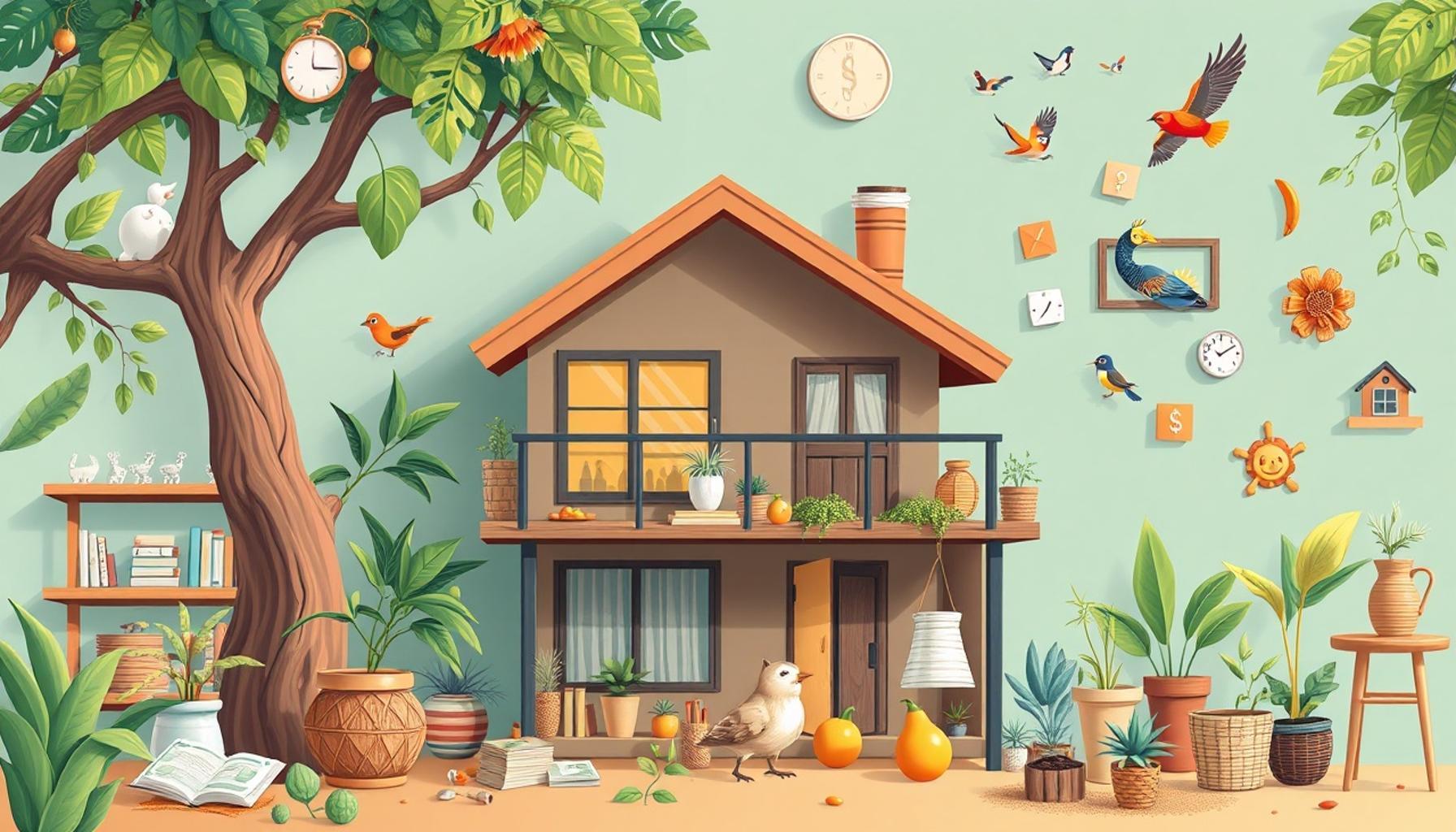
When considering the well-being of our beloved pets, it’s essential to recognize that their environment acts as a significant influencer on their behavior and overall personality. The home is not just a shelter; rather, it serves as a playground, a sanctuary, and even a training ground for pets. Therefore, understanding how different environmental factors play a role can be key for every pet owner looking to create a happy, fulfilling life for their furry companions.
Key aspects of the home environment include:
- Space availability: A spacious living area allows pets, particularly dogs, to play and explore freely, enhancing their confidence and physical health. For example, a large backyard can provide ample opportunities for a dog to engage in natural behaviors like running and playing fetch, which are crucial for their mental and physical stimulation. In contrast, small living spaces or apartments may require more creative enrichment strategies, such as interactive toys or regular outdoor excursions.
- Noise levels: The ambient noise level in a household can greatly affect a pet’s mood. Loud or unpredictable sounds, such as construction work or fireworks, can generate anxiety and stress in pets. Studies have indicated that pets living in quieter environments tend to exhibit more relaxed behavior patterns. If noise is unavoidable, utilizing calming products, such as sound machines designed for pets, may help create a more serene atmosphere.
- Social interactions: The dynamics of a household also play a crucial role. The presence and interaction of family members—whether it be children, adults, or other pets—can either foster positive behaviors or lead to stress. A supportive and nurturing family environment encourages healthy social development in pets. Conversely, frequent conflicts or environmental stressors can lead pets to develop behavioral issues, such as aggression or withdrawal.
Research continues to underscore how factors such as layout, decor, and even scent influence a pet’s mood and actions. For instance, a cluttered living space may not only discomfort pets but can also exacerbate anxiety or lead to behavioral issues such as aggression or fearfulness. Organizing and decluttering one’s living space can create a more calming environment for pets.
Moreover, the daily routines established by pet owners—such as consistent feeding times, regular walks, and designated play sessions—significantly shape pets’ personalities. Routines help create a sense of security and predictability, essential for building trust and a strong bond between the owner and their pet.
In this exploration, we will delve deeper into the nuanced ways in which the home environment affects pet behavior. With valuable insights and practical tips, our discussion will equip you with the knowledge to enhance your pet’s well-being and cultivate a closer relationship with your furry friend. Emphasizing the importance of a thoughtful approach to your home environment can contribute significantly to a pet’s happiness, making for a harmonious household where both pets and owners thrive.
The Role of Physical Space in Shaping Pet Behavior
The physical space in which a pet lives is one of the most significant factors affecting their behavior and personalities. Whether you’re considering the size of an apartment for a big dog or the layout of your home for multi-pet households, it’s crucial to tailor the environment to meet their needs. A thoughtfully designed space can promote positive behavior, while a mismatched environment could lead to stress or behavioral issues.
Here are some key elements of physical space that can influence pet behavior:
- Room for Movement: Pets, especially dogs, thrive when there is enough space to roam and play. A large home or yard enables them to engage in natural behaviors like running and exploring. Homes that lack adequate space may lead pets to feel confined, resulting in restlessness or behavioral problems.
- Safe Zones: Creating designated areas where pets can retreat when feeling overwhelmed is essential. This could mean a cozy corner filled with pet beds or a quiet room where they can escape the hustle and bustle of daily household activities. Such safe spaces empower pets to manage their stress and anxiety.
- Accessibility to Resources: The layout of a home can directly impact a pet’s ability to access important resources, such as food, water, and litter boxes for cats. Keeping these items easily accessible allows for a routine that supports a pet’s natural instincts and behaviors, providing them with the confidence to thrive in their environment.
- Environmental Enrichment: Incorporating stimulating elements such as scratching posts, interactive toys, and climbing structures for cats can occupy your pet’s mind and reduce boredom-related issues. Environmental enrichment is vital to preventing behavioral problems and promoting a pet’s mental well-being.
Furthermore, the presence of various materials like rugs, carpet, and hardwood floors can have subtle effects on behavior. For example, some pets exhibit playful tendencies on soft surfaces, while others may prefer harder surfaces for running. Understanding these preferences can help pet owners create a more tailored environment for their furry friends.
The Influence of Home Aesthetics on Pet Behavior
The aesthetics of a home, including decorations and furniture choices, also play a role in a pet’s comfort level and behavior. Overly cluttered spaces can be overwhelming and potentially dangerous for pets, leading to anxiety or curiosity-driven mischief. An organized, visually pleasing environment can foster a calmer atmosphere for both pets and their owners.
Moreover, the colors and textures used in home décor can influence mood. Soft, muted colors may create a tranquil setting, while bright, bold designs could invigorate energy levels. Choosing calming colors such as blues and greens may help pets feel secure and relaxed within their space.
In essence, the physical and aesthetic elements of the home directly correlate with pet behavior. By carefully considering how these aspects interact with a pet’s wellbeing, owners can foster environments that not only enhance happiness but also mitigate potential behavioral issues. The interplay between the home environment and pets culminates in a harmonious living experience, making it evident that a few thoughtful changes can lead to significant improvements in a pet’s demeanor.
| Environmental Factors | Impact on Pets |
|---|---|
| Noise Levels | High noise can lead to increased anxiety in pets, exhibiting behaviors such as barking or hiding. |
| Space Availability | A spacious home allows pets to explore and exercise, promoting overall health and reducing stress. |
| Indoor Plants | Certain plants can create a calming atmosphere, positively influencing a pet’s mood and reducing aggression. |
| Routine and Structure | A consistent routine provides security to pets, enhancing their behavioral stability and sociability. |
The environment in which pets are raised significantly shapes their personalities. Ensuring a safe and stimulating environment is crucial for developing well-adjusted pets. Elements like noise levels, space, indoor plants, and daily routines play pivotal roles in influencing behaviors ranging from anxiety to aggression. In a quieter home, pets are more inclined to feel secure, fostering playful and sociable behaviors. Moreover, spacious living areas encourage exercise and engagement, greatly benefiting physical and mental health. Additionally, exposing pets to nature indoors can create a serene ambiance, potentially reducing stress. Therefore, pet owners must recognize that their home dynamics directly correlate with their furry friends’ temperament, undoubtedly impacting the bond they share. Understanding these relationships invites further exploration into how environmental modifications can lead to improved pet welfare.
The Importance of Social Interaction and Environmental Dynamics
In addition to physical space and aesthetics, social interaction within a pet’s environment can significantly influence their behavior and overall personality. Pets, particularly dogs and cats, are inherently social beings that thrive on companionship and social engagement. The dynamics of human interactions, as well as their relation to other pets in the household, play a crucial role in forming their behavior patterns.
Key factors of social interaction that impact pet behavior include:
- Human-Pet Bond: The quality of the bond between pets and their owners directly shapes their emotional well-being. Engaging in regular positive interactions, such as playtime, training, and affection, fosters trust and reduces anxiety in pets. A strong human-pet bond encourages pets to express their personalities more freely and engage in social activities with confidence.
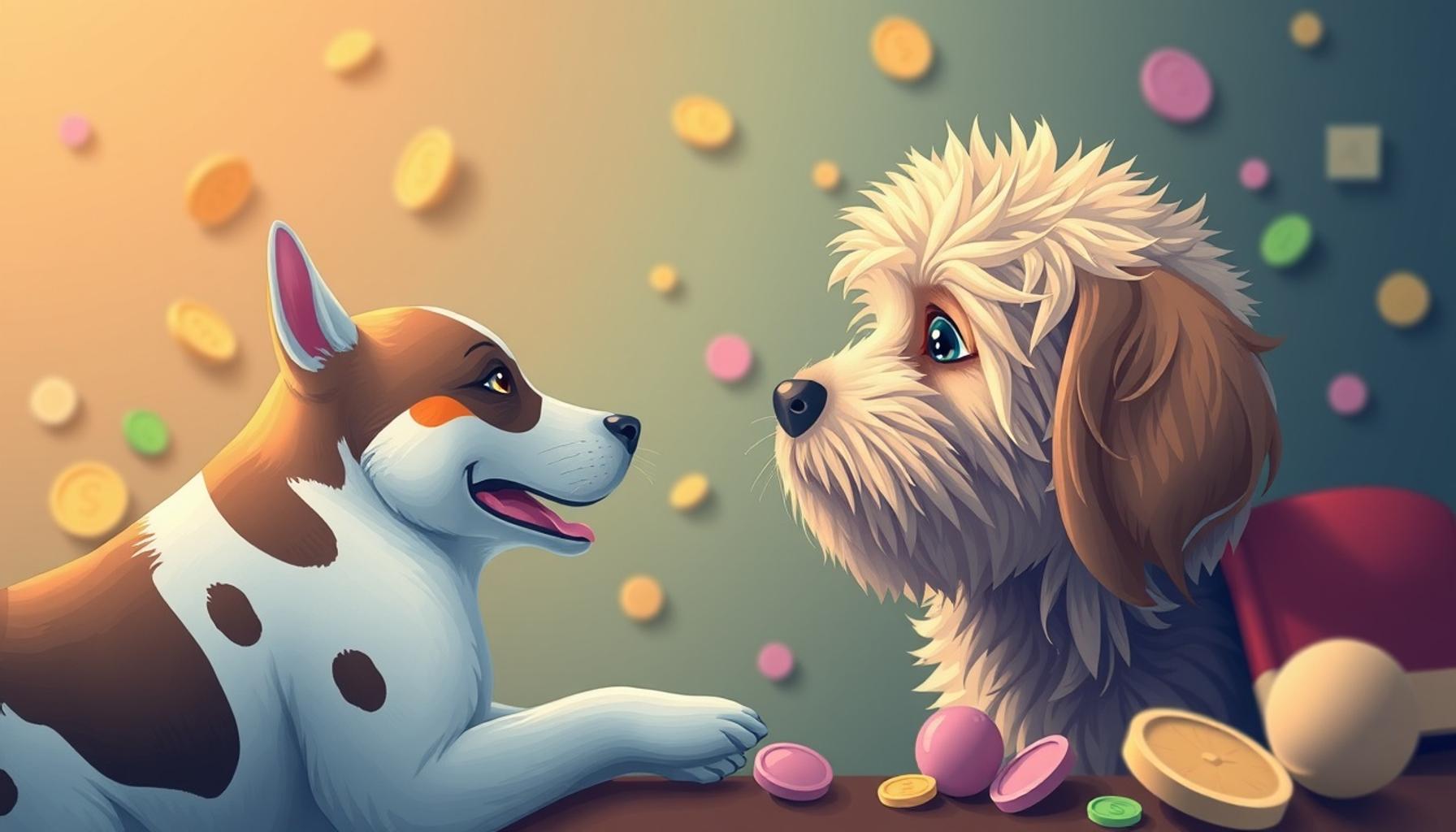
- Multi-Pet Households: When multiple pets share a living space, their interactions can have profound implications on their social development and behavior. Positive relationships among pets can lead to enriched social experiences and reduced behavioral issues such as territorial aggression or anxiety. However, conflict or competition for resources can create a stressful environment, leading to fear-based behaviors or increased anxiety among pets.
- Guest Interactions: The presence of guests in a home can also impact a pet’s behavior. Some pets may thrive on the extra stimulation and attention that visitors bring, while others may feel threatened or anxious. It is vital to manage these interactions carefully, allowing pets to acclimate to new individuals gradually, which can help mitigate stress-related behaviors.
Moreover, the role of environmental stimuli, such as sounds and smells, further influences behavior. Pets are sensitive to their surroundings; a home bustling with activity or filled with loud noises may cause anxiety. Conversely, a quiet environment can promote relaxation and peace. For instance, adopting calming background sounds, such as soft music or nature sounds, can convert a chaotic home into a refuge for pets, encouraging them to explore their personalities without pressure.
Routine and Consistency: Pillars of a Stable Environment
Another critical aspect of a pet’s environment is the routine and consistency established by their owners. Animals, particularly dogs, thrive on predictability. A structured daily routine regarding feeding, walking, and playtime contributes to a pet’s sense of security. Inconsistent schedules can leave pets feeling confused and anxious.
This need for structure is particularly evident in dog breeds known for their high energy levels, such as Border Collies or Labrador Retrievers. A lack of routine can result in behavioral issues, including destructive chewing or excessive barking. By providing regular schedules, owners can foster an environment where pets feel safe and secure, allowing them to express their natural behaviors and personalities without fear of uncertainty.
Combining structured routines with the right social interactions creates an ideal environment for pets. The right balance promotes not just stable behavior but develops their emotional intelligence. Continued research emphasizes that understanding the nuances of how human interaction, sound, movement, and even routine contribute to a pet’s behavior can help owners create nurturing environments that encourage well-rounded personalities.
Your home is more than just a living space for your pets; it is a complex ecosystem where every aspect—from physical layout to social interactions—works in tandem to shape their personality and behavior.
Conclusion
Understanding the impact of the environment on pet behavior is critical for any pet owner looking to nurture a well-adjusted companion. The complex interplay of social interactions, physical surroundings, and consistent routines creates a nuanced landscape that shapes your pet’s personality. By providing a stable, loving, and enriched environment, you not only enhance your pet’s emotional well-being but also help them develop positive behaviors.
The environment acts as a mirror, reflecting your pet’s experiences and relationships. From the bond you share to the dynamic created by multi-pet households, every aspect plays a significant role in their behavioral patterns. Additionally, understanding how stimulating or calming stimuli affect your pet’s behavior can lead to effective adjustments in your home that promote a peaceful existence.
As pet owners, it is essential to recognize that small changes in the way we interact, and the environment we cultivate can yield profound outcomes for our furry friends. Investing time in structured routines and positive social encounters fosters secure and happy pets, empowering them to fully express their unique personalities. By prioritizing their environmental needs, you pave the way for a harmonious relationship that can flourish over the years.
Ultimately, the goal is to create a home that not only accommodates your pet’s physical needs but also nurtures their emotional and social growth. As you continue to explore the multiple dimensions that contribute to your pet’s behavior, consider how your role as an owner directly influences their experience and well-being. A superior understanding of this relationship will undoubtedly lead to a happier, more fulfilling companionship.