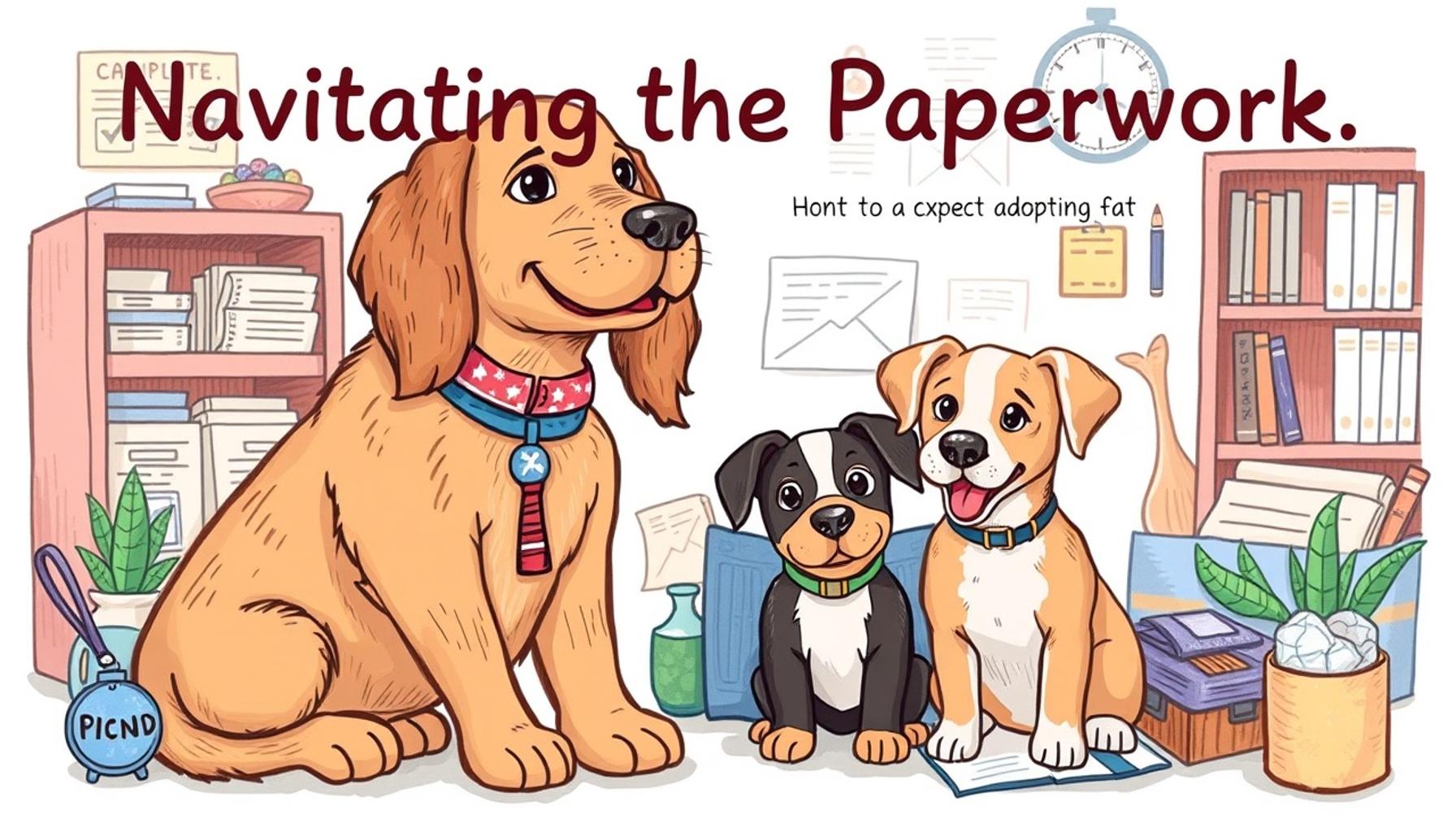
Navigating the Legalities: Understanding the Pet Adoption Process

Understanding Adoption Requirements
One of the first steps in the pet adoption process is meeting the adoption requirements set forth by shelters and rescue organizations. These can range from submitting an application form to undergoing a rigorous interview process. For example, many facilities seek to ensure that potential adopters can provide a stable and loving environment, leading them to conduct home visits. This not only ensures compliance with their adoption standards but also allows the organization to provide guidance on pet care tailored to the specific living situation of the adopter.
Evaluating Fees and Costs
While the joy of welcoming a pet into your home is incomparable, it’s important to prepare for the fees and costs associated with adoption. Typically, adoption fees can range anywhere from $50 to $200 and may often include crucial veterinary services such as vaccinations, spaying or neutering, and even microchipping. For instance, the Humane Society often outlines that these fees help cover the costs of caring for animals while they are in the shelter and contribute to the organization’s welfare efforts. Prospective pet owners should also prepare for ongoing expenses, including food, grooming, and regular veterinary visits.
Understanding Legal Contracts
Another vital component is the signing of legal contracts upon adopting a pet. These documents are designed to protect the welfare of the animal and clearly outline the responsibilities of the adopter. Generally, such contracts specify the importance of providing proper care, limiting certain activities like breeding, and stipulating return policies should circumstances change. For example, some organizations require that if you are unable to keep your pet, you return it to them rather than surrendering it to another shelter or abandoning it. This ensures that the animal is placed back into a secure environment.
Navigating State Laws
The intricacies of the adoption process can also vary widely due to state laws. These laws may dictate everything from the types of pets available for adoption to regulations surrounding pet ownership. In California, for instance, there are strict laws that protect the welfare of animals and include requirements for ethical breeding practices. Familiarizing yourself with local ordinances and regulations can not only smooth the adoption process but also aid in responsible pet ownership.
Conclusion
By understanding these critical aspects of the pet adoption process, prospective pet owners can transition into their new role with greater confidence and preparedness. Each point discussed plays a pivotal role in not just securing a new furry companion, but also ensuring that both the pet and owner thrive together in a loving environment. Ultimately, a well-informed approach to adoption fosters a positive experience, paving the way for countless cherished moments.
Guidelines for Safe and Responsible Pet Ownership
As you embark on the journey of pet adoption, it is essential to understand the guidelines that serve to promote the well-being of both the animal and the adopter. The adoption process is not just about finding a furry companion; it also involves ensuring that you are equipped with the knowledge and resources necessary for responsible pet ownership. Many shelters and rescue organizations take this seriously and provide educational resources and guidance to support new pet owners.
Preparing for Your New Companion
Before bringing your new pet home, it’s crucial to prepare your living space. Here are some practical steps you can take:
- Pet-Proof Your Home: Remove any hazardous items, such as small objects that could be swallowed, electrical cords, and toxic plants.
- Set Up a Safe Space: Designate an area in your home where your pet can feel safe and comfortable as they adjust to their new surroundings.
- Gather Supplies: Purchase essential items, including food and water bowls, a bed, toys, and grooming supplies.
- Research Veterinary Options: Find a reputable veterinarian in your area to ensure your pet receives regular check-ups and vaccinations.
Understanding Adoption Processes and Policies
Each shelter or adoption organization may have its own unique adoption processes and policies. For instance, some may prefer that you adopt a pet from their premises, while others might allow online applications and virtual meet-and-greets. It’s important to thoroughly read their guidelines to prevent any confusion or delays in the adoption process. Common steps generally include:
- Completing an application form.
- Participating in an interview that assesses your lifestyle, preferences, and readiness for pet ownership.
- Undergoing a home visit to assess your living conditions.
- Signing a contract upon adoption that outlines your responsibilities.
Post-Adoption Responsibilities
After successfully adopting a pet, the responsibilities do not end with just bringing them home. Adopters should reaffirm their commitment by:
- Maintaining Regular Veterinary Care: Schedule routine check-ups and vaccinations to keep your pet healthy.
- Providing a Balanced Diet: Invest in quality pet food and understand your pet’s dietary needs based on their age, size, and health condition.
- Facilitating Socialization: Engage your pet with other animals and people to foster good behavior and reduce anxiety.
- Be Prepared for Training: Consider enrolling your new pet in training classes to establish good manners and solid communication between you and your pet.
By understanding these critical guidelines, prospective pet owners not only enhance their capability to provide a loving home but also contribute positively to the animal welfare community. The dedication to following through with these guidelines is what transforms the adoption of a pet into a successful, long-term companionship.
| Advantage | Details |
|---|---|
| Legal Protection | Understanding the legalities provides pet adopters with insights into their rights and responsibilities, reducing the risk of potential disputes. |
| Informed Decisions | Knowledge of local laws ensures adopters can make responsible choices, such as understanding breed restrictions or licensing requirements. |
Navigating the legalities of the pet adoption process is crucial for ensuring a smooth transition for both the pet and the adopter. Familiarizing oneself with the various regulations can offer significant benefits, such as enhancing the relationship with your new companion and abiding by community rules. For instance, many states have specific statutes regarding pet ownership that can affect everything from adoption fees to vaccination requirements. It’s essential to research organizations that assist in the pet adoption process, as they may provide clarity on local laws and offer support throughout the journey. Moreover, understanding the different types of adoption agreements can empower potential pet owners, giving them confidence as they embark on this rewarding experience. With the right information at hand, individuals can embrace the journey of pet adoption fully, knowing they are equipped to handle the responsibilities that lie ahead.
Legal Considerations When Adopting a Pet
When navigating the legalities of pet adoption, understanding the various regulations that govern the process is crucial. While the joy of welcoming a new pet into your home is immense, there are important legal aspects that can’t be overlooked. Familiarizing yourself with these will help you ensure a smooth adoption experience.
Adoption Contracts and Agreements
One of the first legal documents you will encounter in the adoption process is the adoption contract. This contract, signed at the time of adoption, typically contains essential information regarding your responsibilities as a pet owner. Key elements often include:
- Spay/Neuter Agreements: Many shelters require the pet to be spayed or neutered as a condition of adoption.
- Return Policies: Should you find yourself unable to care for your new pet, the contract usually stipulates that you must return the animal to the shelter or rescue organization rather than resorting to abandonment.
- Fees and Donations: Most organizations charge an adoption fee that often contributes to the care and shelter of animals in need. Reading and understanding this fee structure can avoid later disputes.
Local Laws and Regulations
Beyond the adoption contract, new pet owners must comply with state and local laws that apply to pet ownership. These can vary significantly based on your location. For example:
- Licensing Requirements: Many states require pet owners to register their animals with local authorities, which often involves paying a nominal fee. Failing to register your dog or cat can lead to fines.
- Leash Laws: Certain municipalities have leash laws that dictate when and how pets must be restrained in public spaces. Familiarize yourself with these regulations to avoid potential legal repercussions.
- Breed-Specific Legislation: Some regions have restrictions on specific breeds deemed dangerous, which may affect your choice of pet. Researching these laws can prevent future difficulties.
Health and Safety Regulations
In addition to legal and regulatory matters, pet owners should be aware of health and safety standards intended to protect both pets and the public. This includes:
- Vaccination Requirements: Many states have laws requiring dogs and cats to undergo vaccinations for rabies and other communicable diseases. Consult your veterinarian to ensure compliance.
- Microchipping: Although not mandatory in all areas, microchipping your pet provides a permanent form of identification. Many shelters offer microchip services during the adoption process, which can be a valuable legal safeguard.
Understanding the legal framework surrounding pet adoption creates a foundation for responsible pet ownership. By paying attention to these legalities, prospective adopters can not only enhance their experience but also contribute to a more responsible and well-regulated pet community. Remember that adhering to these guidelines ensures your new companion enjoys a safe and happy life while fostering a long-lasting bond between you and your beloved pet.
Conclusion: Embracing Responsibility in Pet Adoption
Navigating the complexities of the pet adoption process is a journey marked by excitement and responsibility. Understanding the legalities involved not only safeguards your new furry friend but also fosters a sense of community among pet owners. By familiarizing yourself with adoption contracts, local laws, and health regulations, you are setting a firm foundation for a harmonious pet-owner relationship.
As you prepare to welcome a pet into your home, remember that each adoption agreement carries significant weight. It reinforces your obligation to ensure the well-being of the animal you chose to rescue. Moreover, being compliant with local regulations, such as licensing and leash laws, ensures a safe environment for your pet and your community. Additionally, staying informed about health regulations like vaccinations and potential microchipping offers essential protection for both your new companion and the public at large.
Ultimately, understanding these legal frameworks empowers you as a pet owner and cultivates a safer world for all animals. The process of pet adoption is more than just a transaction; it’s about making a lifelong commitment to another living being. By acknowledging and acting on these legal responsibilities, you can enjoy a fulfilling companionship with your pet while contributing to a culture of responsible pet ownership. Explore your local regulations further, consult with adoption agencies, and primarily, approach this rewarding journey with the care and seriousness it deserves.