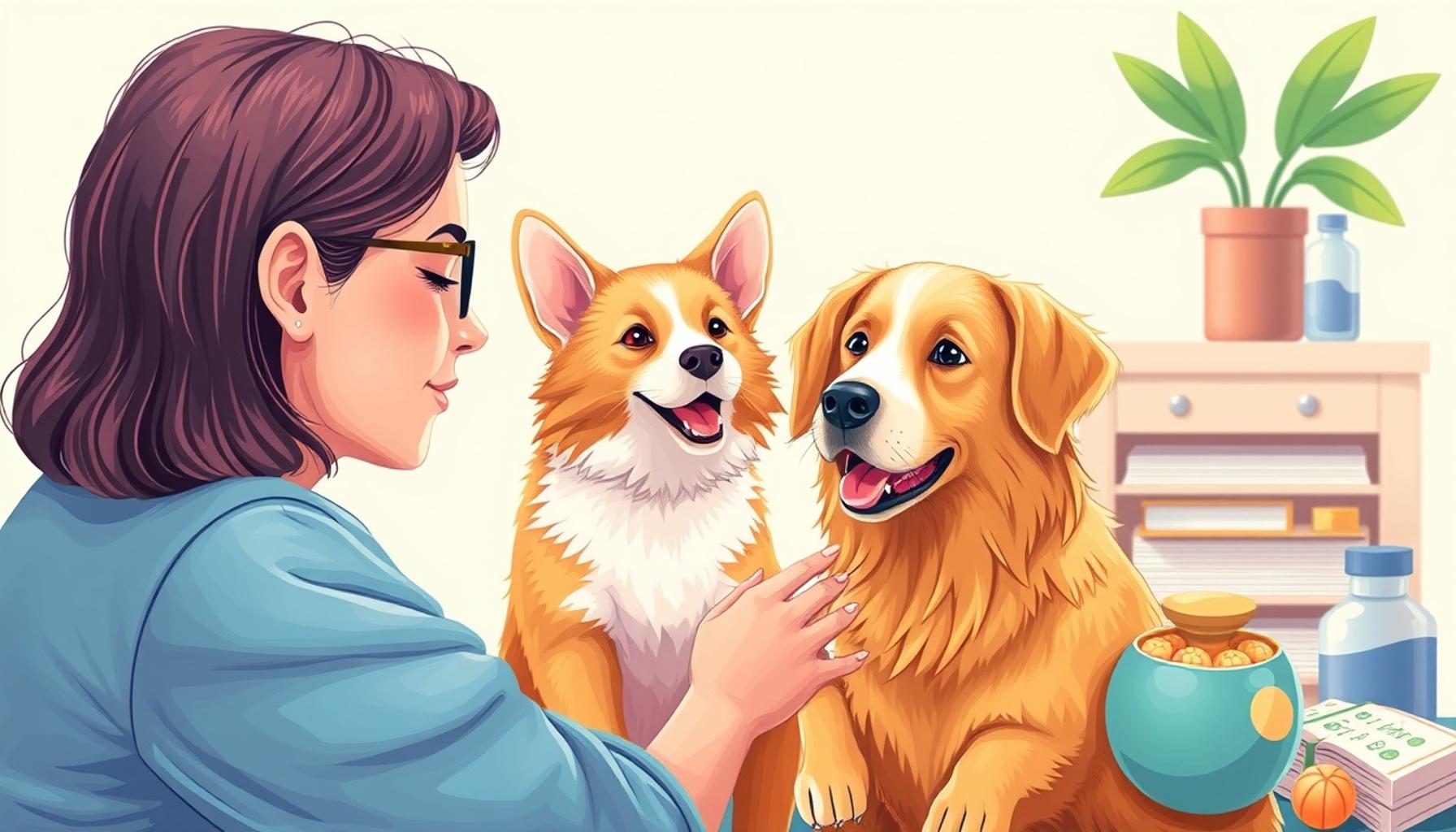
Demystifying Myths: What Really Happens After Adopting a Pet

The Realities of Pet Adoption
Many prospective pet owners envision adopting a furry friend as a seamless transition from loneliness to the joy of companionship. However, the truth may be far more complex than they anticipate. While the delightful moments of snuggles and playful antics do exist, the path to forging a lasting bond with a new pet can be riddled with unforeseen hurdles.
Before diving headfirst into this rewarding yet demanding responsibility, it’s essential to examine some prevalent myths surrounding pet adoption:
- Pets are an immediate source of happiness. The excitement of welcoming a new pet into your home can be overshadowed by an adjustment period. Pets often need time to acclimate to their new surroundings and can initially display anxiety or behavioral issues as they adapt.
- All pets are low-maintenance. Assumptions about pet care can be misleading. For instance, while some dog breeds, such as the Labrador Retriever, are known for their easy-going nature, others, like Border Collies, require significant physical and mental engagement. Similarly, the care needs of cats can vary widely, from the grooming requirements of long-haired breeds to the need for interactive play to keep them stimulated.
- Training is quick and easy. A common misconception is that training a pet is a simple task. On the contrary, effective training necessitates consistent effort, patience, and often the guidance of a professional trainer. Behavioral issues such as house training for dogs or litter box training for cats can take weeks, if not months, to master.
Understanding the realities post-adoption is crucial for everyone contemplating bringing a pet into their lives. Many new owners underestimate the significant commitment required to create a nurturing atmosphere. The journey after adoption often involves:
- Building trust with your new companion. Every animal has its unique history, and many pets may come from challenging backgrounds. Trust-building activities, such as gentle playing or calm interactions, can help ease their fears.
- Establishing routines to ensure proper care. Regular feeding, exercise, and vet visits need to become part of your daily routine. These practices not only ensure your pet’s physical well-being but also contribute to their emotional stability.
- Engaging in ongoing training and socialization. Opportunities for social interaction, whether with other pets or humans, can enhance your pet’s behavior. Regularly attending training classes or meet-ups can strengthen the bond between you and your pet, paving the way for companionship.
By peeling back the layers of these common misconceptions, potential pet owners can adequately prepare for the responsibilities that pet adoption entails. It’s a decision that transcends momentary affection; it’s about long-term commitment, responsibility, and transformation. Are you truly equipped to explore the profound implications of welcoming a pet into your home?
Understanding the Adjustment Period
One of the most surprising aspects of pet adoption is the adjustment period that follows bringing a new animal into your home. During this time, it’s essential to recognize that both you and your pet will be navigating new experiences together. Many first-time pet owners often underestimate the duration and intensity of this transitional phase.
When a pet enters a new environment, it can feel overwhelming for them. Dogs and cats alike need time to explore their surroundings, familiarize themselves with your household’s sounds and smells, and understand where they fit into your family dynamic. This acclimatization process can involve several stages, including:
- Initial Stress and Anxiety: Many pets arrive at shelters with a history of trauma or instability. Their past experiences can manifest as stress or anxiety in their new home. For instance, a previously neglected dog might become overly protective or nervous, hiding at the first sound of a doorbell.
- Gradual Exploration: Once a pet feels a little more secure, they will typically start exploring their environment. Cats might inspect every nook and cranny, while dogs may show curiosity about different rooms. Setting aside quiet time can help them feel more at ease.
- Forming Bonds: It can take days, weeks, or even months before a pet fully trusts their new owner. Engaging in interactive play, gentle training sessions, and even quiet companionship can help foster those crucial bonds of trust.
Addressing the emotional needs of a newly adopted pet is just as vital as meeting their physical needs. Patience is key during this time—experiencing a bit of behavioral regression, such as separation anxiety or occasional accidents in the house, is not uncommon. In fact, according to the ASPCA, around 30% of adopted pets initially struggle with behavioral issues that can diminish over time with proper training and understanding.
It’s also vital to remember that the adjustment phase is not an isolated experience. Just as pets need time to settle in, owners must also prepare themselves for changes in their daily routines. This includes recognizing the importance of:
- Regular Exercise: Daily walks, playtime, and mental stimulation are fundamental for a pet’s happiness and health. Understanding your pet’s breed-specific needs for physical activity can help in creating a balanced lifestyle.
- Consistent Feeding Schedules: Establishing regular feeding times is critical for a pet’s physical well-being and can help create a sense of stability in their new environment.
- Veterinary Care: Ensuring your new companion receives regular health check-ups is vital. Schedule an appointment soon after adoption to discuss vaccinations, spaying or neutering, and any pre-existing health concerns.
By acknowledging the realities of the adoption process, new pet owners can better equip themselves to handle the ups and downs of integrating a new pet into their lives. A thoughtful approach can lead to a positive and enriching relationship that’s built on trust, care, and unconditional love.
| Category | Details |
|---|---|
| Initial Adjustment | During the first weeks, pets may experience anxiety as they adapt to a new environment. |
| Bonding Process | Building a deep connection with your pet fosters mutual trust and affection, enhancing both lives. |
| Training Challenges | Proper training may require patience, but it significantly improves behavior and happiness. |
| Health Considerations | Regular veterinary visits are crucial to maintain your pet’s well-being and prevent diseases. |
Adopting a pet is not just an act of kindness but an *ongoing journey* filled with enriching experiences and challenges. Understanding these realities can effectively prepare potential pet owners for what lies ahead. Changes in the household dynamics often occur as pets learn their place within the family unit, leading to moments of joy and occasional frustration. Getting support from experienced pet owners or trainers can significantly smooth the transition phase.Moreover, adopting a pet can also result in *unexpected health benefits* for humans, including reduced stress and increased physical activity due to regular walks and playtime. Engaging with a spirited companion often leads to stronger emotional bonds and improved mental health. The adventure doesn’t stop here; each pet has unique needs and quirks, making them remarkable individuals that enrich our lives beyond measure.
Building a Routine for Success
Once the initial adjustment period is underway, establishing a routine is essential for both the new pet and the owner. A structured schedule not only helps pets feel secure but also minimizes stress and behavioral issues. Consistency can create a nurturing environment in which both parties can thrive. Understanding how to build this routine can play a pivotal role in enhancing the bond between you and your new companion.
For dogs, incorporating a regular schedule for walks, meals, and training can help them develop a sense of routine. Experts recommend that owners aim for at least 30 minutes of exercise daily for dogs, depending on their breed and energy level. For high-energy breeds like Border Collies or Labrador Retrievers, more extensive activities may be necessary. Conversely, older dogs or those with limiting conditions may require less intense workouts.
Cats, while more independent, also benefit from routine. Providing consistent feeding times and engaging in scheduled play sessions can help reduce behavioral issues stemming from boredom. Cats are known for their hunting instincts; therefore, interactive toys that stimulate their physical and mental faculties can keep them enriched and engaged.
Understanding Behavioral Changes
Adopting a pet can bring unexpected behavioral changes. For instance, many owners find that their new pet may display newfound energy levels or even anxiety in various situations. A survey from the Humane Society reveals that about 50% of newly adopted dogs show signs of behavioral shifts in their first few months of adoption. Recognizing these changes is critical to addressing them effectively.
One common challenge after adoption is managing separation anxiety. This condition often arises when pets are not used to being alone for extended periods. Signs include excessive barking, destructive chewing, or even hiding. Training techniques, such as gradually extending alone time and employing positive reinforcement for calm behavior, are often effective.
Another issue some pet parents may encounter is territorial aggression. Newly adopted dogs and cats may display defensive behaviors towards perceived intruders within their space, including other pets or unfamiliar visitors. Engaging in controlled introductions and providing safe zones within the home can help alleviate these tensions.
The Importance of Socialization
Socialization is frequently overlooked but remains a fundamental aspect of a pet’s adjustment. Early interactions in a safe and controlled environment can significantly influence a pet’s behavior as they grow. Owners should consider taking their dogs to obedience classes or parks where they can interact with other pets, learn proper social cues, and improve their confidence.
For cats, socializing can involve acclimating them to new sounds, people, and other animals gradually. Providing sanctuary spaces, such as cat trees or perches, can empower them to explore at their own pace. This gentle introduction minimizes stress and fosters adaptability, especially for cats who may come from a shelter or rescue environment.
By focusing on establishing routines, understanding behavioral changes, and emphasizing socialization, pet owners can lay a solid foundation for a healthy relationship that benefits both the pet and the entire family. These measures not only help enhance the overall experience of pet ownership but also challenge the myths that often obscure the realities of adopting a new family member. A well-informed owner is more likely to navigate the complexities of pet parenting successfully, ultimately leading to a harmonious household where love and comfort abound.
Conclusion: Embracing the Journey of Pet Adoption
In summary, adopting a pet is not merely a whim, but a profound commitment that can significantly alter the dynamics of your household. As we have discovered, the reality of pet ownership encompasses a blend of joy, responsibility, and unexpected challenges that often diverge from common myths. Understanding that routine, attention to behavioral changes, and a focus on socialization are paramount can pave the way for a fulfilling bond between pet and owner.
The transition to a new home is an essential period that shapes a pet’s emotional well-being and behavior. While it may initially present challenges such as anxiety or territorial issues, recognizing these signs early on allows owners to address them effectively, fostering a nurturing environment. Investing in acclimation routines and enriching activities strengthens the relationship and enriches both the pet’s life and yours.
This journey is not just about integrating a pet into your life; it’s an opportunity to learn patience, empathy, and unconditional love. Each adoption story is unique and filled with potential for growth. By embracing the realities of pet ownership, you can transform myths into understanding, leading to a harmonious coexistence filled with loyalty and companionship.
In shifting our perceptions about what happens after adoption, we can truly appreciate not just the responsibility of pet ownership, but the immeasurable rewards that come with welcoming a new furry friend into our lives. So, as you embark on or contemplate this journey, remember that the adventure is equally as important as the destination.